
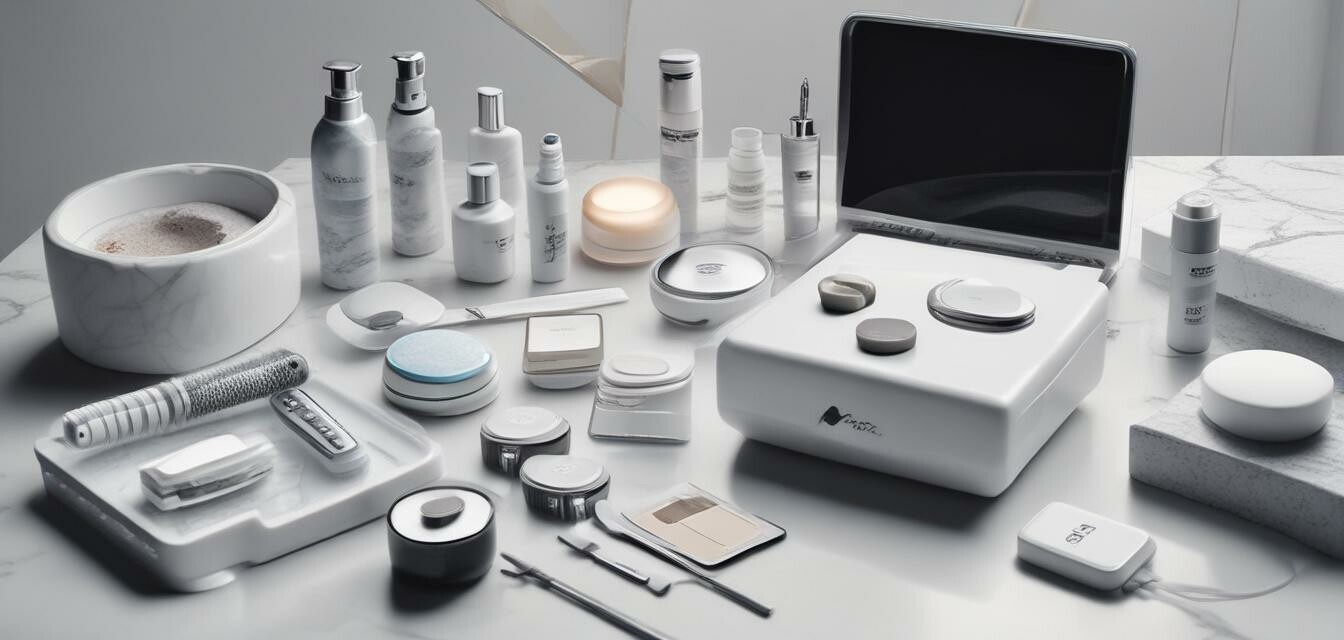
The Rise of At-Home Dermatology Tools
- At-home dermatology tools are becoming increasingly popular in modern skincare routines.
- These tools offer convenience and can be an effective complement to professional treatments.
- The selection of the right tools depends on individual skin types and needs.
- Safety and proper usage are crucial for optimal results.
- Staying informed about the latest trends in skincare can enhance your understanding and application of these tools.
The world of skincare is rapidly evolving, and the rise of at-home dermatology tools is just one of the significant trends shaping the beauty industry today. With dermatology tools that were once only available in clinics now accessible for personal use, people are empowered to take control of their skincare routines from the comfort of their homes.
Understanding at-home dermatology tools
At-home dermatology tools encompass a wide range of products designed to mimic professional dermatological treatments. Whether they involve LED therapy, microneedling, or chemical peels, these tools have revolutionized the way we approach skincare. They enable individuals to manage skin concerns such as acne, aging, and pigmentation without frequent trips to the dermatologist.
Effectiveness of at-home tools
While at-home dermatology tools can provide results, it's essential to understand their limitations compared to professional treatments. Factors such as skin type, the severity of the condition being treated, and user instruction play crucial roles in determining effectiveness. Many users find that these tools complement their existing skincare routines rather than replace professional advice.
Popular types of at-home dermatology tools
Here are some of the popular categories of at-home dermatology tools:
| Tool Type | Description | Common Uses |
|---|---|---|
| LED Masks | Devices that use different light wavelengths to target various skin issues. | Acne treatment, anti-aging, boosting collagen. |
| Microneedling Devices | Tools that create micro-injuries in the skin to promote healing and rejuvenation. | Scar reduction, improving texture, enhancing product absorption. |
| Facial Steamers | Devices that emit steam to open pores and cleanse the skin. | Deep cleansing, hydration, prepping skin for treatments. |
| Exfoliation Brushes | Electric brushes that provide deep exfoliation for smoother skin. | Removing dead skin, improving circulation. |
Choosing the right tools
When selecting at-home dermatology tools, consider the following:
- Skin type: Tools work differently based on skin types such as oily, dry, sensitive, or combination.
- Functionality: Choose tools that target specific concerns you wish to address.
- Safety: Research and ensure the tool is suitable for home use.
- Usage instructions: Follow guidelines carefully to avoid causing any harm to your skin.
Tips for beginners
- Start with basic tools to gauge how your skin reacts.
- Always patch test any new tool or product.
- Consult with a dermatologist before starting any new treatments.
- Be consistent with usage but don’t overdo it.
- Keep your tools clean and well-maintained for the best results.
Staying informed on trends
As skincare technology continues to advance, staying updated on trends in skincare helps you make informed decisions about the tools and techniques that may suit your routine. Regularly revisiting the latest innovations and user feedback can enhance your skincare journey.
Pros and cons of at-home dermatology tools
Pros
- Convenience of treatment at home.
- Potential cost savings over time.
- Wide variety of tools available for different skin concerns.
- Empowerment to manage personal skincare.
Cons
- Possible risk of misuse or injury if not used correctly.
- Results may vary and are typically less dramatic compared to professional treatments.
- Need for consistent use over time for noticeable effects.
- Limited guidance without professional oversight.
In summary, the rise of at-home dermatology tools presents exciting opportunities for individuals to take charge of their skincare regimens. By understanding the effectiveness, choosing the right tools, and staying informed about trends, you can enhance your skincare journey and achieve a healthy glow right from home.
For more expert advice on skincare tools and techniques, you can check out our buying guides, and discover the best practices to improve your skin health.