Nail disorders
- Nail disorders can indicate underlying health issues.
- Early diagnosis and treatment can prevent further complications.
- Common types of nail disorders include fungal infections, ingrown nails, and nail psoriasis.
- A variety of treatments are available, ranging from topical solutions to systemic medications.
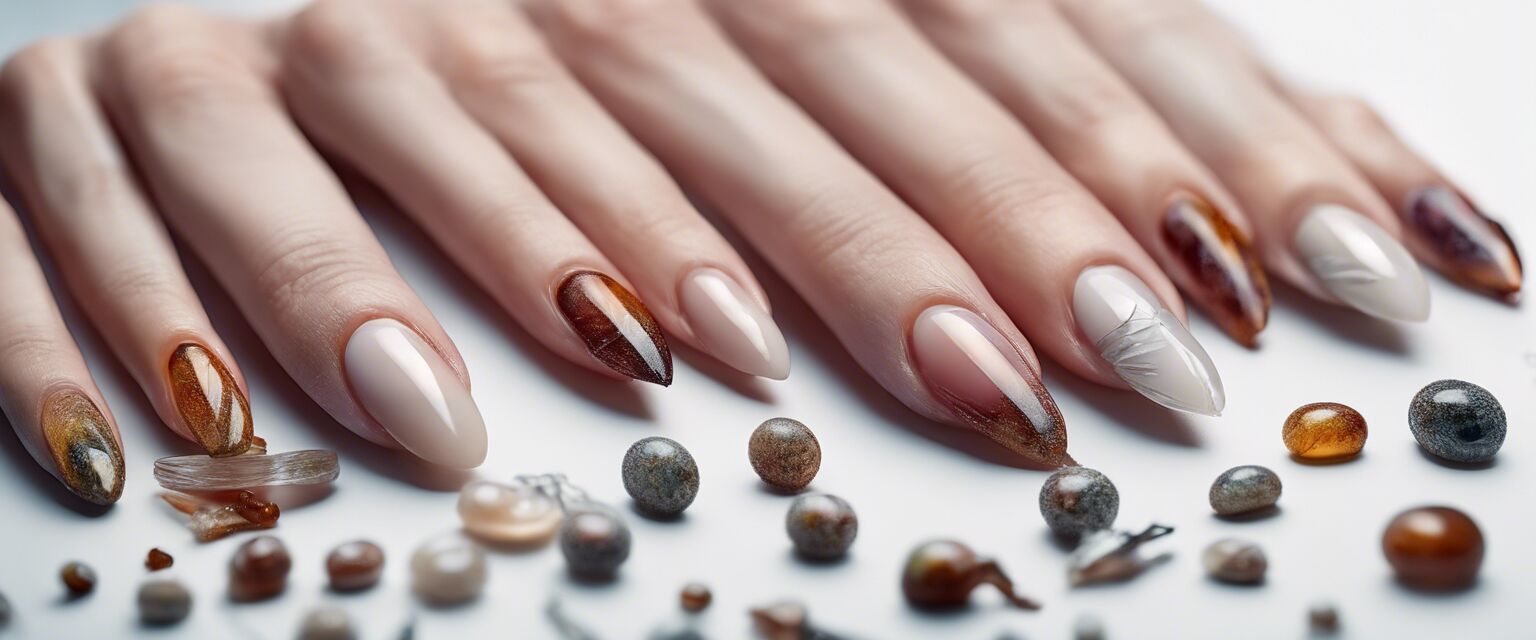
Nail disorders can affect individuals of all ages, and they may indicate underlying health problems or hygiene issues. Understanding the various types of nail disorders and their treatments is essential for maintaining healthy nails. In this article, we delve into common nail disorders, their symptoms, and potential treatments.
Common types of nail disorders
There are several types of nail disorders that are frequently encountered. Below, we provide an overview of some of the most common nail disorders:
| Nail Disorder | Symptoms | Treatment Options |
|---|---|---|
| Fungal Nail Infection | Discolored, thickened, or brittle nails | Topical antifungal solutions, oral antifungal medications |
| Ingrown Toenails | Pain, redness, swelling around the nail | Soaking, proper nail trimming, possible surgical intervention |
| Nail Psoriasis | Discoloration, pitting, and ridges on the nail | Topical treatments, phototherapy, systemic medications |
| Onycholysis | Separation of the nail from the nail bed | Identifying and addressing the underlying cause |
| Nail Trauma | Bruising, pain, or loss of the nail | Rest, protective dressing, and possibly surgical intervention |
Fungal nail infections
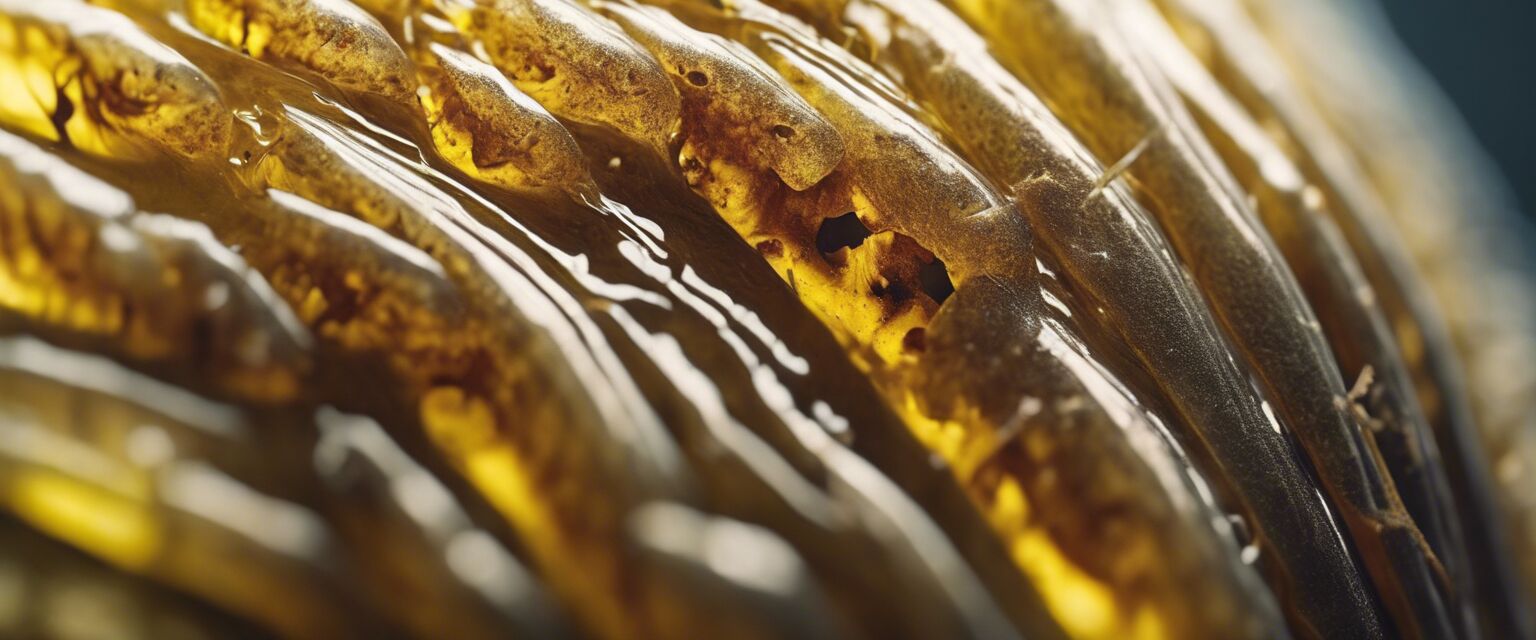
Fungal nail infections are caused by various fungi, including dermatophytes and yeasts. These infections can lead to nail discoloration, thickening, and brittleness. In some cases, the nail may crumble or fall off.
Ingrown toenails
Ingrown toenails occur when the corners or edges of a nail grow into the surrounding skin, often causing pain, redness, and swelling. This condition can be triggered by improper nail trimming, tight footwear, or injury.
Nail psoriasis
Nail psoriasis is often associated with skin psoriasis and can cause pitting, ridges, and discoloration. Treatment focuses on managing the psoriasis with topical treatments, phototherapy, or systemic medications.
Onycholysis
Onycholysis refers to the separation of the nail from the nail bed. This condition can occur for various reasons, including trauma, infections, or underlying health issues. Treating onycholysis often involves identifying the root cause and addressing it.
Nail trauma
Trauma to the nail can cause bruising, pain, or the nail to fall off. Treatment for nail trauma generally includes rest, protective dressing, and in some cases, surgical intervention.
Pros
- Identifying the type of nail disorder can lead to timely treatment.
- Maintaining good nail hygiene can prevent many disorders.
- Most nail disorders are manageable with proper care.
Cons
- Nail disorders might indicate underlying health issues.
- Treatment can take time, especially for chronic conditions.
- Some conditions may require ongoing management and care.
Diagnosis and treatment options
Diagnosing nail disorders typically involves a physical examination and, in some cases, lab tests to determine the cause of the condition. Treatment options vary depending on the specific disorder:
| Treatment | Description | Considerations |
|---|---|---|
| Topical antifungal treatments | Applied directly to the infected nail | Best for mild infections; may take months to show results |
| Oral antifungal medications | Taken by mouth to treat more severe infections | May have side effects; requires a doctor's prescription |
| Surgical intervention | Removal of the nail or part of the nail | Usually reserved for severe cases; requires post-operative care |
| Proper nail care techniques | Includes appropriate trimming and hygiene | Important for prevention and management |
Preventing nail disorders
Preventing nail disorders involves several key practices:
Tips for healthy nails
- Keep nails clean and dry to reduce the risk of infections.
- Avoid tight-fitting shoes to prevent ingrown toenails.
- Trim nails straight across, avoiding curved edges.
- Moisturize your nails and cuticles regularly.
- Consult with a healthcare provider for any concerns related to nail abnormalities.
Conclusion
Understanding nail disorders is crucial for maintaining not just healthy nails but overall well-being. Regular care and early intervention can prevent complications and lead to better nail health. For ongoing nail health, consider exploring additional resources on nail health products and cosmetic dermatology treatments.