Psoriasis Care: A Comprehensive Guide to Symptoms, Treatments, and Lifestyle Advice
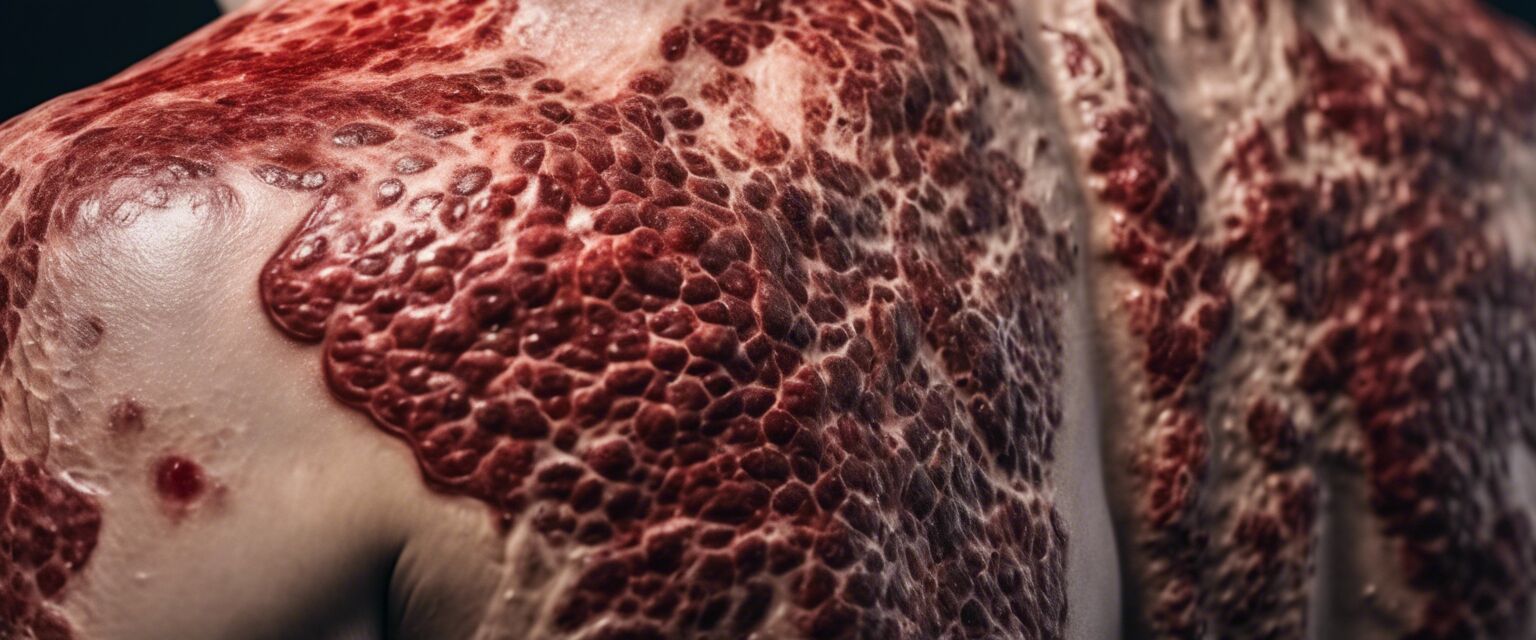
Psoriasis is a chronic autoimmune condition that affects millions of people worldwide. Characterized by red, scaly patches on the skin, psoriasis can be uncomfortable, painful, and embarrassing. However, with the right care and treatment, it is possible to manage the condition and improve the quality of life.
Key Takeaways
- Psoriasis is a chronic autoimmune condition that affects the skin.
- There are five types of psoriasis, each with distinct symptoms and characteristics.
- Treatment options include topical creams, light therapy, and systemic medications.
- Lifestyle changes, such as diet and exercise, can help manage psoriasis symptoms.
What is Psoriasis?
Psoriasis is a chronic autoimmune condition that occurs when the immune system mistakenly attacks healthy skin cells. This causes an overproduction of skin cells, leading to a buildup of thick, scaly skin. Psoriasis can affect any part of the body, but it most commonly occurs on the elbows, knees, scalp, and lower back.
Types of Psoriasis
| Type of Psoriasis | Description | Symptoms |
|---|---|---|
| Plaque Psoriasis | The most common type of psoriasis, accounting for about 80% of cases. | Red, inflamed patches on the skin, often with a silver or white scale. |
| Guttate Psoriasis | A type of psoriasis that usually affects children and young adults. | Small, pink, scaly spots on the skin, often triggered by a strep throat infection. |
| Inverse Psoriasis | A type of psoriasis that occurs in the folds of the skin, such as the armpits, groin, and behind the ears. | Smooth, shiny, red lesions in the folds of the skin. |
| Pustular Psoriasis | A rare and severe type of psoriasis that can cause pus-filled blisters on the skin. | White, pus-filled blisters on the skin, often accompanied by fever, chills, and fatigue. |
| Erythrodermic Psoriasis | A severe and rare type of psoriasis that can cause widespread inflammation and scaling of the skin. | Widespread, fiery redness and scaling of the skin, often accompanied by fever, chills, and fatigue. |
Symptoms of Psoriasis
In addition to the characteristic red, scaly patches on the skin, psoriasis can cause a range of symptoms, including:
- Itching, burning, or soreness on the skin
- Dry, cracked skin
- Swollen or stiff joints
- Fatigue
- Depression and anxiety
Treatment Options for Psoriasis
Treatment options for psoriasis depend on the severity and location of the condition. Topical creams and ointments, light therapy, and systemic medications are all effective options.
| Treatment Option | Description |
|---|---|
| Topical Creams and Ointments | Applied directly to the skin to reduce inflammation and slow down skin cell growth. |
| Light Therapy | Exposure to specific wavelengths of light, such as UVB or narrowband UVB, to reduce inflammation and slow down skin cell growth. |
| Systemic Medications | Oral or injectable medications that work throughout the body to reduce inflammation and slow down skin cell growth. |
Lifestyle Changes for Psoriasis
In addition to medical treatment, making lifestyle changes can help manage psoriasis symptoms and improve overall health.
Lifestyle Tips for Psoriasis
- Eat a healthy, balanced diet rich in omega-3 fatty acids, vitamin D, and antioxidants.
- Exercise regularly to reduce stress and improve overall health.
- Keep the skin moisturized with gentle, fragrance-free products.
- Avoid triggers such as stress, smoking, and excessive alcohol consumption.

Psoriasis and Diet
While there is no specific "psoriasis diet," eating a healthy, balanced diet rich in omega-3 fatty acids, vitamin D, and antioxidants can help manage symptoms. Foods to include in your diet are:
- Fatty fish, such as salmon and mackerel
- Leafy greens, such as spinach and kale
- Fruits, such as berries and citrus fruits
- Nuts and seeds, such as almonds and flaxseeds

Psoriasis and Exercise
Regular exercise can help reduce stress, improve overall health, and manage psoriasis symptoms. Gentle exercises, such as yoga and swimming, are often recommended for people with psoriasis.
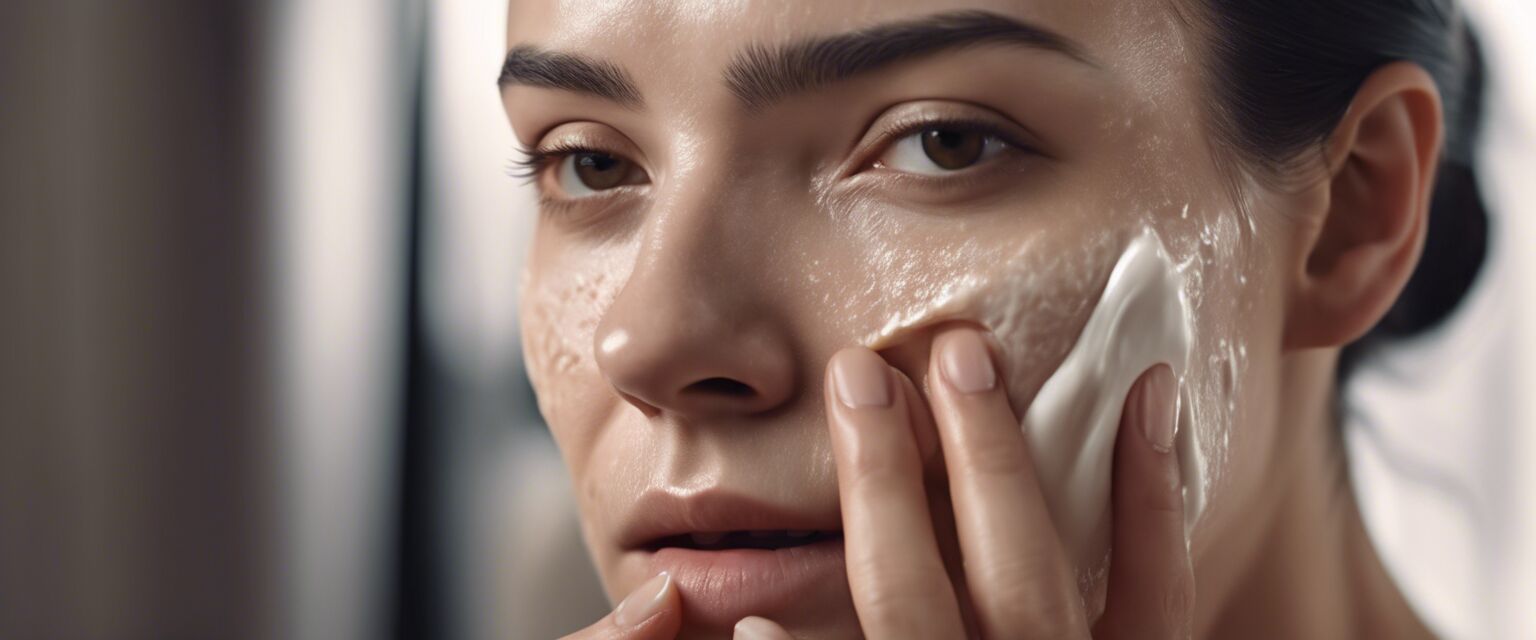
Psoriasis Skin Care
Keeping the skin moisturized is essential for managing psoriasis symptoms. Gentle, fragrance-free products are often recommended, and avoiding harsh soaps and exfoliating products can help reduce irritation.
Benefits of Psoriasis Care
- Improved skin health and appearance
- Reduced symptoms and discomfort
- Improved overall health and well-being
Challenges of Psoriasis Care
- Finding the right treatment option can take time
- Lifestyle changes can be difficult to implement
- Psoriasis can be unpredictable and unpredictable
By understanding the symptoms, treatment options, and lifestyle changes for psoriasis, it is possible to manage the condition and improve overall health and well-being.
For more information on psoriasis care, visit our Skincare Essentials page for product recommendations and reviews.
Additionally, our Hair and Scalp Care page provides information on managing psoriasis on the scalp, and our Cosmetic Dermatology page offers advice on cosmetic treatments for psoriasis.
Remember, with the right care and treatment, it is possible to manage psoriasis and improve the quality of life.