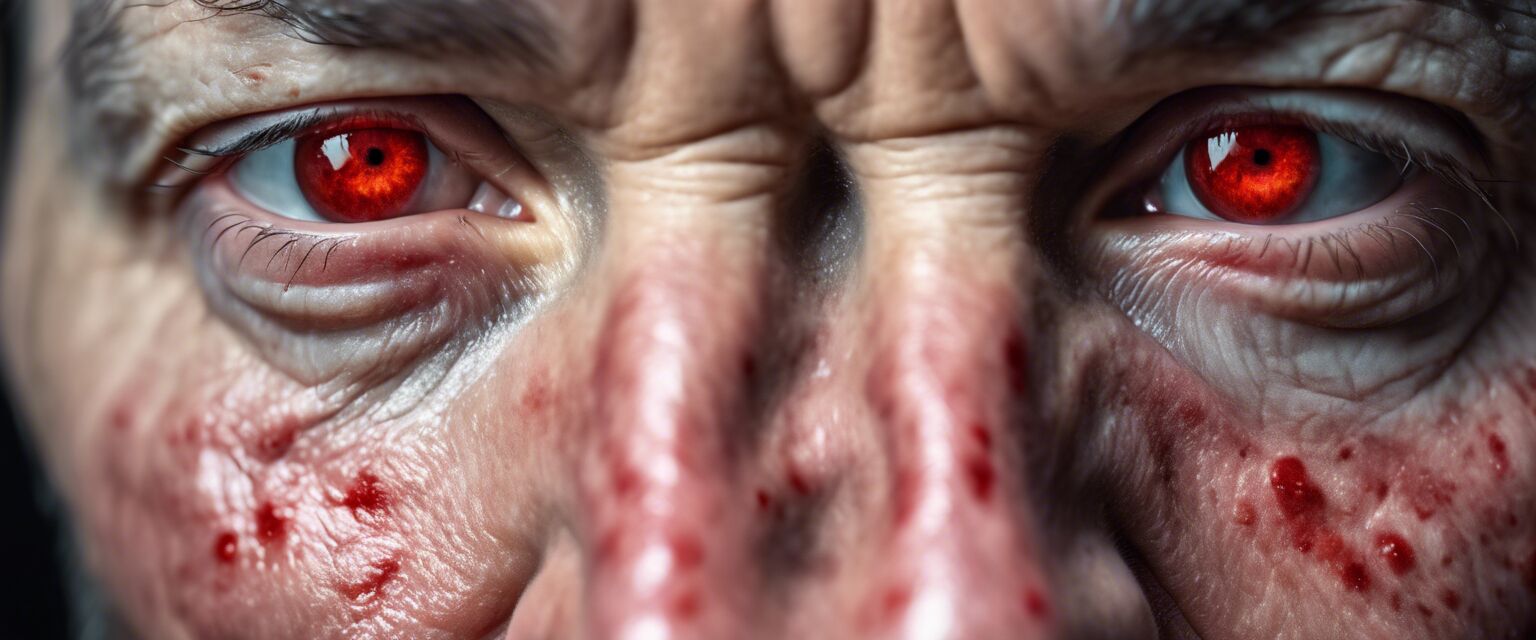

Eczema management
Key takeaways
- Eczema is a chronic skin condition characterized by inflamed, itchy skin.
- Common symptoms include dryness, redness, and irritation.
- Identifying triggers is essential for effective management.
- There are various treatment options available ranging from topical solutions to lifestyle changes.
- Consulting with a dermatologist is recommended for personalized advice.
Eczema, also known as atopic dermatitis, is a common skin condition that can significantly impact the quality of life for those affected. Understanding its symptoms, causes, and treatment options is key to effective management. In this article, we will delve deeper into these aspects of eczema.
What is eczema?
Eczema is a chronic condition that causes inflammation and irritation of the skin. It can occur at any age, but it often begins in childhood. The condition manifests with symptoms such as redness, dryness, and itching.
Symptoms of eczema
| Symptom | Description |
|---|---|
| Dry skin | Skin becomes very dry, often cracking and peeling. |
| Itching | Severe itching that may lead to scratching and further irritation. |
| Red or brownish-gray patches | These patches may appear on various parts of the body, including elbows and knees. |
| Thickened, leathery skin | Skin may become thick and leathery due to chronic scratching. |
Causes of eczema
The exact cause of eczema is not fully understood, but several factors may contribute to its development, including:
- Genetics: A family history of eczema may increase one's risk.
- Environmental factors: Irritants like soaps, detergents, and fabrics can trigger symptoms.
- Allergens: Common allergens such as pollen, pet dander, and dust mites may provoke an eczema flare-up.
- Temperature changes: Extreme temperatures, either hot or cold, can worsen symptoms.
Diagnosing eczema
Diagnosis typically involves a physical examination and a review of the patient's medical history. In some cases, dermatologists may recommend patch testing to identify specific allergens. For more on dermatology tools, check our section on dermatology tools.
Treatment options for eczema
Managing eczema may involve several strategies:
1. Topical treatments
These include creams, ointments, and lotions that help relieve symptoms:
| Type | Description |
|---|---|
| Moisturizers | Hydrate and protect the skin barrier. |
| Corticosteroids | Reduce inflammation and alleviate itching. |
| Calcineurin inhibitors | Non-steroidal creams that help reduce inflammation. |
2. Lifestyle changes
- Opt for mild soaps and detergents to avoid skin irritation.
- Wear cotton and breathable fabrics to minimize sweat and discomfort.
- Keep the skin moisturized to prevent dryness and cracking.
3. Medication
In severe cases, a dermatologist may prescribe oral medications such as antihistamines or immunosuppressants. Learn about various anti-aging solutions that may also support skin health.
4. Avoiding triggers
Identify and avoid personal triggers through observation and maybe even keeping a diary:
- Monitor both dietary and environmental changes.
- Eliminate allergens, where feasible.
- Control environmental factors such as humidity and temperature.
Conclusion
Managing eczema effectively requires a tailored approach based on individual symptoms and triggers. Consultation with a dermatologist will provide you with a deeper understanding of available treatments and personalized management plans. Additionally, maintaining a routine that includes hydration and mindfulness about triggers can greatly enhance your quality of life.
Beginner's section: Tips for new eczema sufferers
- Keep your skin moisturized regularly.
- Invest in a good humidifier, especially during dry months.
- Choose clothing that is comfortable and non-irritating.
- Be cautious with pet exposure, as dander can be a trigger.
Pros
- Informed management can reduce flare-ups.
- Variety of treatments available for different severity levels.
- Lifestyle adjustments can lead to long-term improvements.
- Professional guidance ensures personalized care.
Cons
- Treatment may require trial and error to find the most effective options.
- Chronic condition that can require long-term management.
- Risk of skin infections due to itching and scratching.
- Potentially higher costs for specialized treatments and products.
Resources
For continued learning about maintaining healthy skin, explore our category on skincare essentials, or consider reading up on hair and scalp care to complement your skincare journey.