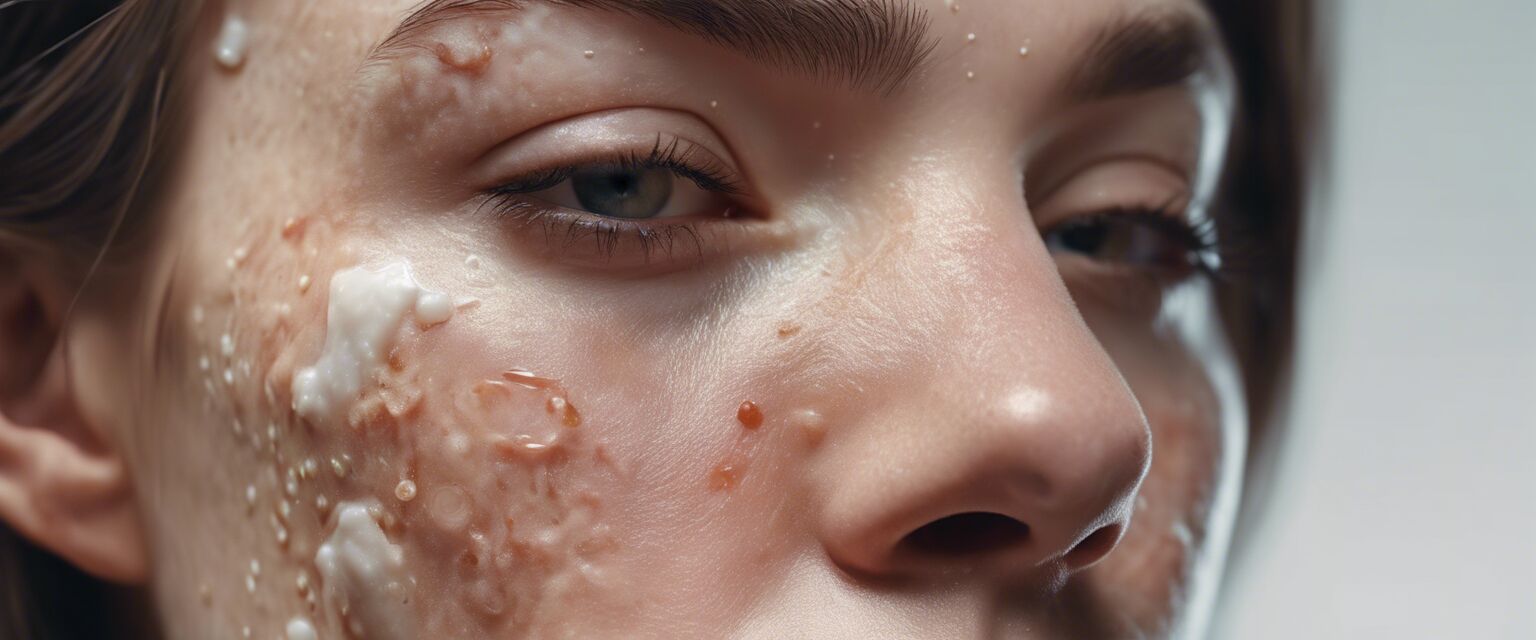
Acne Treatment: A Comprehensive Guide
Acne can be frustrating and affect our self-confidence. But, with the right understanding and treatment, it can be managed and even prevented. In this article, we will delve into the world of acne treatment, exploring various methods and products that can help you achieve healthy, glowing skin.
Key Takeaways
- Acne can be caused by a combination of factors, including genetics, hormones, and environmental triggers.
- Topical treatments, such as benzoyl peroxide and salicylic acid, can help to unclog pores and reduce inflammation.
- Oral antibiotics and retinoids can be prescribed for moderate to severe acne.
- Lifestyle changes, including a balanced diet and regular exercise, can also help to prevent acne.
Understanding Acne
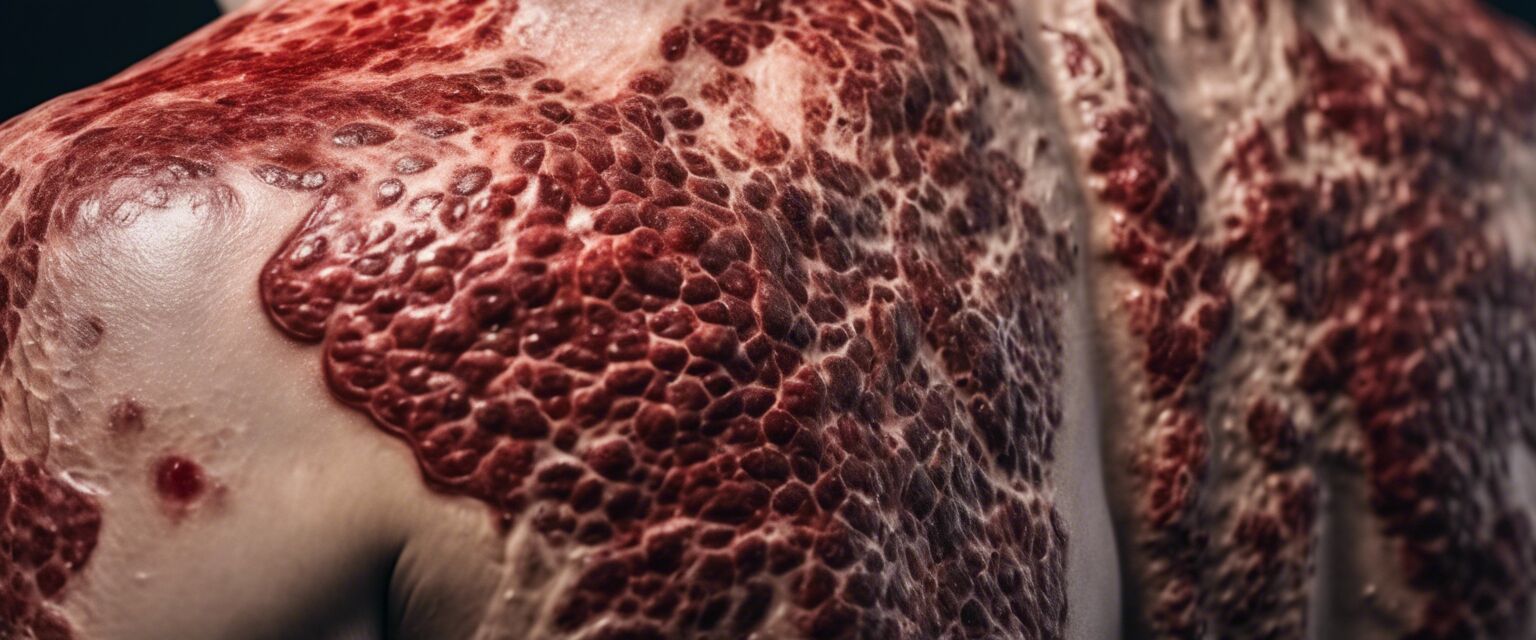
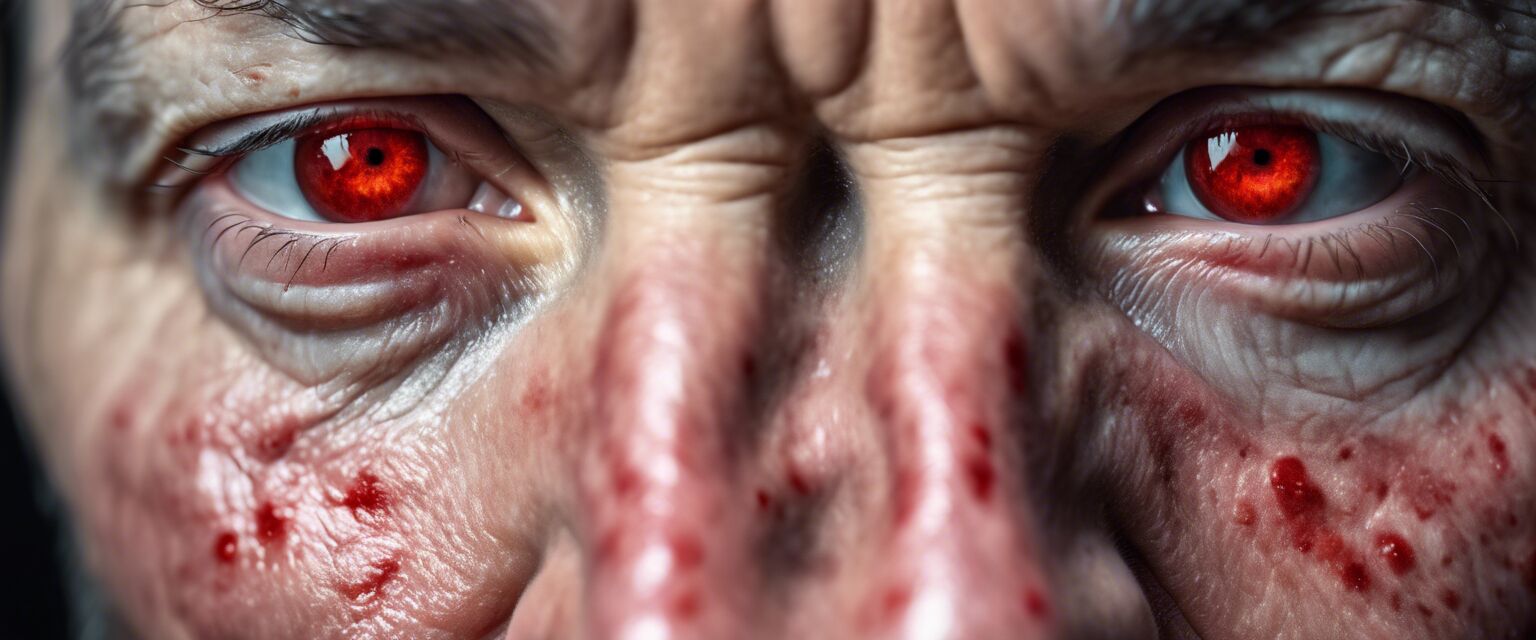
Acne occurs when the pores on our skin become clogged with dead skin cells, oil, and bacteria. This can lead to blackheads, whiteheads, and pimples. There are several factors that can contribute to acne, including:
| Factors | Description |
|---|---|
| Genetics | Acne can be inherited from our parents. |
| Hormones | Changes in hormone levels, such as during puberty or menstruation, can lead to acne. |
| Environmental Triggers | Exposure to pollution, humidity, and certain chemicals can trigger acne. |
| Stress | High levels of stress can lead to acne. |
Topical Treatments
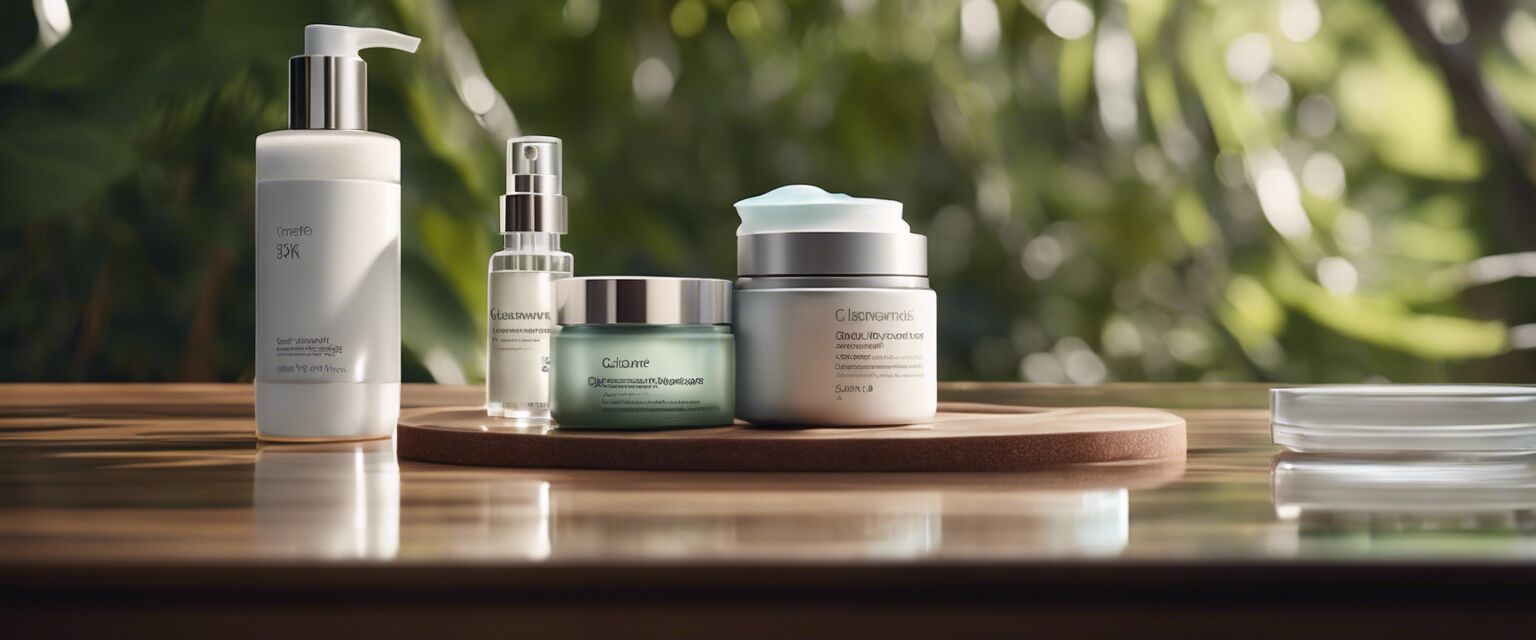
Topical treatments are creams, gels, or cleansers that are applied directly to the skin to help unclog pores and reduce inflammation. Some common topical treatments include:
| Treatment | Description |
|---|---|
| Benzoyl Peroxide | Kills bacteria and helps to unclog pores. |
| Salicylic Acid | Exfoliates the skin, unclogging pores and reducing inflammation. |
| Tea Tree Oil | Has antibacterial properties, helping to reduce inflammation. |
Oral Treatments
For moderate to severe acne, oral antibiotics and retinoids may be prescribed. These medications work by:
| Treatment | Description |
|---|---|
| Oral Antibiotics | Kill bacteria and reduce inflammation. |
| Retinoids | Unclog pores and prevent new acne from forming. |
Lifestyle Changes
In addition to topical and oral treatments, making certain lifestyle changes can also help to prevent acne. These include:
- Eating a balanced diet rich in fruits, vegetables, and whole grains.
- Exercising regularly to reduce stress and improve overall health.
- Getting enough sleep and maintaining a healthy weight.
- Avoiding picking or popping pimples, which can lead to scarring and further inflammation.

Conclusion
Acne treatment is not a one-size-fits-all solution. It requires a combination of understanding the causes of acne, using effective topical and oral treatments, and making lifestyle changes to prevent acne. By following the tips and advice outlined in this article, you can take the first steps towards achieving healthy, glowing skin.
Pros
- Acne treatment can be tailored to individual skin types and needs.
- Topical treatments are often gentle and non-irritating.
- Lifestyle changes can improve overall health and wellbeing.
Cons
- Acne can be persistent and difficult to treat.
- Oral antibiotics can have side effects, such as digestive issues.
- Lifestyle changes may require significant adjustments.
For more information on skincare essentials, check out our Skincare Essentials page. If you're interested in learning more about cosmetic dermatology, visit our Cosmetic Dermatology page.
Remember, acne treatment is a journey, and it may take time to find the right combination of treatments and lifestyle changes that work for you. Be patient, stay consistent, and don't hesitate to consult with a dermatologist if you need further guidance.
Beginners Section
- Start with gentle, non-comedogenic products to avoid clogging pores.
- Exfoliate regularly to remove dead skin cells and unclog pores.
- Keep your hands away from your face to prevent transferring bacteria and oils.
By following the tips and advice outlined in this article, you can take the first steps towards achieving healthy, glowing skin. Remember to always consult with a dermatologist if you have any concerns or questions about acne treatment.