Rosacea Treatment: A Comprehensive Guide
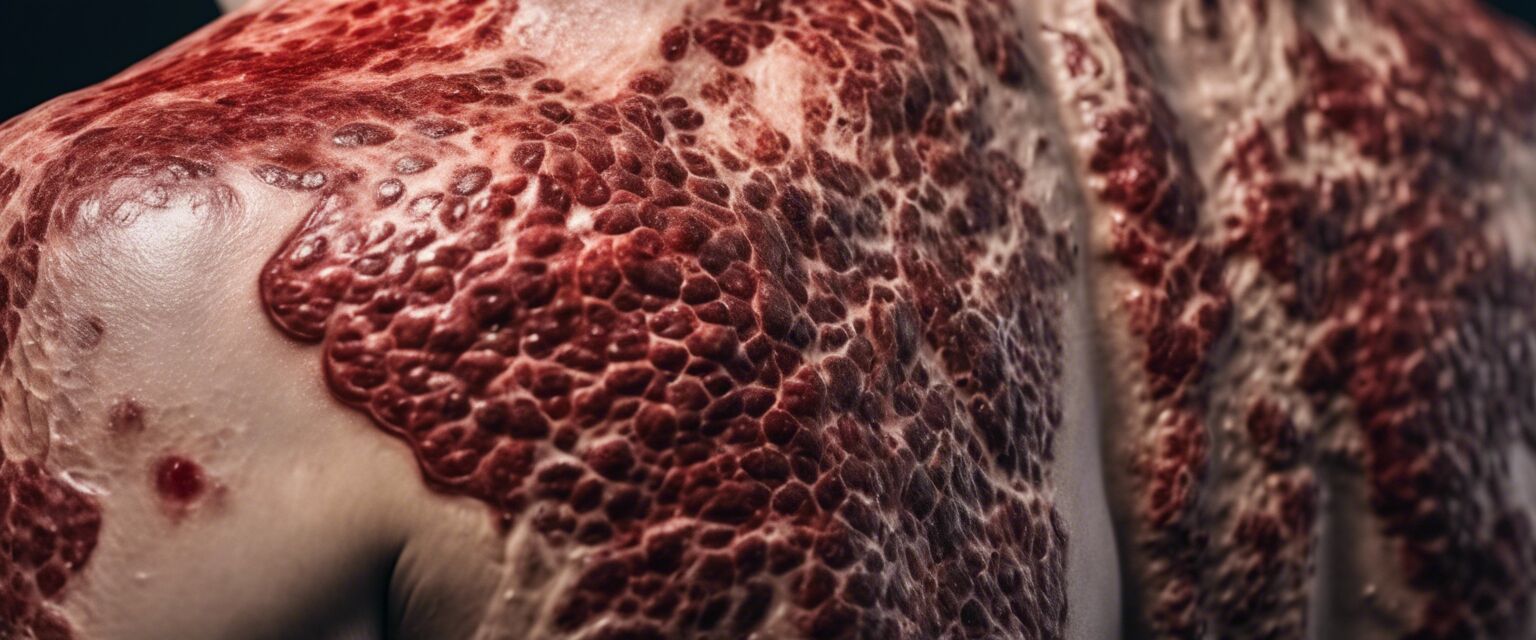
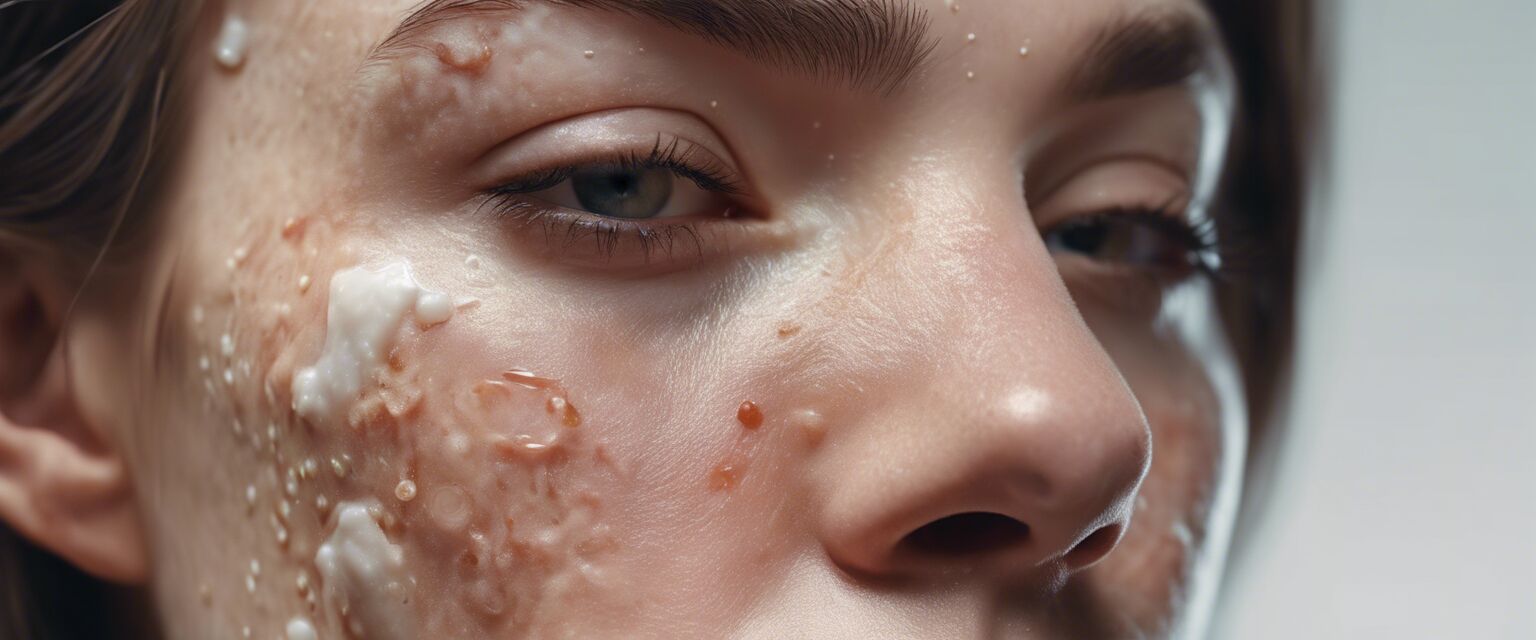
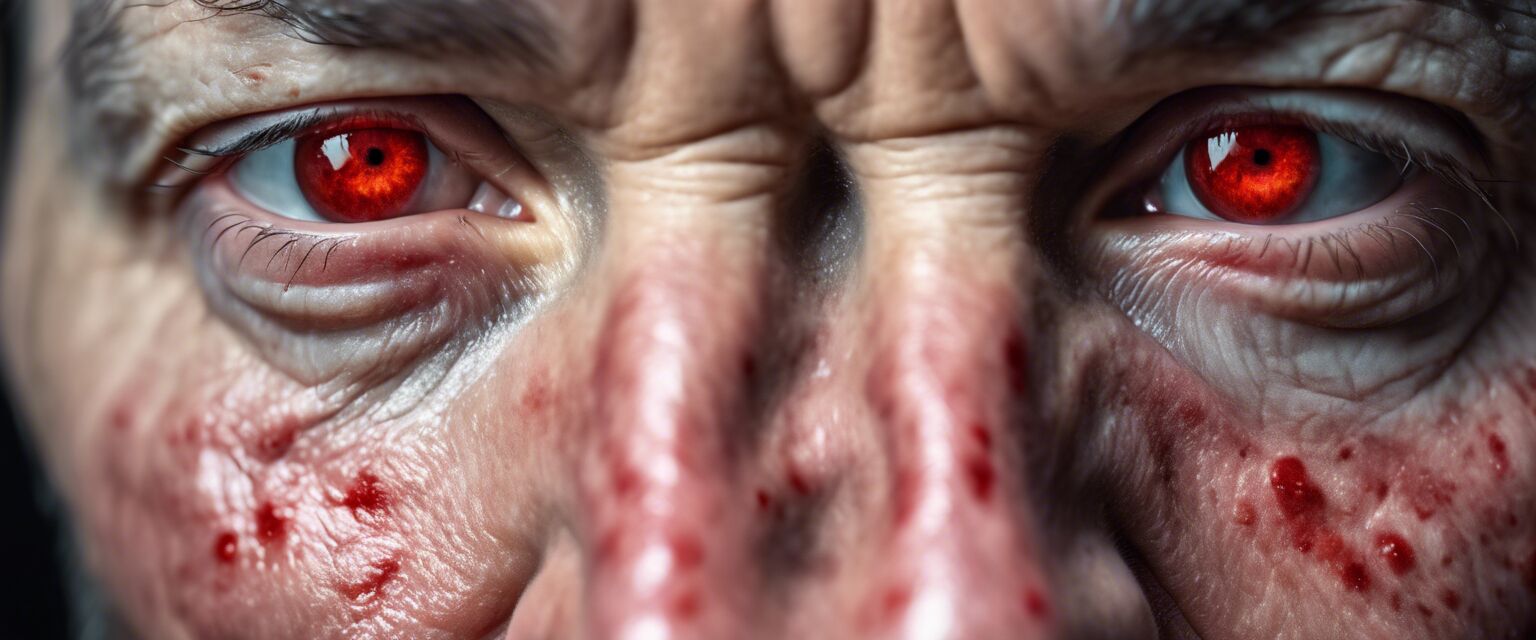
Rosacea is a chronic skin condition characterized by redness, inflammation, and visible blood vessels on the face. It can be frustrating and affect one's self-esteem, but with the right treatment, it can be managed. In this guide, we'll cover the symptoms, causes, and treatment options for rosacea.
Key Takeaways
- Rosacea is a chronic skin condition characterized by redness, inflammation, and visible blood vessels on the face.
- There is no cure for rosacea, but it can be managed with the right treatment.
- Treatment options include topical creams, oral antibiotics, and laser therapy.
What is Rosacea?
Rosacea is a common skin condition that affects an estimated 16 million people in the United States alone. It typically affects the face, causing redness, inflammation, and visible blood vessels.
| Symptom | Description |
|---|---|
| Redness | Permanent redness of the face, especially on the nose, cheeks, forehead, and chin. |
| Inflammation | Swollen, red bumps on the face, which can be painful. |
| Visible Blood Vessels | Visible blood vessels under the skin, which can give the face a flushed appearance. |
Causes of Rosacea
The exact cause of rosacea is still unknown, but there are several factors that can trigger or worsen the condition. These include:
- Genetics: Having a family history of rosacea can increase your risk of developing the condition.
- Environmental Factors: Exposure to sun, wind, and extreme temperatures can trigger rosacea symptoms.
- Hormonal Changes: Hormonal fluctuations during menopause or pregnancy can trigger rosacea symptoms.
- Food and Drink: Consuming spicy foods, caffeine, and alcohol can trigger rosacea symptoms.
Rosacea Treatment Options
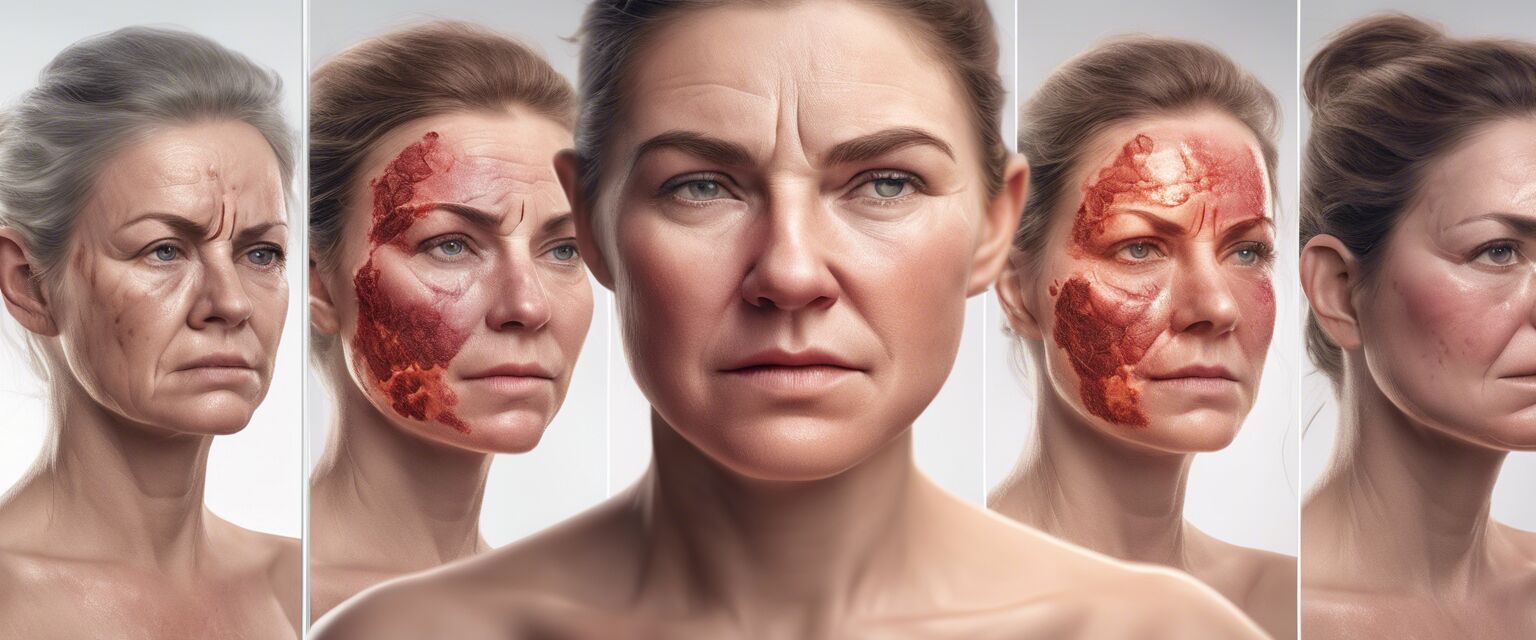
There is no cure for rosacea, but there are several treatment options available to manage the condition. These include:
| Treatment Option | Description |
|---|---|
| Topical Creams | Prescription creams or gels that can reduce inflammation and redness. |
| Oral Antibiotics | Prescription medications that can reduce inflammation and kill bacteria that can exacerbate rosacea. |
| Laser Therapy | A non-invasive treatment that uses laser light to reduce the appearance of blood vessels and redness. |
Skincare Routine for Rosacea
Having a gentle skincare routine can help manage rosacea symptoms. Here are some tips:
- Use gentle, fragrance-free products that are formulated for sensitive skin.
- Avoid harsh exfoliants and astringents that can strip the skin of its natural oils.
- Use sunscreen with at least SPF 30 daily to protect the skin from UV rays.
Natural Remedies for Rosacea
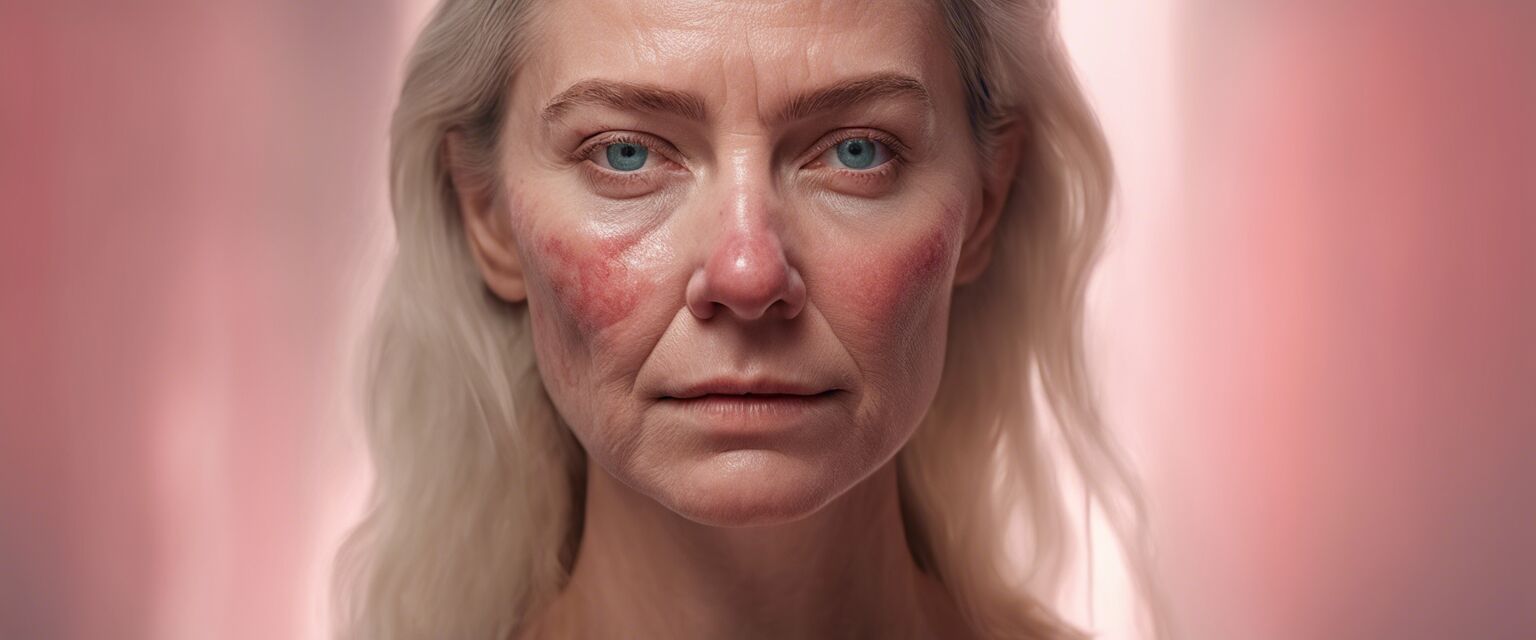
In addition to medical treatment, there are several natural remedies that can help manage rosacea symptoms. These include:
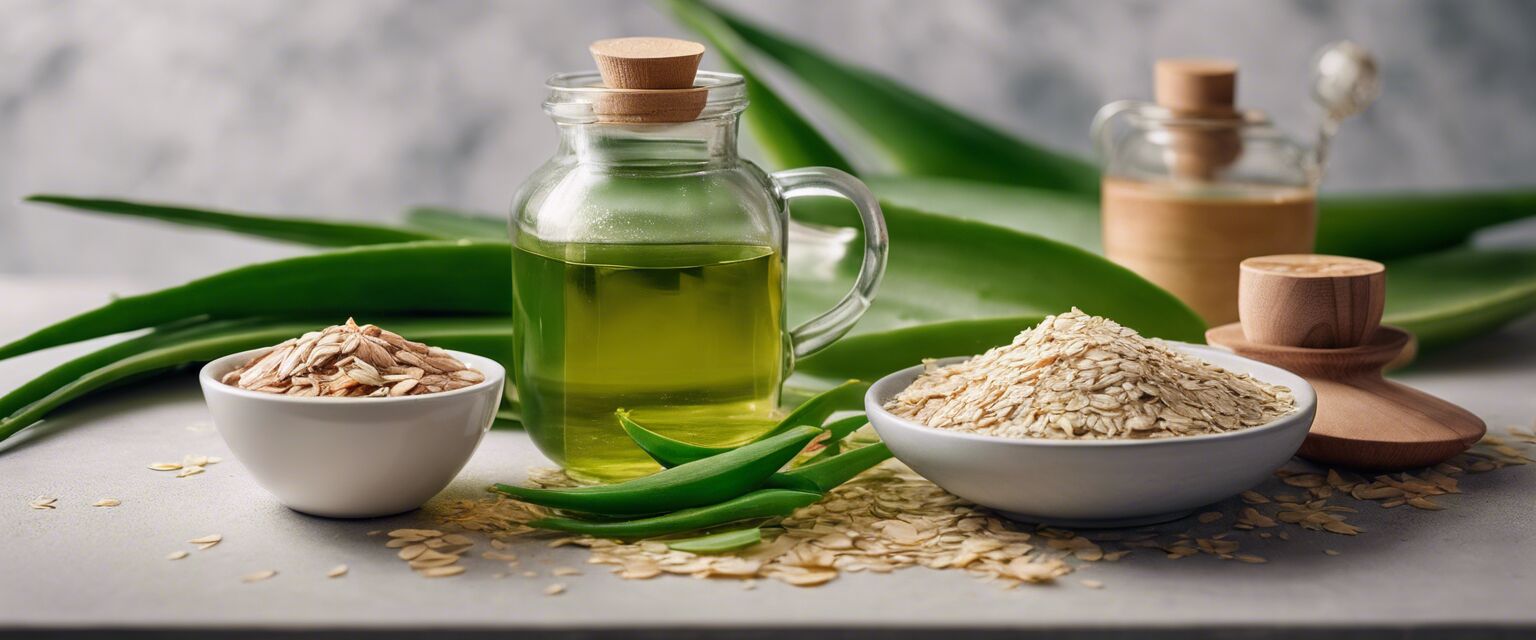
- Aloe Vera: A natural anti-inflammatory that can reduce redness and inflammation.
- Green Tea: A natural antioxidant that can reduce inflammation and protect the skin from UV rays.
- Oatmeal: A natural anti-inflammatory that can soothe and calm the skin.
Benefits of Treating Rosacea
- Reduced redness and inflammation
- Improved skin texture and tone
- Increased self-confidence
Challenges of Treating Rosacea
- Finding the right treatment can take time and trial
- Treatment may not completely eliminate symptoms
- Lifestyle changes may be necessary to manage symptoms
If you're struggling with rosacea, it's essential to consult with a dermatologist to find the right treatment for your skin. With the right treatment and lifestyle changes, you can manage your symptoms and improve your skin health.
For more information on skincare and dermatology, check out our guides on Skincare Essentials, Cosmetic Dermatology, and Dermatology Tools.