
Skin Cancer Prevention: Essential Information
Skin cancer is one of the most common types of cancer, but it's also one of the most preventable. By understanding the risks, signs, and symptoms, you can take steps to prevent skin cancer and protect your skin health.
Key Takeaways:
- UV radiation is a major risk factor for skin cancer
- Early detection is key to effective treatment
- Prevention methods include sunscreen, clothing, and shade
- Regular self-exams can help identify skin cancer early
What is Skin Cancer?
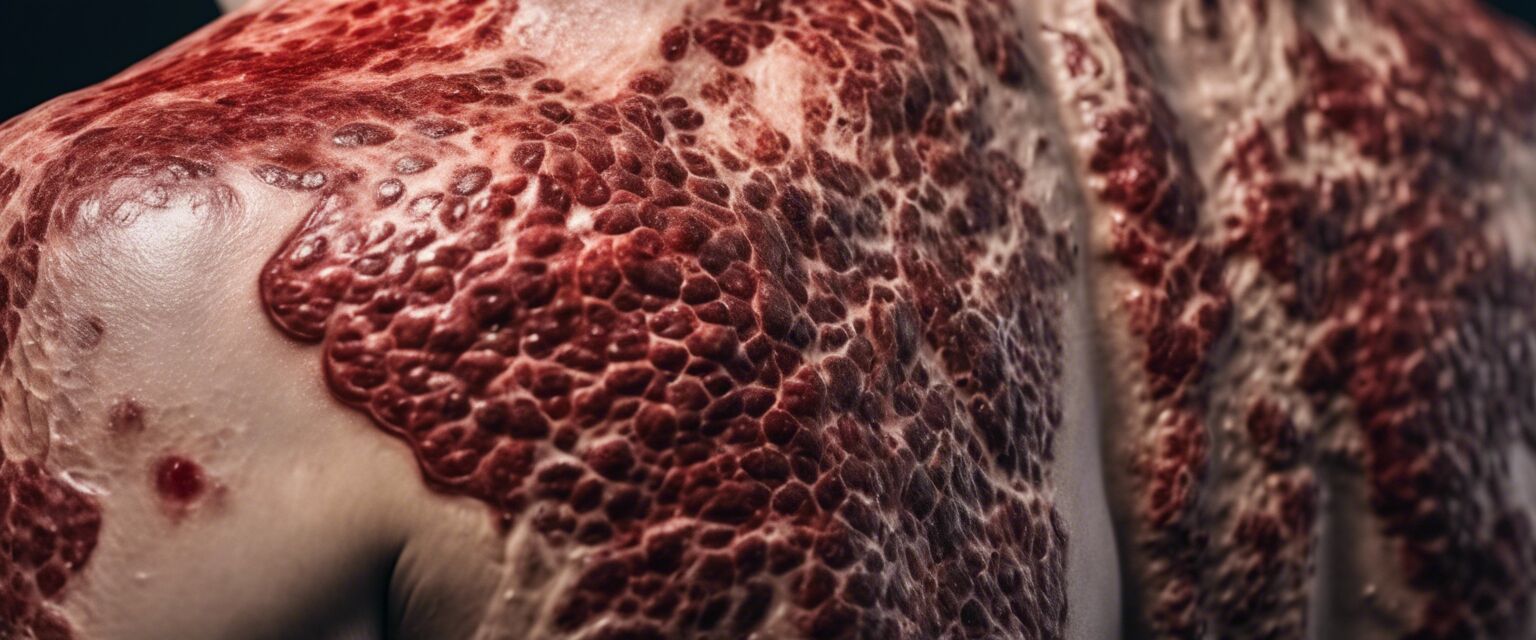
Skin cancer occurs when abnormal cells grow and multiply in the skin. It can occur anywhere on the body, but it's most common in areas exposed to the sun, such as the face, neck, and hands.
Risk Factors:
| Risk Factor | Description |
|---|---|
| UV Radiation | Exposure to UV radiation from the sun or tanning beds increases the risk of skin cancer |
| Fair Skin | People with fair skin are more susceptible to skin damage and skin cancer |
| Family History | A family history of skin cancer increases an individual's risk |
| Previous Skin Cancer | Individuals who have had skin cancer are at higher risk of developing it again |
Identifying Skin Cancer:
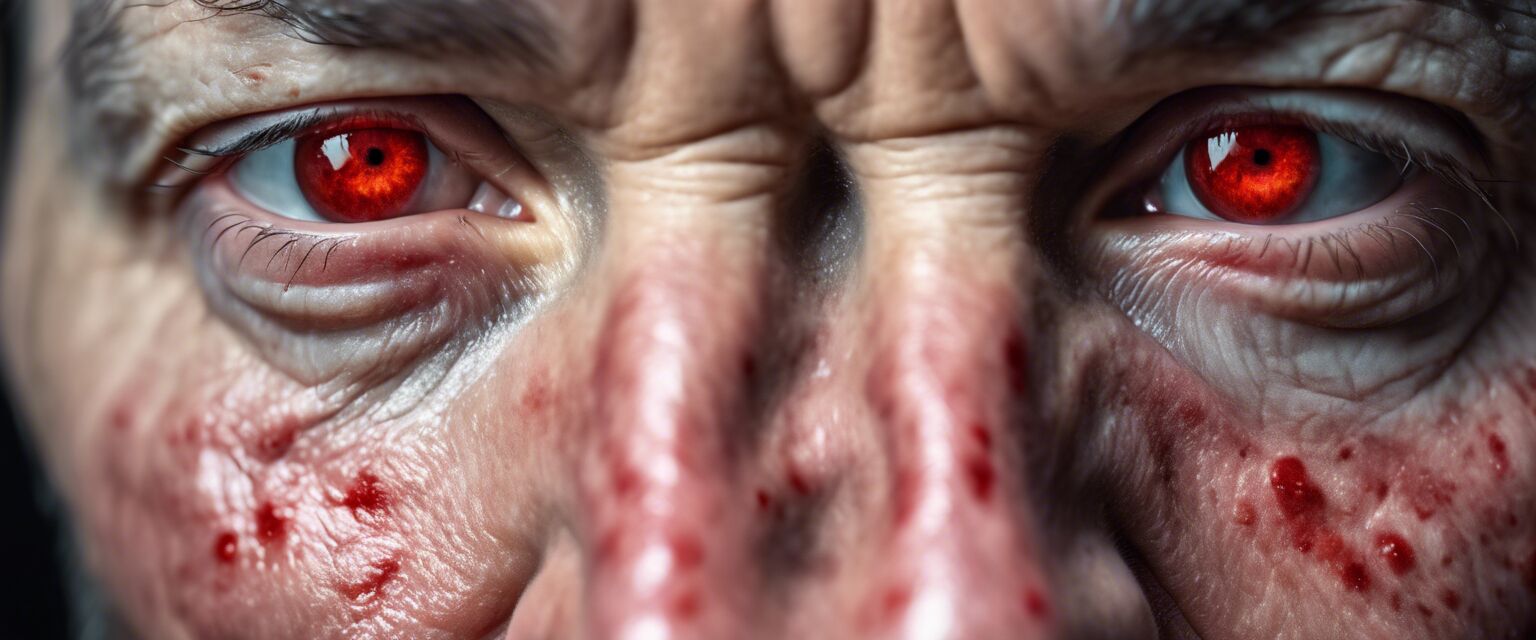
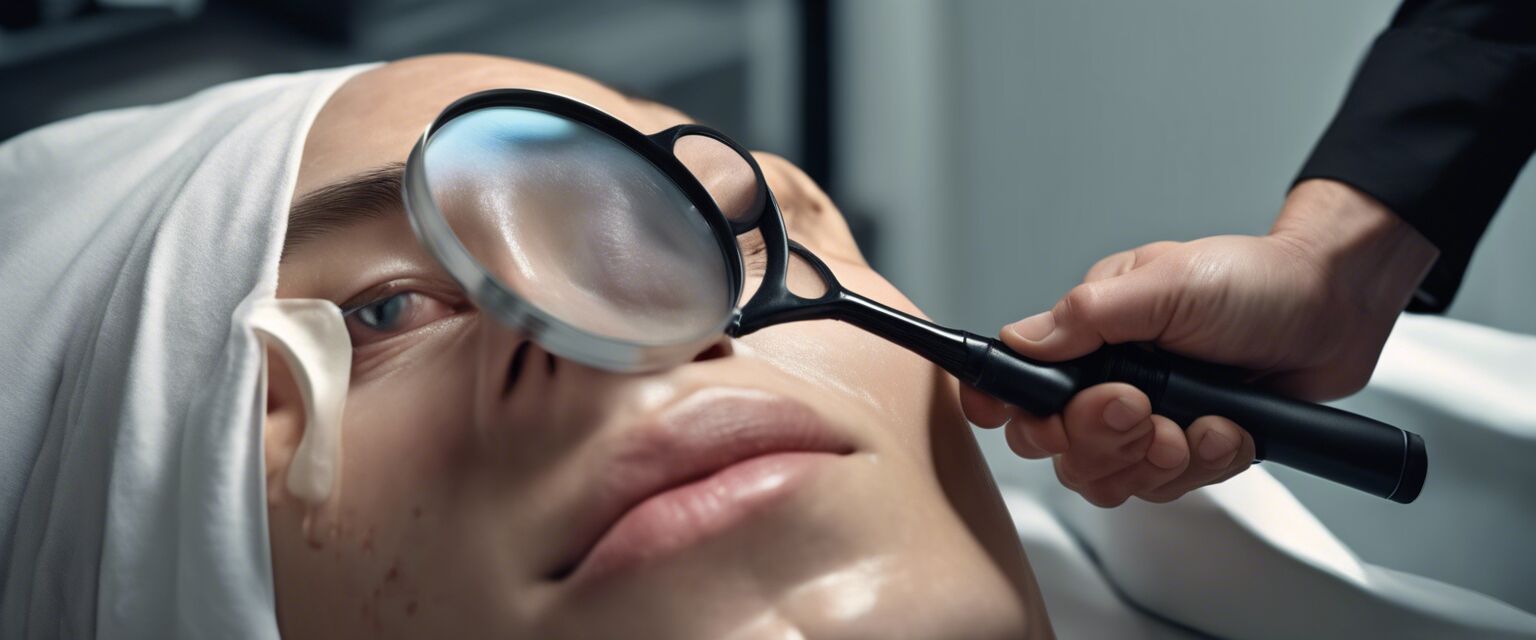
Early detection is crucial for effective treatment. Perform regular self-exams to identify any abnormalities. Look for:
- Asymmetrical moles or growths
- Irregular borders
- Changes in color, size, or shape
- Bleeding or oozing
- Itching or pain
The ABCDE Rule:
Use the ABCDE rule to identify potential skin cancers:
- A - Asymmetry: If the mole or growth is not symmetrical
- B - Border: If the border is irregular, notched, or scalloped
- C - Color: If the color is uneven, with shades of brown, black, or tan
- D - Diameter: If the diameter is larger than 6mm
- E - Evolving: If the mole or growth is changing in size, shape, or color
Preventing Skin Cancer:
Prevention is key to reducing the risk of skin cancer. Follow these methods:
| Prevention Method | Description |
|---|---|
| Sunscreen | Use a broad-spectrum sunscreen with at least SPF 30 |
| Clothing | Wear protective clothing, including a hat and long-sleeved shirts |
| Shade | Seek shade, especially during peak sun hours (10am-4pm) |
| Avoid Tanning Beds | Never use tanning beds, as they increase the risk of skin cancer |

Treating Skin Cancer:
If you're diagnosed with skin cancer, your doctor will discuss treatment options with you. These may include:
- Surgery
- Cryotherapy
- Topical treatments
- Photodynamic therapy
Conclusion:
Skin cancer prevention is crucial for protecting your skin health. By understanding the risks, signs, and symptoms, and taking preventative measures, you can reduce your risk of developing skin cancer. Remember to perform regular self-exams and see a dermatologist if you notice any abnormalities.
For more information on skincare essentials, visit our Skincare Essentials page. If you're concerned about hair and scalp care, check out our Hair and Scalp Care page. And for nail health, visit our Nail Health page.
Stay protected and stay informed!
Importance of Skin Cancer Prevention
- Reduces the risk of skin cancer
- Protects skin health
- Early detection leads to effective treatment
Consequences of Not Preventing Skin Cancer
- Increased risk of skin cancer
- Potential disfigurement
- Reduced quality of life
Beginners Section:
New to skin cancer prevention? Start here:
- Perform a self-exam today
- Invest in a broad-spectrum sunscreen
- Wear protective clothing outdoors
- Consult a dermatologist if you have concerns