
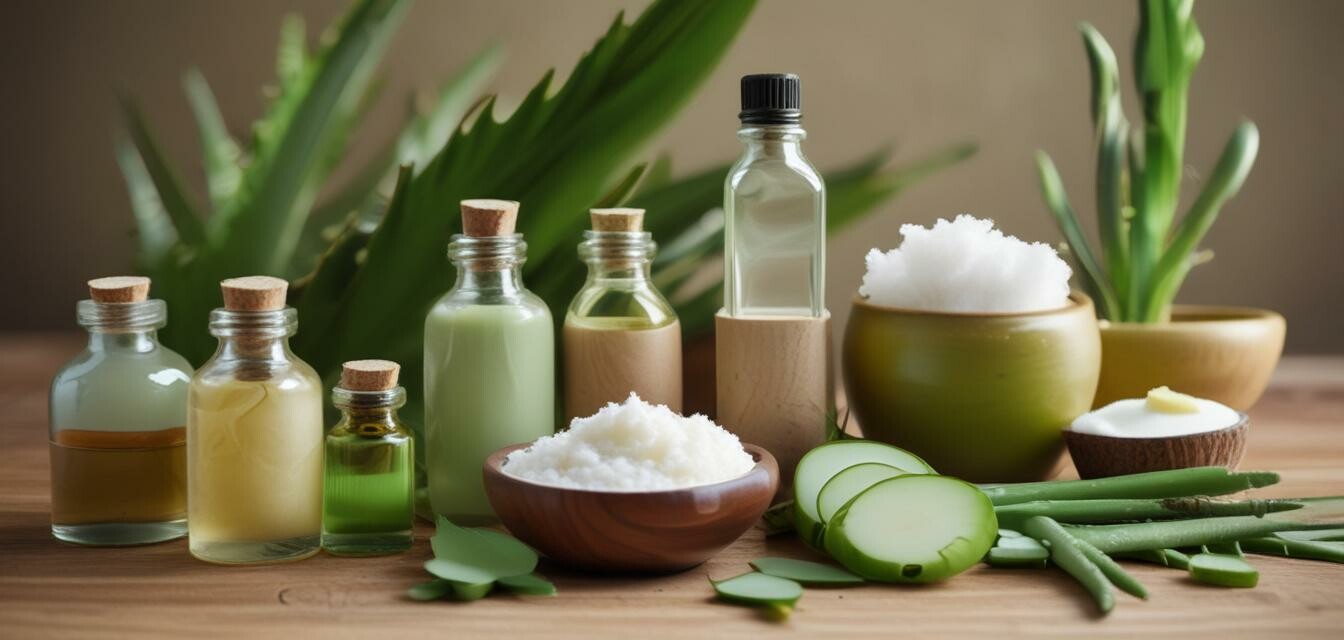
The Revival of Natural Ingredients in Skincare
Key Takeaways
- The trend towards natural ingredients is gaining momentum in 2025.
- Natural ingredients offer multiple benefits that synthetic alternatives may not.
- Consumer demand for clean beauty products is reshaping the industry.
- Certain natural ingredients have been scientifically researched for effectiveness.
- Natural skincare can be more sustainable and environmentally friendly.
In recent years, the skincare industry has seen a significant shift towards the incorporation of natural ingredients in formulations. As we dive into 2025, this trend has transcended being just a fad; it's becoming a cornerstone of skincare development. Consumers are increasingly seeking products that not only enhance their beauty but are also safe and sustainable in their composition. Let's investigate this revival of natural ingredients in skincare and explore their benefits compared to synthetic alternatives.
The rise of natural ingredients
Over the past few decades, synthetic ingredients have dominated the skincare market. However, increasing concerns about the potential side effects of these substances have led to a resurgence of interest in natural alternatives. Several factors contribute to this shift:
- Heightened awareness of skin sensitivity and allergies.
- Growing concerns about sustainability and environmental impact.
- The rise of clean beauty movements promoting transparency in ingredient sourcing.
- Influence of social media and testimonials showcasing the effectiveness of natural solutions.
Benefits of natural ingredients
Natural ingredients often bring distinct advantages over their synthetic counterparts:
| Benefits | Synthetic Ingredients | Natural Ingredients |
|---|---|---|
| Skin compatibility | May cause irritation | Gentler on the skin |
| Environmental impact | Can be harmful | More sustainable |
| Sourcing | Often lab-created | Plant-derived and organic |
| Health perception | May lead to skepticism | Generally perceived as safer |
Popular natural ingredients
Some of the most sought-after natural ingredients in 2025 include:
- Aloe Vera: known for its soothing properties.
- Tea Tree Oil: recognized for its antibacterial qualities.
- Shea Butter: celebrated for deep moisturization.
- Rosehip Oil: regarded for its anti-aging benefits.
Comparative analysis: Natural vs. synthetic
To further understand the revival, let’s delve deeper into the advantages of natural ingredients compared to synthetic alternatives:
| Criteria | Synthetic Ingredients | Natural Ingredients |
|---|---|---|
| Cost | Often cheaper to produce | Can be more expensive due to sourcing |
| Effectiveness | Immediate but temporary effects | Long-term skin health benefits |
| Ethical Considerations | Questionable sourcing practices | Generally more ethical and sustainable |
| Consumer Trust | Decreasing over time | Increasing as awareness grows |
Consumer demand
The preferences of skincare consumers are evolving. Brands that prioritize transparency and sustainability are gaining loyalty as shoppers prefer to know the origin and purpose of the products they use. There has been a remarkable growth in clean beauty products as consumers continue to make informed choices.
This shift is evident in the increasing availability of natural skincare buying guides on platforms and blogs dedicated to education and product recommendations. Natural ingredients resonate with health-conscious consumers who are looking for holistic solutions.
Understanding regulatory hurdles
Despite the benefits of natural ingredients, the skincare industry faces potential regulatory challenges as the demand for natural products rises. Ensuring product safety while adhering to regulatory standards can complicate the formulation process. Companies must strike a balance between effectiveness and compliance.
The future of natural skincare
As we move forward, the future of natural ingredients in skincare seems bright. Innovation in sustainable sourcing and formulation techniques may lead to even more exciting developments. Additionally, it’s likely that we will see further research and validation of the benefits of these ingredients by dermatologists and scientists.
Conclusion
The resurgence of natural ingredients in skincare represents a significant transition in consumer preferences and industry standards. With awareness growing and consumer demand for eco-friendly and skin-friendly products on the rise, it’s clear that natural ingredients are here to stay.
Tips for choosing natural skincare products
- Read ingredient labels carefully.
- Look for certifications such as organic or cruelty-free.
- Research the brand's sourcing practices.
- Consider dermatologically tested products.
Pros
- Generally gentler on the skin
- More sustainable and environmentally friendly
- Rich in antioxidants and vitamins
- Often free from harmful chemicals
Cons
- Can be more expensive
- Effectiveness may vary between products
- May require longer to see results
To stay updated on the trends in skincare, explore our Trends in Skincare category!