
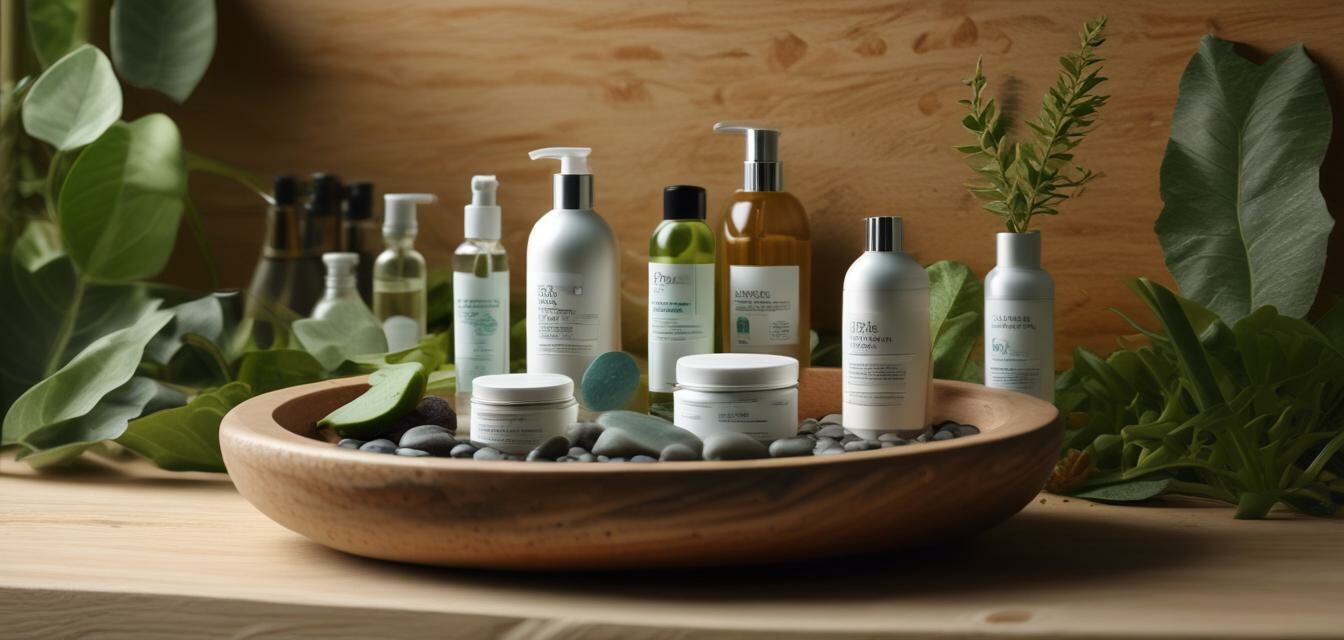
The Impact of Climate on Skincare Routines
Key Takeaways
- Climate influences skin conditions and product efficacy.
- Adapting your skincare routine to seasonal changes is essential.
- Understanding humidity and temperature can guide product selection.
- Consider local environmental factors like pollution and UV exposure.
- Personalized skincare can enhance effectiveness year-round.
When it comes to skincare, the climate you live in plays a pivotal role in how your skin behaves and responds to products. From humid summer days to dry winter months, understanding the impact of climate can help you make informed choices about your skincare regimen.
Why climate matters for skincare
Different climates bring unique challenges and conditions for our skin. Let's delve deeper into the reasons why climate should be at the forefront of your skincare considerations.
- Humidity levels: The amount of moisture in the air can either hydrate or dehydrate your skin.
- Temperature changes: Seasonal shifts affect your skin's oil production and sensitivity.
- UV exposure: Variations in sunlight can lead to different skin concerns throughout the year.
- Pollution: Urban environments may introduce toxins that necessitate a more robust skincare routine.
How climate affects your skin
Your skin is your body’s largest organ, reacting to external factors like climate. Here are some common skin issues related to various climates:
| Climate Type | Skin Issues | Recommended Care |
|---|---|---|
| Humid | Oily skin, acne | Lightweight moisturizers, oil-free products |
| Dry | Dullness, flakiness | Rich creams, hydrating serums |
| Cold | Chapping, redness | Barrier creams, gentle cleansers |
| Hot | Sunburn, irritation | Sunscreen, soothing gels |
| Polluted urban areas | Breakouts, sensitivity | Deep-cleansing products, antioxidants |
Adapting your skincare routine throughout the year
As seasons change, it’s vital to adapt your skincare regimen accordingly. Here are some tips for altering your skincare routine as the climate shifts:
Spring
- Incorporate lighter lotions to keep your skin hydrated without feeling greasy.
- Exfoliate regularly to address spring allergies that may cause skin irritation.
Summer
- Use a broad-spectrum sunscreen daily, as UV exposure peaks.
- Opt for gel-based moisturizers that provide hydration without clogging pores.
Autumn
- Switch to creamier cleansers to counteract the drying effects of cooler air.
- Consider incorporating rich oils or serums for added moisture.
Winter
- Emphasize thick creams and balms to seal in moisture.
- Utilize humidifiers in your home to combat dryness.
Benefits of a climate-appropriate skincare routine
When you customize your routine to fit the climate, you can experience several significant advantages, including:
- Improved skin health and texture
- Reduced occurrences of breakouts and irritation
- Enhanced effectiveness of the products you use
- Greater confidence in your skin at any time of year
Understanding your skin type
Before you can fully transition your skincare routine according to the climate, it's essential to understand your unique skin type. Here’s a brief overview:
| Skin Type | Characteristics | Best Practices |
|---|---|---|
| Oily | Shiny appearance, enlarged pores | Use oil-free products, gentle exfoliation |
| Dry | Flaky, tight, prone to irritation | Hydrating products, avoid hot water |
| Combination | Oily in T-zone, dry on cheeks | Use targeted treatments for each area |
| Sensitive | Prone to redness, irritation | Gentle, hypoallergenic products; patch test |
Pros
- Enhanced skin health
- Improved comfort and aesthetics
- Optimized product performance
Cons
- Requires ongoing adjustments
- Potential for trial and error
Final thoughts
Skincare is not a "one-size-fits-all" approach; it is dynamic and must adapt to the ever-changing climate. By recognizing how different weather conditions affect your skin, you can select the right products and techniques that cater to your unique requirements.
To stay ahead in your skincare game, consider checking out our buying guides for product recommendations, and participate in our ongoing discussions in news in dermatology to keep informed about the latest techniques and trends.