
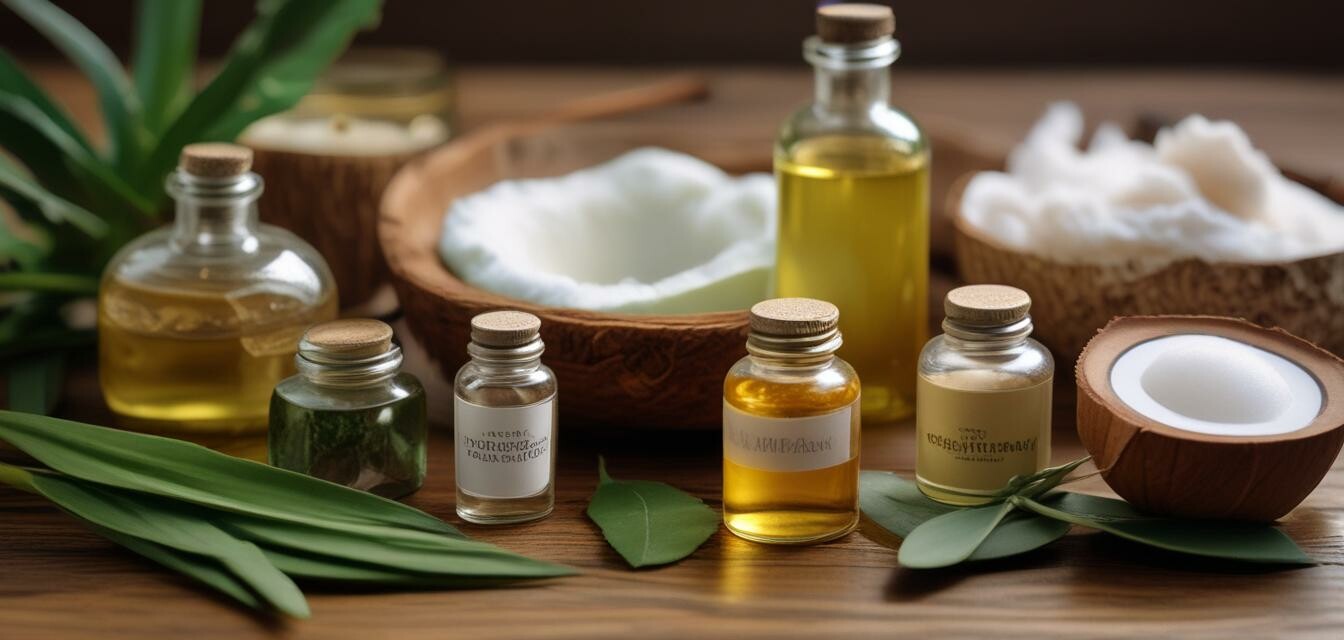
The Growth of DIY Skincare: Pros and Cons
Key Takeaways
- DIY skincare is gaining popularity, offering creative and cost-effective solutions.
- Benefits include customization and use of natural ingredients.
- Potential risks involve safety and effectiveness of unregulated products.
- It's crucial to conduct patch tests to avoid skin reactions.
- Consulting with skincare experts is recommended for tailored advice.
The trend of DIY skincare has surged in recent years as people seek more natural, customizable, and cost-effective solutions for their skin health. With the advent of numerous online tutorials and ingredient lists, enthusiasts are often experimenting in their kitchens. However, while there are certainly benefits to this approach, there are also potential risks worth considering.
The benefits of DIY skincare
DIY skincare products allow you to tailor treatments specifically to your skin's needs. Here are a few key benefits:
- Customization: You can create products based on your skin type, preferences, and specific concerns.
- Natural Ingredients: DIY skincare typically emphasizes the use of natural products, avoiding synthetic chemicals.
- Cost-Effective: Many DIY ingredients are inexpensive and readily available in your kitchen or local grocery store.
- Creative Outlet: Making your skincare can be a fun and satisfying hobby that allows for self-expression.
Customizable recipes
Here are some common DIY skincare recipes that enthusiasts enjoy:
| Recipe | Main Ingredients | Use |
|---|---|---|
| Face Mask | Honey, yogurt, and oatmeal | Moisturizing and gentle exfoliation |
| Body Scrub | Coconut oil and brown sugar | Exfoliating |
| Facial Toner | Aloe vera and rose water | Soothing and hydrating |
Potential downsides of DIY skincare
Although there are many advantages, it is important to consider the downsides of DIY skincare as well:
- Safety Concerns: Without professional guidance, it's easy to mix ingredients that may cause irritation or allergic reactions.
- Efficacy: Homemade products may lack the effectiveness of commercially formulated skincare products.
- Contamination Risks: Improper storage and handling can lead to contamination, posing risks to skin health.
- Time-Consuming: Preparing your skincare can be more labor-intensive than simply purchasing ready-made products.
Safety considerations
To ensure safe DIY skincare practices, consider the following:
- Conduct patch tests to check for allergic reactions.
- Research each ingredient thoroughly before use.
- Store homemade products in clean, airtight containers.
- Use fresh ingredients to minimize spoilage.
Pros
- Encourages creativity and experimentation.
- Promotes awareness of ingredient sourcing.
- Can be a fun bonding activity with friends or family.
- Flexible and adaptable based on seasonal trends.
Cons
- Possible lack of scientific knowledge.
- Risk of skin irritation or damage.
- Limited shelf life of homemade products.
- Difficulty in obtaining consistent results.
How to get started with DIY skincare
Are you interested in trying your hand at DIY skincare? Follow these steps to get started:
- Do Your Research: Learn about various ingredients and their effects on skin.
- Start Simple: Begin with basic recipes to build your confidence.
- Keep a Journal: Document your recipes, results, and any reactions to products.
- Join a Community: Connect with other enthusiasts to share tips and experiences.
Conclusion
The growth of DIY skincare is indicative of a larger trend toward natural and personalized skincare solutions. While it offers creative opportunities and cost savings, it's essential to stay informed about safety and efficacy. By weighing the pros and cons and taking a cautious approach, you can enjoy the benefits of DIY skincare while minimizing potential risks.
For further insights into the world of skincare, be sure to explore our other articles on Buying Guides and trends evolving in News in Dermatology.