
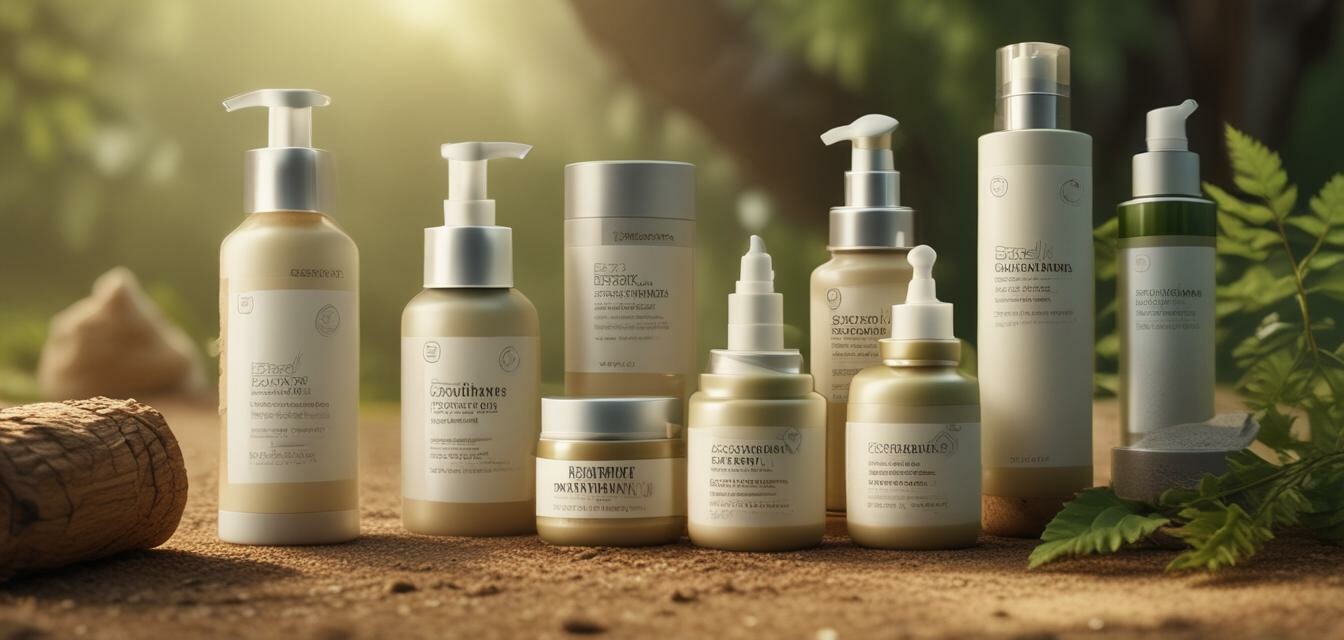
Sustainable Skincare Trends for 2024
Key Takeaways
- In 2024, sustainability is at the forefront of skincare trends.
- Eco-friendly ingredients and packaging are essential considerations.
- Personalized skincare solutions utilizing technology are gaining traction.
- The rise of clean beauty emphasizes the elimination of harmful chemicals.
- Natural and organic formulations are becoming increasingly popular.
As we move into 2024, the skincare industry is shifting dramatically towards sustainability. Eco-conscious consumers are more informed and demanding products that not only enhance their skin health but also lessen their environmental impact. Let's explore the emerging trends in sustainable skincare for the upcoming year, highlighting the products and practices that are shaping the dermatology field.
1. The rise of clean beauty
Clean beauty focuses on transparency, emphasizing the use of ingredients that are free from harmful substances. This trend promotes a more natural approach to skincare, ensuring products are safe for both the skin and the planet. Consumers are encouraged to look for brands that adhere to clean beauty standards.
Popular ingredients to look out for in clean beauty:
| Ingredient | Benefit |
|---|---|
| Jojoba Oil | Moisturizes without clogging pores |
| Aloe Vera | Soothes and hydrates |
| Shea Butter | Rich in vitamins for skin nourishment |
| Green Tea Extract | Antioxidant properties |
2. Eco-friendly packaging innovations
Brands are increasingly aware of their packaging choices. In 2024, more companies are expected to utilize recyclable, biodegradable, or refillable packaging options. This reduces waste and helps to promote a cleaner environment.
- Refillable containers for creams and serums
- Biodegradable materials for packaging
- Use of glass instead of plastic
3. Personalized skincare solutions
The integration of technology in skincare is leading to personalized products tailored to individual skin needs. With advancements in AI and skin analysis apps, consumers can now receive tailored advice on what products will work best for their unique skin type.
Experts suggest looking out for:
- App-based skin diagnostics
- Customized formulas based on skin analysis
- Subscription boxes for personalized routines
4. Transparency in ingredient sourcing
Consumers are taking a stand for ethically sourced ingredients. In 2024, brands that emphasize transparency about where their ingredients come from are likely to gain consumer trust and loyalty. Knowing the journey of the product from start to finish makes a difference.
5. The emphasis on natural and organic products
As awareness of harmful chemicals grows, so does the transition towards natural and organic skincare products. Ingredients originating from nature are favored for their perceived safety and effectiveness. Popular product categories include:
- Herbal remedies
- Natural oils and butters
- Organic botanical extracts
Conclusion
The skincare landscape for 2024 is poised to embrace sustainability like never before. From the rise of clean beauty to eco-friendly packaging and personalized skincare solutions, it's clear that consumers care about the impact their choices have on the world.
Beginners Section: How to choose sustainable skincare products
- Check for certifications like USDA Organic or cruelty-free.
- Research brand practices regarding sourcing and manufacturing.
- Opt for products with minimal and recyclable packaging.
- Read ingredient labels carefully to ensure they are clean and natural.
- Look out for brands that promote social responsibility.
Pros
- Supports environmental sustainability.
- Promotes healthier skincare routines.
- Encourages ethical consumption.
- Supports local and small-scale producers.
Cons
- Can be more expensive than conventional products.
- Availability may be limited.
- Some might find natural ingredients less effective for their skin.
As you navigate your skincare journey, consider embracing these sustainable trends for healthier skin and a healthier planet. To delve deeper into the world of dermatology, check out our comprehensive buying guides or stay updated with the latest in news in dermatology.
For more insights on skincare innovations, don’t miss our Trends in Skincare section!