
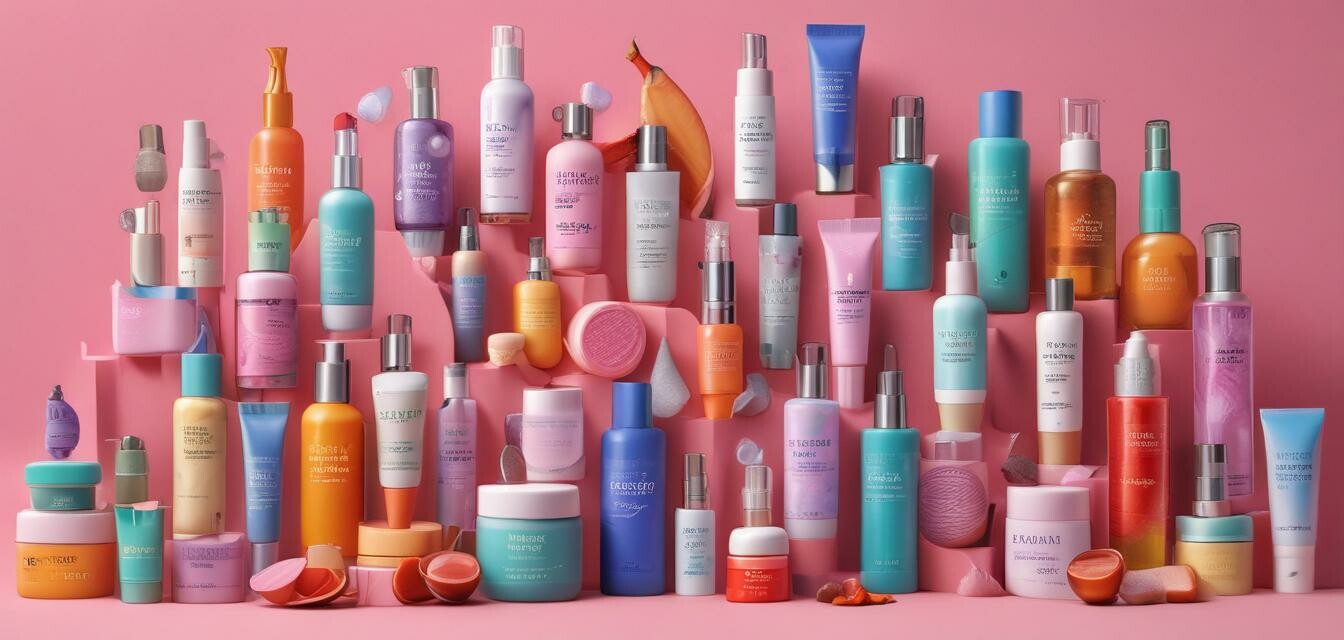
Exploring Gender Diversity in Skincare Marketing
Key Takeaways
- Gender diversity is transforming skincare marketing strategies.
- Inclusivity promotes a broader range of products catering to all skin types.
- Brands are shifting to embrace diverse gender representations in advertising.
- Consumer demand for inclusive beauty standards is on the rise.
- Understanding skincare trends helps brands reach wider audiences.
In 2025, the landscape of skincare marketing is evolving, with gender diversity taking center stage. This shift is not merely a trend; it's a pivotal force that shapes product development, advertising strategies, and consumer engagement. As the understanding of beauty standard definitions continues to broaden, brands are increasingly recognizing the importance of inclusivity. This article will delve deep into the ways gender diversity is influencing skincare marketing and what that means for the industry.
The importance of gender diversity in skincare marketing
Gender diversity in skincare marketing addresses the evolving demographics of consumers who seek products that cater to various skin types, tones, and concerns. This involves a commitment to inclusivity and a recognition of the multifaceted nature of beauty. The following aspects highlight the importance of gender diversity:
- Inclusive Products: Brands are developing products that meet the needs of all individuals, regardless of their gender. This includes a range of moisturizers, cleansers, and serums formulated for different skin types.
- Diverse Representation: Skincare advertising now features individuals from various gender identities, promoting a sense of relatability and trust among consumers.
- Consumer Expectations: Modern consumers demand transparency and inclusivity from brands, driving companies to adopt more diverse marketing strategies.
How gender diversity influences product development
As brands embrace gender diversity, the product development cycle includes considerations for various skin needs. This shift influences multiple aspects:
| Aspect | Traditional Approach | Diverse Approach |
|---|---|---|
| Product Formulation | Gender-specific formulations | Gender-neutral, versatile formulations |
| Advertising Campaigns | Gender-specific advertising | Inclusive campaigns featuring diverse models |
| Brand Messaging | Focused on a narrow target audience | Broadened messaging to resonate with a wider audience |
Current skincare trends influenced by gender diversity
Today's market presents various trends that reflect the importance of gender diversity in skincare. Here are some notable trends:
- Gender-neutral packaging: Brands are adopting packaging designs that are less stereotypically gendered, appealing to all consumers.
- Customizable skincare routines: Offering tailored skincare regimens that cater to an individual’s unique skin needs, irrespective of gender.
- Educational campaigns: Companies are launching initiatives that educate consumers about skincare across different genders, demystifying how diverse skin types respond to various products.
Case studies of successful gender-inclusive brands
Several brands have successfully integrated gender diversity into their marketing strategies. Here are a few shining examples:
| Brand | Key Strategy | Impact |
|---|---|---|
| Brand A | Inclusive advertising campaigns featuring gender-diverse models | Increased customer trust and engagement |
| Brand B | Launch of gender-neutral skincare lines | Expanded market reach and demographic appeal |
| Brand C | Focus on diverse skin types in product development | Increased sales and customer satisfaction |
The role of social media in promoting gender diversity
Social media platforms play a pivotal role in advancing conversations around gender diversity in skincare:
- Empowering voices: Influencers and consumers can share their experiences, pushing for brands to adopt inclusive practices.
- Shaping trends: The rapid dissemination of ideas creates immediate pressure for brands to align with current consumer expectations.
- User-generated content: Consumers are now actively participating in marketing by creating content that showcases their skincare routines and products.
Conclusion
The future of skincare marketing is undeniably intertwined with the principles of gender diversity and inclusivity. As brands adapt to meet the rising consumer demand for authenticity, those that prioritize diverse representation will not only thrive but also cultivate loyalty among consumers. By focusing on inclusivity in both product development and advertising, skincare brands can ensure they remain relevant in a continuously evolving market.
Tips for consumers
- Research brands committed to gender diversity in their products and marketing.
- Look for inclusive product lines that cater to a broad range of skin types.
- Engage with communities discussing gender diversity in beauty to gain insight into new products and trends.