
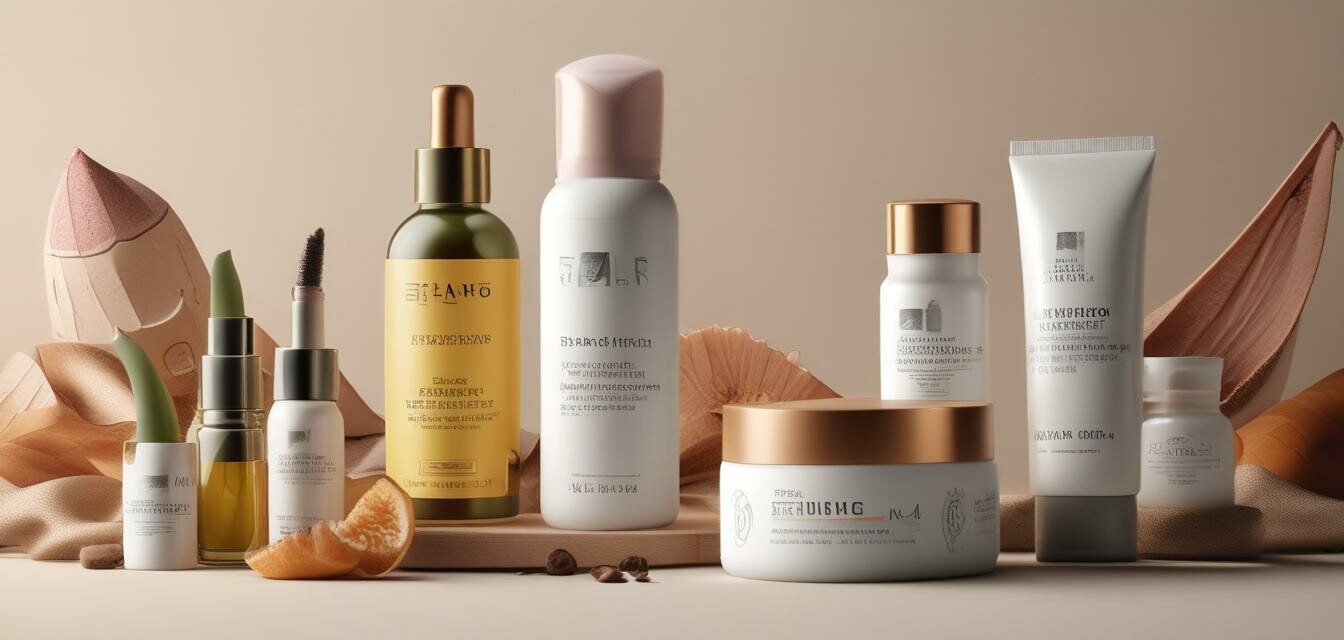
Cultural Influences on Skincare Innovations
Key Takeaways
- Global cultural practices are shaping innovative skincare products.
- Tradition and modern science create effective skincare routines.
- Ingredients from different cultures enhance skincare effectiveness.
- Personalized skincare is becoming a trend influenced by cultural practices.
- Understanding these influences helps consumers choose appropriate products.
In 2025, skincare innovations are taking a fascinating turn, as cultural practices from various parts of the globe gracefully blend with modern science. This dynamic fusion is not only transforming how we perceive skincare but also how we approach daily routines. From ancient rituals to contemporary sustainability efforts, the impact of diverse cultural elements is more pronounced than ever. In this article, we will explore the key cultural influences that are shaping skincare innovations today and how they contribute to the creation of effective products.
The role of tradition in modern skincare
Cultural heritage plays a significant role in shaping our skincare routines. Many consumers are now looking for ways to incorporate traditional elements into their daily practices. Here are some prominent traditional elements that are gaining popularity:
| Culture | Traditional Product/Technique | Modern Skincare Application |
|---|---|---|
| Korean | Double cleansing | Incorporated in many routines for deep cleansing and makeup removal. |
| Japanese | Rice water | Used as a toner for its brightening properties. |
| Indian | Turmeric masks | Added to modern formulations for its potential antioxidant benefits. |
| Middle Eastern | Argan oil | Now featured in many skincare products for its moisturizing properties. |
Innovative product formulations inspired by culture
The international beauty market continues to witness a surge in demand for innovative products that reflect cultural heritage. Here are some examples of how cultural influences are translating to skincare product advancements:
- Herbal ingredients: The use of traditional herbs and plants, such as neem from India or ginseng from Korea, is becoming a trend in modern formulations.
- Fermentation techniques: Inspired by Japanese skincare, the fermentation process is being used to enhance the efficacy of certain ingredients.
- Natural oils: Emphasized in African and Asian cultures, the use of various natural oils is becoming a staple in many skincare routines.
- Eco-friendly packaging: Many brands are choosing sustainable packaging inspired by traditional practices that respect nature.
The significance of personalized skincare
As cultural influences increase in the skincare market, personalized routines are becoming more prevalent. Consumers now seek products tailored to their specific skin types and concerns, taking cues from global beauty rituals. Here are some aspects of personalized skincare influenced by culture:
| Aspect | Traditional Influence | Modern Interpretation |
|---|---|---|
| Skin types | Regional climate adaptations | Customized products for unique climates impacting skin conditions. |
| Rituals | Lengthy traditional routines | Shorter, focused regimes that incorporate targeted ingredients. |
| Ingredients | Locally sourced natural components | Formulated products with exotic, beneficial ingredients from various cultures. |
| Application techniques | Cultural application methods | Incorporating traditional methods like massage into application routines. |
Adapting to the clean beauty movement
The clean beauty movement is a significant trend that intersects with cultural influences in skincare. Many traditional practices emphasize the use of natural ingredients, aligning well with modern preferences for clean products. Here are some key factors driving this adaptation:
- Ingredient transparency: Modern consumers demand to know what is in their skincare products, fueling a trend toward clean labeling.
- Natural remedies: Consumers are showing interest in time-honored natural remedies from various cultures, leading to increased innovation in the skincare space.
- Minimalism: Inspired by Japanese skincare philosophy, there is a growing trend toward minimalistic approaches, reducing the number of products used.
Future outlook: Where cultural influences are headed
The future of skincare is bright as cultural influences continue to inspire innovations. Several trends are anticipated to gain momentum, including:
- Fusion products: A blend of ingredients from multiple cultures could become a standard, offering users various benefits in a single product.
- Technological advancements: The incorporation of beauty technology, such as personalized skin analysis tools, to enhance traditional practices will likely emerge.
- Social media influence: As social platforms promote international beauty standards, consumers will increasingly seek cross-cultural skincare solutions.
Pros
- Greater access to diverse and effective ingredients.
- Innovation leads to enhanced product effectiveness.
- Personalized skincare routines cater to individual skin needs.
- Encourages sustainable practices through traditional knowledge.
Cons
- Diversification may lead to confusion over product selection.
- Some traditional practices may not suit modern skin types.
- Potential for cultural appropriation concerns.
In conclusion, cultural influences are profoundly shaping skincare innovations in 2025. By embracing traditional practices and incorporating modern science, the industry is continuously evolving. As consumers become more aware of these trends, they can make informed choices about which products align best with their skincare needs.
For more insights into skincare innovations, check out our trends in skincare category or explore specific skincare essentials that are making waves in the industry.
Final thoughts
As we move toward a more culturally rich and diverse skincare landscape, understanding these influences will empower consumers to enhance their routines and overall skin health. With a keen eye on tradition combined with scientific advancements, the future of skincare is undeniably exciting.