
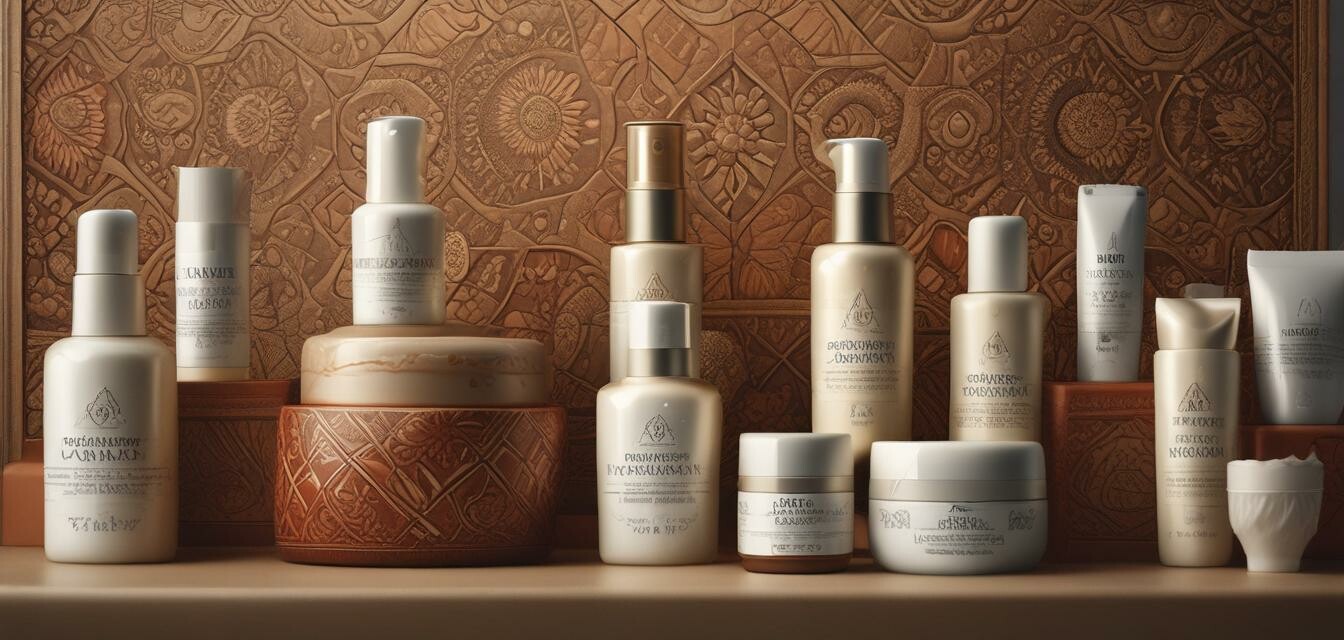
Cultural Influences on Global Skincare Routines
- Skincare routines vary significantly across different cultures.
- Traditional ingredients play a crucial role in many cultures' skincare practices.
- Cultural beliefs and dietary habits influence skincare rituals and product choices.
- The rise of globalization has led to the blending of skincare practices.
Skincare routines are as diverse as the cultures from which they originate. Each tradition brings its unique practices and ingredients to the table, influenced by local resources, climate, and beliefs about beauty and health. In this article, we'll explore how different cultures shape skincare routines around the world, highlighting some intriguing practices and their benefits.
The significance of skincare in different cultures
Skincare is more than a beauty routine; it often carries deep cultural significance. Many cultures prioritize skincare as an essential part of daily life, reflecting values of cleanliness, beauty, and self-care. Below is a comparison of skincare practices from various cultures:
| Culture | Skincare Practices | Key Ingredients |
|---|---|---|
| Japanese | Double cleansing followed by layering serums and moisturizers. | Rice, matcha, sake, and camellia oil. |
| Korean | Multi-step routines, including essences, serums, and sheet masks. | Snail mucin, ginseng, and green tea. |
| Indian | Using natural remedies and herbs daily. | Turmeric, aloe vera, and neem. |
| Brazilian | Use of oils and moisturizing creams, often influenced by outdoor activities. | Açaí, coconut, and palm oil. |
Unique practices from global cultures
Japanese skincare traditions
Japanese skincare is renowned for its meticulous approach. The tradition often incorporates various natural ingredients, focusing on hydration and protection. The practice of double cleansing is integral, helping to remove impurities while treating the skin gently.
Korean beauty rituals
The Korean skincare routine is often known for its extensive multi-step regimen, which can include up to ten different applications. Key components include essences, which are fermented liquid treatments designed to improve skin texture and hydration.
Indian herbal practices
In India, skincare often utilizes traditional herbs and natural remedies. Ingredients like turmeric are used not only for their beauty benefits but also for their cultural significance, as they are believed to purify and protect the skin.
Brazilian skincare influence
Brazilian skincare reflects the country's vibrant and active lifestyle. Products often incorporate tropical fruits and natural oils to maintain hydration and elasticity. The importance of body care is also prevalent in Brazilian beauty routines.
What can we learn from global skincare trends?
In recent years, cultural practices from around the world have begun to influence and shape the global skincare market. The incorporation of unique ingredients and techniques from various traditions has resulted in innovative products that cater to diverse skin types.
- The focus on hydration and nourishment is a common theme across cultures.
- Natural ingredients are being embraced with the rise of clean beauty.
- Multi-step routines are increasingly popular among consumers.
To explore more about these captivating trends, check out our article on trends in skincare.
Impact of globalization on skincare
The world of skincare has experienced a surge of globalization, where various cultural practices and products blend into mainstream beauty. Many Western brands now adopt Asian beauty rituals, showing a growing appreciation for their effectiveness and innovation. This influence is evident in trends such as:
- Sheet masks: Originally a Korean trend, these have become a staple in many skincare routines worldwide.
- Oil cleansing: Adopted from Japanese practices, it emphasizes gentle yet effective cleansing.
- Herbal ingredients: A wider acceptance of traditional ingredients from various cultures has led to their growing popularity.
Tips for incorporating cultural practices into your skincare routine
- Research different cultural skincare rituals and ingredients.
- Experiment with layering products to find what works best for your skin.
- Choose natural ingredients that suit your skin type.
- Be open to trying new products and techniques from various cultures.
Pros
- Access to a wide variety of effective skincare practices.
- Incorporation of natural ingredients that promote skin health.
- Increased awareness and appreciation of global cultures.
Cons
- Possible skin reactions to unfamiliar ingredients.
- Difficulties in sourcing specific cultural products.
- Overwhelming choices can lead to confusion in skincare decisions.
Conclusion
The diverse world of skincare reflects our global community’s rich tapestry of cultures. Each culture contributes unique practices that emphasize natural ingredients and time-honored techniques. By exploring and incorporating these traditions into our routine, we can enhance our skin’s health while celebrating global diversity.
For more detailed insights into the ever-evolving world of skincare, visit our news in dermatology section.