Updates on Rosacea Treatment Methods
Key Takeaways
- Rosacea treatments range from topical options to laser therapies.
- Recent advancements include new medications and innovative procedures.
- Proper skincare routines play a vital role in managing rosacea symptoms.
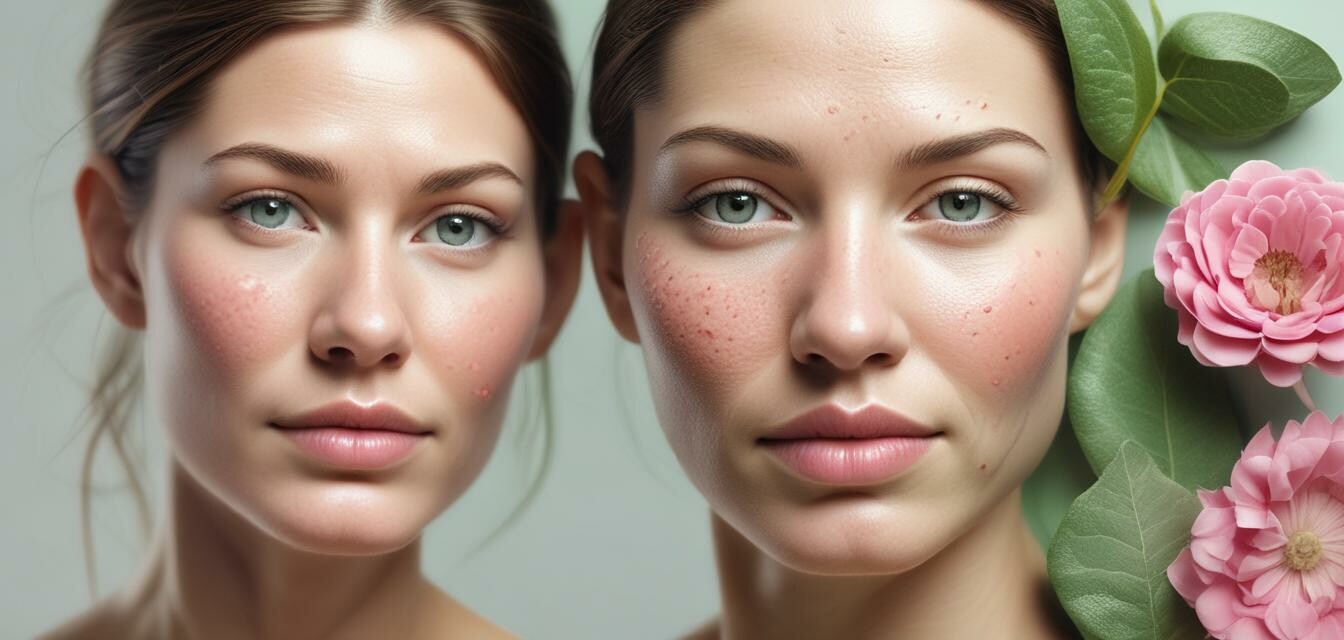
Rosacea is a chronic skin condition that affects millions of people around the world, causing redness, visible blood vessels, and sometimes acne-like bumps. This article presents the latest updates on treatments available for rosacea, covering both traditional and emerging methods that dermatologists are utilizing to help patients manage this often frustrating condition.
Understanding Rosacea
Rosacea is more than just a skin condition; it can impact self-esteem and quality of life. Understanding the triggers and symptoms is crucial for effective management. Common symptoms of rosacea include:
- Facial redness
- Visible blood vessels
- Bumps and pimples
- Dry, flaky skin
Common Triggers
Identifying and avoiding triggers plays a significant role in managing rosacea. Some of the common triggers include:
- Sun exposure
- Hot beverages
- Spicy foods
- Stress
- Temperature changes
Treatment Options for Rosacea
Treatment for rosacea varies widely based on individual symptoms and the severity of the condition. Below, we present several methods, from traditional therapies to newer approaches.
| Treatment Method | Description | Best For |
|---|---|---|
| Topical Treatments | Over-the-counter and prescription creams and gels. | Individuals with mild to moderate rosacea. |
| Oral Medications | Prescription antibiotics or anti-inflammatory medications. | Moderate to severe rosacea. |
| Laser Therapy | Uses concentrated light to reduce redness and visibility of blood vessels. | Individuals with significant redness or visible veins. |
| Photodynamic Therapy | A combination of light and a photosensitizing agent to treat lesions. | Individuals with persistent bumps and pimples. |
| Skincare Routine Adjustments | Daily use of gentle cleansers and moisturizers. | All types of rosacea sufferers. |
Topical Treatments
Topical treatments are often the first line of defense for those with mild to moderate symptoms. Over-the-counter creams can help soothe the skin and reduce redness. Prescription treatments typically include:
- Metronidazole
- Azelaic acid
- Ivermectin
Oral Medications
Oral medications may be prescribed for patients with more severe symptoms. Common medications include:
- Tetracycline
- Doxycycline
The Role of Laser Therapy
Laser therapy has become increasingly popular thanks to its effectiveness in reducing visible blood vessels and redness. Many patients report visible results after just a few sessions.
Innovative Approaches in Rosacea Treatment
Recent advancements in dermatology have led to new treatment options. Some innovative methods include:
- New pharmaceuticals tailored to patient needs
- Combination therapies that address multiple symptoms
- Research into holistic treatments that focus on diet and lifestyle
Pros
- Diverse treatment options available to cater to individual needs
- Recent advancements enhancing effectiveness and reducing side effects
- Improvement in quality of life for many patients
Cons
- Some treatments may be costly or inaccessible
- Effectiveness varies from person to person
- Possible side effects from medications
Best Practices for Skin Care
In addition to clinical treatments, a tailored skincare routine can significantly impact rosacea management. Consider the following practices:
- Use a gentle cleanser that does not irritate the skin.
- Apply a moisturizer suitable for sensitive skin.
- Incorporate sun protection as part of your daily routine.
- Keep a diary to track any flare-ups related to products or foods.
Tips for Managing Rosacea
- Avoid known triggers whenever possible.
- Maintain a consistent skincare routine.
- Consult with a dermatologist regularly for personalized advice.
- Stay informed about the latest treatments and research.
Conclusion
In summary, the landscape of rosacea treatment is evolving, providing hope to those affected by this condition. From traditional therapies to new, innovative approaches, there are options available that can help manage symptoms effectively. Engaging in open discussion with healthcare providers and staying informed about emerging treatments can empower individuals in their journey towards skin health. For more insights on managing skin conditions, visit our Buying Guides and keep up with News in Dermatology.