
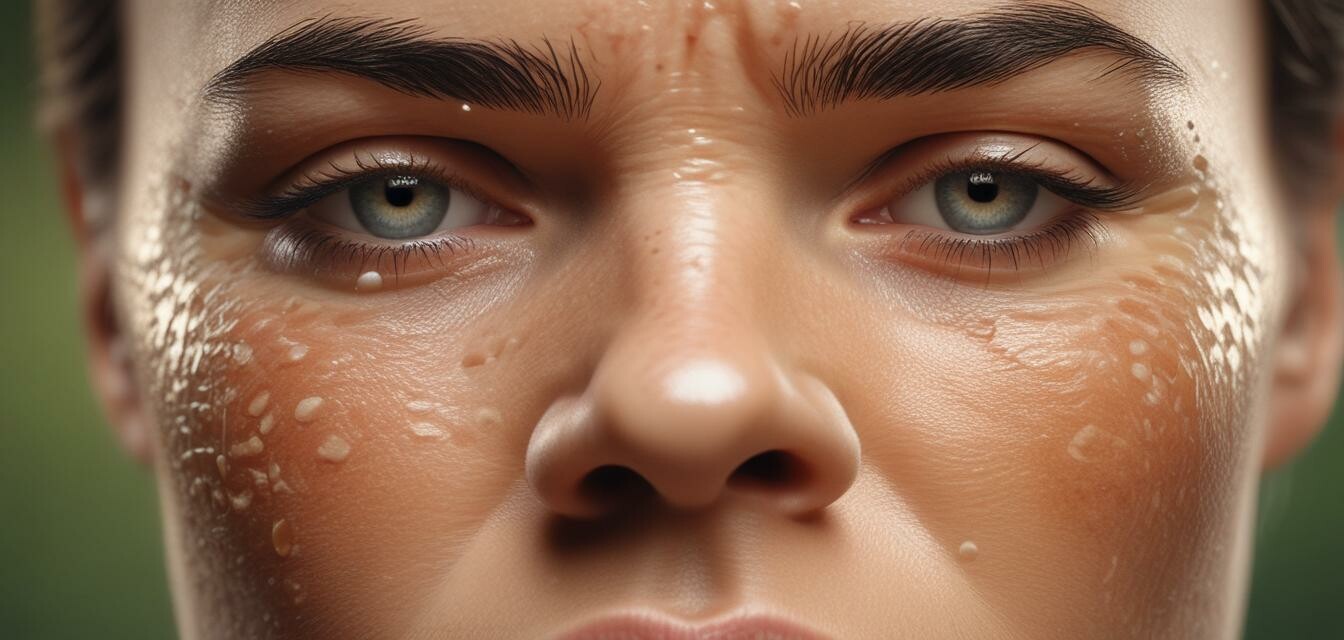
Understanding the Impact of Stress on Skin
Key Takeaways
- Stress can lead to various skin issues, including acne and eczema.
- Effective stress management strategies can have a positive impact on skin health.
- Consultation with dermatologists is essential for personalized skincare advice.
- Maintaining a balanced skincare routine is important for overall skin health.
- Staying informed about advancements in dermatology can aid personal care practices.
Stress is an inherent part of life. From work pressures to personal challenges, everyone experiences stress at various levels. However, the implications of stress extend beyond mental health; they also manifest physically, particularly in our skin. Understanding the connection between stress and skin health is vital. In this article, we explore insights shared by dermatologists on how stress affects the skin and practical strategies to manage its impact.
The connection between stress and skin health
Stress triggers the body's fight-or-flight response, which releases hormones like cortisol. While this hormonal response is natural, when stress becomes chronic, it can lead to health issues, including skin-related problems. Here are some key insights:
| Skin Issue | Cause | Potential Solutions |
|---|---|---|
| Acne | Increased oil production from cortisol | Maintain a balanced skincare routine |
| Eczema | Weakened skin barrier due to stress | Hydration and topical treatments |
| Rosacea | Flare-ups due to emotional stress | Identify triggers and proper skincare |
| Psoriasis | Inflammation exacerbated by stress | Consultation with dermatologists |
Understanding stress-induced skin reactions
Different individuals may react differently to stress. The effects can vary based on genetic factors, lifestyle, and environmental influences. The following skin reactions are commonly reported:
- Increased Sensitivity: Stress can make the skin more sensitive and reactive, leading to redness or irritation.
- Breakouts: Elevated hormone levels can result in clogged pores, leading to acne breakouts.
- Delayed Healing: Chronic stress may hinder the body’s ability to heal wounds, causing longer-lasting skin issues.
- Changes in Skin Texture: The skin may appear dull or uneven due to stress-induced inflammation.
Strategies to manage stress and protect your skin
Effective management of stress can lead to improved skin health. Here are some practical strategies to consider:
Tips for beginners
- Practice mindfulness meditation to reduce stress levels.
- Incorporate physical exercise into your routine to release endorphins.
- Maintain a balanced diet rich in antioxidants to support skin health.
- Develop a regular sleep schedule to improve body recovery.
- Consult a dermatologist for personalized skincare products.
Consulting dermatologists
If skin issues persist, it's essential to consult a dermatology professional. They can provide tailored advice and recommend products suited for stress-related skin problems. Dermatologists can also keep you informed about the latest advancements in dermatology that could benefit your skincare routine.
Pros
- Understanding stress impacts allows for targeted skincare.
- Proactive stress management can lead to overall improved skin health.
- Access to dermatological expertise can enhance knowledge of skin care.
Cons
- Managing stress takes time and commitment.
- Professional consultations may incur costs.
- Not all skin reactions may be stress-related.
Staying informed
Keeping up with the latest news in dermatology can empower consumers with essential knowledge to manage their skincare better. Our trends in skincare blog section provides updates, research findings, and product information that can help guide your skincare journey.
Conclusion
In conclusion, understanding the impact of stress on skin health is crucial. By adopting effective stress management strategies and consulting with dermatology professionals, you can mitigate stress-related skin issues. Stay informed about advancements through our buying guides and optimize your skincare routine by integrating new knowledge. Remember, the connection between stress and skin is profound, and managing both is vital for overall well-being.