
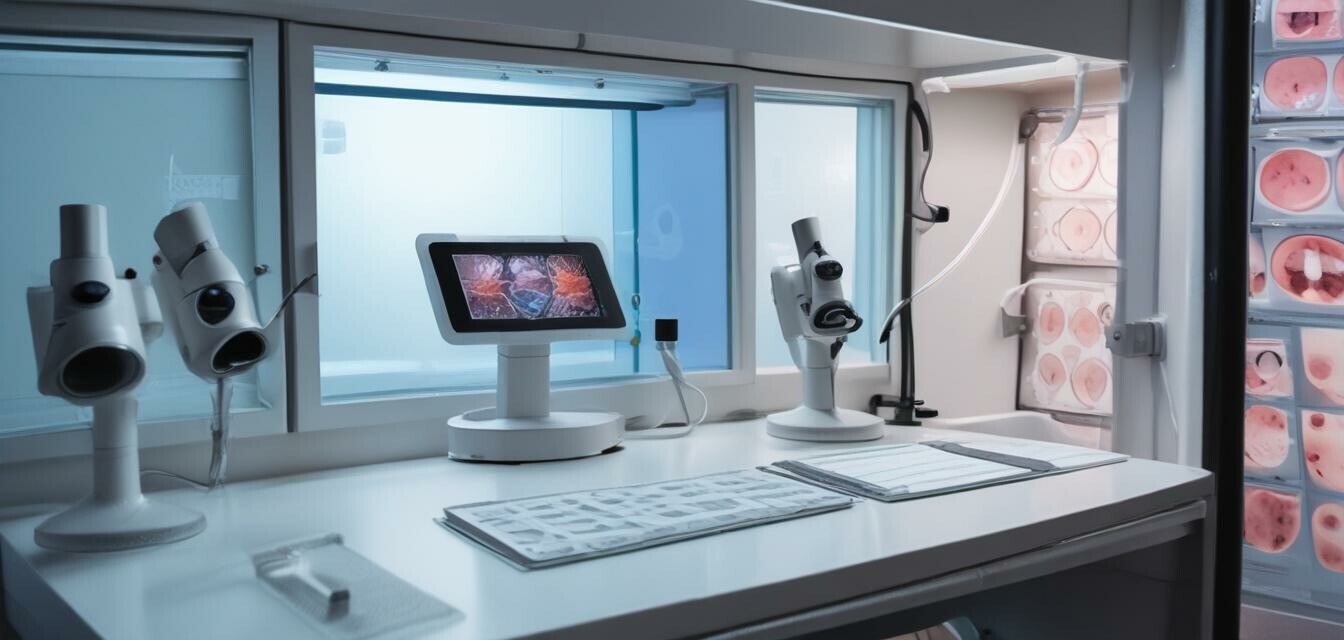
Understanding skin cancer detection advancements
Key takeaways
- Improved imaging technologies enhance early detection of skin cancer.
- AI is playing a crucial role in analyzing skin lesions.
- Teledermatology expands access to dermatological consultations.
- Collaboration between researchers and clinicians drives innovation.
- Awareness and education remain essential in prevention and detection.
The field of dermatology is undergoing a significant transformation, especially concerning skin cancer detection. With the rise of innovative technologies and methods, the approach to diagnosing skin cancer has never been more efficient. This article explores the most exciting advancements in skin cancer detection, highlighting how they improve diagnostics and patient outcomes.
The role of technology in skin cancer detection
Technology has played a pivotal role in revolutionizing skin cancer detection. Here are some advanced technologies currently improving diagnostic capabilities:
| Technology | Description | Benefits |
|---|---|---|
| Digital Dermatoscopy | A device that magnifies and highlights skin lesions, providing clear imaging. | Allows for better visualization of moles and spots. |
| Artificial Intelligence (AI) | Software that analyzes images of skin lesions to detect anomalies. | Increases accuracy and speed of diagnosis. |
| Teledermatology | Remote consultations conducted using digital tools. | Broadens access to expert opinions and screenings. |
| Genomic Testing | Tests that analyze the genetic makeup of skin lesions. | Helps in understanding the risk of malignancy. |
AI in skin cancer detection
Artificial intelligence has emerged as a game-changer in the realm of diagnostics. By utilizing machine learning algorithms, AI can analyze vast amounts of data and images. Here’s how AI is enhancing skin cancer detection:
- Image Recognition: AI can recognize patterns in dermatological images that may be indicative of skin cancer.
- Predictive Analysis: Helps in predicting the behavior of certain skin lesions over time.
- Augmented Diagnostic Support: Supports dermatologists by providing a second opinion on suspicious lesions.
Collaborative research and innovation
Research and innovation in dermatology are fuelled by collaboration between various stakeholders, including academics, clinicians, and technology developers. Here are key areas where collaboration is driving advancements:
- Joint Research Initiatives: Multi-disciplinary teams work together on clinical trials and studies.
- Community Awareness Programs: Educating the public on skin cancer signs and self-examination techniques.
- Development of New Tools: Creating innovative devices and software that focus on early detection.
Challenges and the way forward
Despite the advancements in skin cancer detection, challenges remain:
- Access to Technology: In many regions, cutting-edge technologies are still unavailable.
- Training for Healthcare Professionals: Continuous education is essential to keep practitioners updated on new tools.
- Patient Awareness: It's crucial to increase awareness about skin cancer and promote regular screenings.
Future perspectives
The future of skin cancer detection holds immense promise. As technology continues to evolve, incorporating AI, improved imaging techniques, and broader teledermatology services, we can expect even more accurate and timely diagnoses. Whether through routine self-examinations or professional screenings, awareness remains the cornerstone of effective skin cancer prevention.
Conclusion
The integration of advanced technologies into skin cancer detection is a significant leap forward in dermatology. With enhanced diagnostic tools, AI support, and collaborative efforts, the future looks optimistic for early detection and better patient outcomes. The more we understand these advancements, the better equipped we are to navigate the complexities of skin health.
Pros
- Enhanced detection rates through advanced imaging technologies.
- Increased accessibility to dermatology services via teledermatology.
- Improved diagnostic certainty with the aid of AI analysis.
Cons
- High costs associated with advanced technologies.
- Need for continuous training and updates for healthcare professionals.
- Technology accessibility issues in rural areas.
Learn more about dermatology
For further reading on related subjects, check out our Buying Guides section for valuable insights on dermatology products. Stay informed about the latest trends in skincare and discover tools used in dermatology for better care. For updates on news in dermatology, our blog is a great resource.