
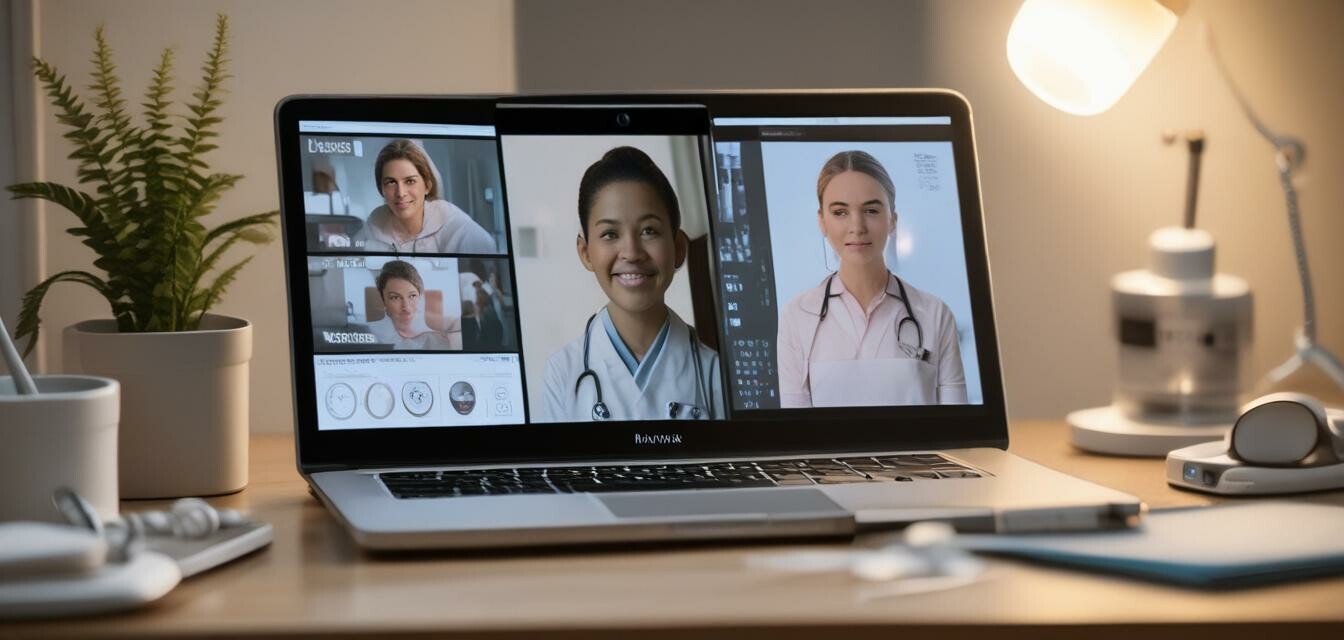
The Importance of Telehealth in Dermatology
- Telehealth has significantly improved access to dermatological care.
- It offers convenience for patients with mobility issues or those in remote areas.
- Telehealth enhances patient-dermatologist communication.
- New advancements are expected to shape telehealth's future in dermatology.
- It can potentially reduce healthcare costs for patients.
As we transition into a new era of healthcare, the integration of technology in various medical fields has become increasingly prominent. Particularly, the role of telehealth in dermatology has evolved notably post-2025, changing the way patients access dermatological services. This article will delve into the importance of telehealth in dermatology, highlighting its benefits and how it is revolutionizing patient care.
What is telehealth?
Telehealth refers to the delivery of health-related services and information via telecommunications technologies. It enables patients to receive care remotely, which is especially crucial in dermatology due to the vast array of skin conditions that can be assessed and treated without the need for in-person visits.
Telehealth in dermatology: A growing trend
The increasing adoption of telehealth services in dermatology can be attributed to several factors:
- Increased demand: Patients are seeking accessible and efficient healthcare solutions.
- Technological advancements: Enhanced video conferencing tools have improved the quality of virtual consultations.
- Public health necessity: The COVID-19 pandemic accelerated telehealth adoption, and its benefits have been recognized beyond emergency situations.
Benefits of telehealth in dermatology
| Benefit | Description |
|---|---|
| Improved access to care | Patients in remote or underserved areas can receive immediate consultations without travel. |
| Cost-effectiveness | Telehealth can reduce costs associated with in-person visits, including travel and time away from work. |
| Convenience | Patients can schedule appointments that fit their needs, eliminating long wait times. |
| Enhanced patient education | Video consultations can allow dermatologists to visually demonstrate skin care techniques. |
| Greater follow-up | Regular follow-ups can be easily facilitated through telehealth, improving treatment adherence. |
Changing patient access to care
One of the most significant impacts of telehealth in dermatology is the change in patient access to care. Here are a few points that illustrate this transformation:
- Patients can consult with specialists from anywhere in the world. If you want to explore further, check out our Buying Guides for tips on effective skincare solutions.
- Telehealth reduces the burden on healthcare facilities, allowing for more resources to be allocated to urgent cases.
- People with disabilities or mobility issues can receive care more easily, promoting inclusivity in healthcare.
- The option for immediate assessments expedites treatment planning.
Pros
- Extended access to specialists.
- Flexible scheduling options.
- Reduced wait times for consultations.
- Increased comfort for patients during consultations.
Cons
- Limitations for certain diagnostic procedures requiring in-person visits.
- Potential technology barriers for some patients.
- Privacy concerns regarding digital platforms.
The future of telehealth in dermatology
As technology continues to advance, the possibilities for telehealth in dermatology are expanding. Here are some anticipated trends:
- Integration of AI: Artificial Intelligence may facilitate more accurate assessments during virtual consultations.
- Wearable technology: Devices connected to telehealth platforms could enable real-time monitoring of skin conditions.
- Increased collaboration: Dermatologists and primary care providers may develop integrated care models leveraging telehealth.
Innovative trends aim to enhance patient outcomes and make skin health management more accessible, so investing time in understanding these changes is essential. Read more about recent advancements in the field that impact your skincare decisions.
Conclusion
Telehealth has become an essential part of dermatology, offering numerous benefits for patients seeking efficient and accessible care. With ongoing technological advancements, the future looks promising as telehealth continues to reshape the landscape of dermatological services.
For anyone interested in the broader implications of dermatological practices and how they adapt to current events, check our page on Cosmetic Dermatology for insights.