
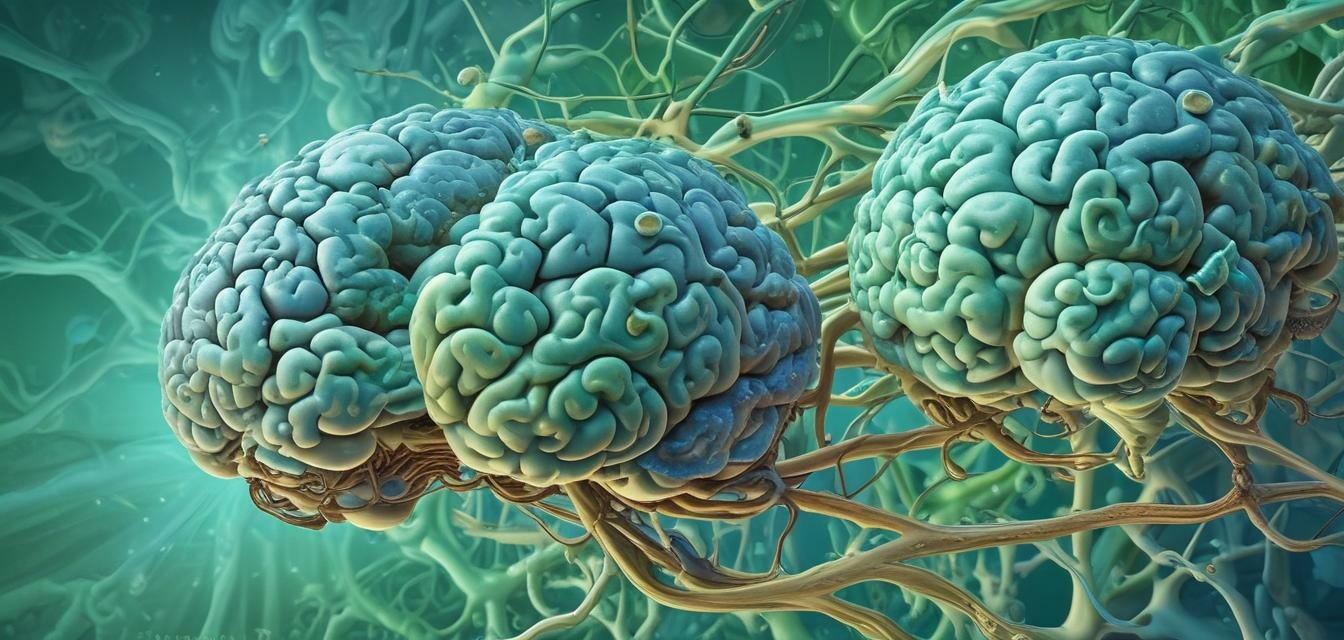
The Impact of Mental Health on Skin Conditions
Key Takeaways
- Mental health significantly affects skin conditions such as acne, eczema, and psoriasis.
- Stress can cause skin flare-ups, exacerbating existing conditions.
- Emotional well-being plays a crucial role in effective skincare routines.
- Collaborative approaches between psychology and dermatology are emerging.
- Understanding the mind-skin connection can lead to better treatment outcomes.
Understanding the connection between mental health and skin conditions is a growing area of interest in both dermatology and psychology. Recent research and clinical experiences underline how our mental and emotional states can manifest physically, particularly on our skin. This article delves into the intricate relationship between mental well-being and various skin issues, providing insights into how this connection can impact treatment and care strategies.
The mind-skin connection
The relationship between mental health and skin conditions stems from the complex interactions between our emotional states and physiological responses. Stress, anxiety, and depression can lead to increased inflammation and hormonal changes that may worsen skin conditions. Here’s how mental health can affect the skin:
| Mental Health Condition | Possible Skin Effects |
|---|---|
| Stress | Acne flare-ups, psoriasis, eczema |
| Anxiety | Hives, rashes |
| Depression | Dry skin, delayed wound healing |
| Low Self-esteem | Exacerbation of existing skin conditions |
Common skin conditions linked to mental health
Different skin conditions can exhibit a strong link to mental health issues. Some of the most notable can include:
- Acne: Emerging studies show heightened acne severity in individuals facing stress and anxiety.
- Psoriasis: Mental stress is known to trigger flare-ups in psoriasis patients.
- Eczema: This skin condition can worsen with psychological distress.
- Rosacea: Stress may contribute to flare-ups of this chronic skin inflammation.
Psychological triggers and skin health
Several psychological factors can serve as triggers for skin health issues:
- Stress: Heightened stress levels influence the body's response, leading to inflammation.
- Emotional Trauma: Events causing significant emotional distress may manifest as skin conditions.
- Social Anxiety: Fears of social interaction can increase skin self-consciousness, worsening existing issues.
- Low Self-esteem: Individuals with low self-esteem often fall into negative cycles affecting their skin health.
Collaborative approaches in treatment
Increasingly, healthcare providers are recognizing the need for collaborative strategies between dermatology and psychology. Here are some innovative approaches:
| Collaboration Approach | Description |
|---|---|
| Integrated Care | Combining dermatology and mental health treatments for holistic care. |
| Mindfulness Practices | Incorporating mindfulness and meditation to reduce stress, which can alleviate skin issues. |
| Cognitive Behavioral Therapy (CBT) | Using CBT to help patients address anxiety and depression linked to skin concerns. |
| Group Therapy | Allowing those with similar skin conditions to share experiences and coping strategies. |
Improving mental health for better skin
Cultivating better mental health can lead to remarkable improvements in skin conditions. Here are practical tips:
Tips for better mental health and skin
- Engage in regular physical activity.
- Practice relaxation techniques like yoga or deep breathing.
- Prioritize good sleep hygiene.
- Maintain a supportive social network.
- Consult with healthcare professionals for ongoing management of both mental and skin health.
Conclusion
The interplay between mental health and skin conditions is profound, showing a clear need for integrating psychological aspects into dermatological care. By acknowledging the psychological factors influencing skin health, both patients and practitioners can work toward more effective treatment plans that encompass both mind and body. This holistic approach empowers individuals to take charge of their overall well-being, leading to healthier skin and improved mental health.
For more insights into how to improve your skincare routine and learn about the latest advancements in the buying guides or trends in skincare, visit our blog sections. Understanding the connection between dermatology and mental health can open new doors for effective treatments and valuable self-care practices. Stay informed with our coverage on news in dermatology as we delve into the latest findings and innovations.