
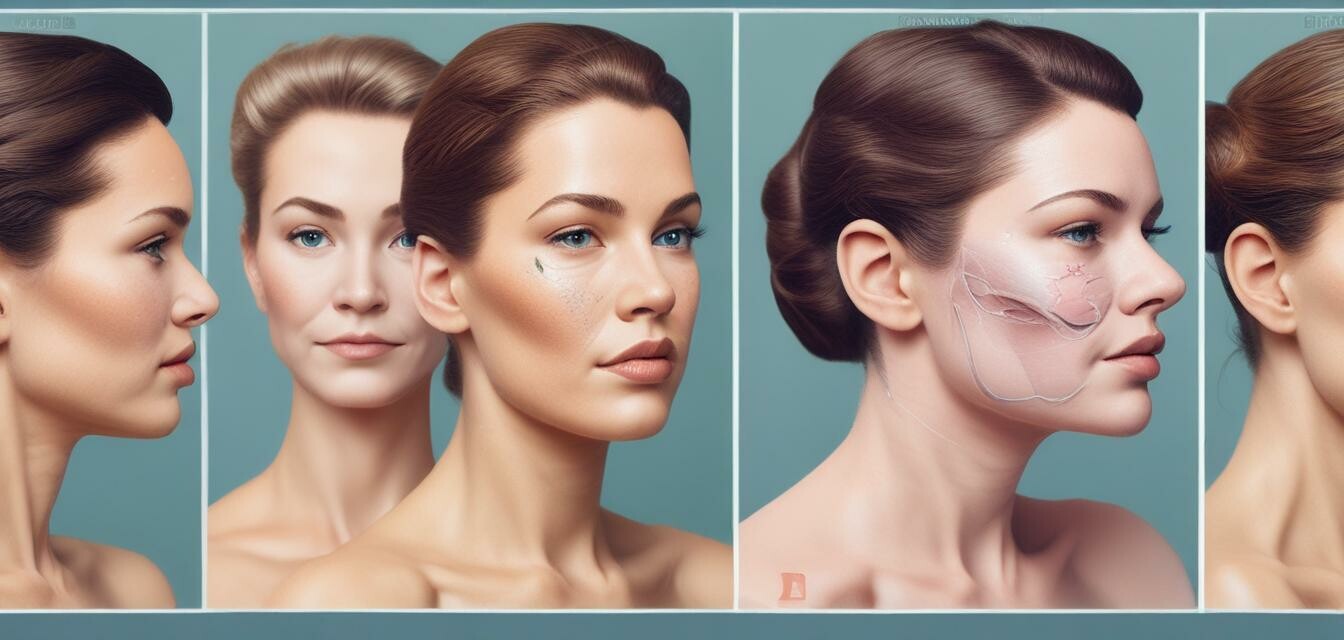
The Evolution of Cosmetic Procedures
Key Takeaways
- Cosmetic procedures have become more advanced and varied over the years.
- Trends shift towards less invasive options, focusing on natural results.
- Safety regulations are critical for ensuring patient protection.
- Awareness and education are essential for informed choices.
Cosmetic procedures have transformed dramatically over the past few decades, making significant strides in technology, techniques, and patient options. With an increasing focus on safety and natural results, the field of cosmetic dermatology continues to evolve, reflecting societal changes and advancements in medical science.
Historical Overview of Cosmetic Procedures
The concept of enhancing one's appearance isn’t new; ancient civilizations utilized various techniques for beautification. For example, the Egyptians used oils and ointments, while the Romans admired the art of facial masks made from natural ingredients.
Key Milestones
| Year | Milestone |
|---|---|
| 1907 | The first facelift is performed. |
| 1960s | Introduction of silicone implants. |
| 1980s | Botulinum toxin (Botox) is approved for medicinal use. |
| 2000s | Rapid growth of minimally invasive procedures. |
Trends in Cosmetic Procedures
In recent years, we have observed several key trends that are shaping the landscape of cosmetic procedures:
- Less Invasive Techniques: Patients prefer minimally invasive options such as fillers and laser treatments over traditional surgical methods.
- Focus on Natural Results: There is a growing desire for treatments that enhance natural beauty rather than alter it.
- Personalized Treatments: Tailored skincare routines and individualized procedures are becoming standard to meet specific patient needs.
Safety Regulations in Cosmetic Procedures
With the expansion of cosmetic treatments comes the necessity for stringent safety regulations. Regulatory bodies play a vital role in ensuring that procedures are performed in safe environments, employing licensed professionals. Understanding the safety standards associated with dermatological practices is crucial for patients considering cosmetic enhancements.
Important Safety Practices
- Consulting with accredited dermatologists before undergoing any procedure.
- Verification of the clinic’s accreditation and the professional’s qualifications.
- Informed consent, detailing risks and expectations.
Diving Deeper into Cosmetic Options
As the field progresses, patients must remain informed about various procedures available today. For detailed insights on specific categories, consider exploring:
- Anti-aging solutions
- Cosmetic dermatology
- Dermatology tools
- Hair and scalp care
- Nail health
- Skincare essentials
Future Outlook for Cosmetic Procedures
The future of cosmetic procedures looks promising, with continuous innovations in technology and techniques. As part of this evolution, we are expected to see:
- Increased accessibility with home-use devices for skincare.
- Further advancements in non-surgical treatments.
- Greater emphasis on sustainability in dermatological products.
Pros
- Enhanced appearance and self-confidence.
- Increased variety of options for different needs.
- Minimally invasive procedures offer quicker recovery times.
Cons
- Potential for dissatisfaction with results.
- Costs can accumulate, especially with multiple treatments.
- Risks associated with any medical procedure.
Conclusion
The evolution of cosmetic procedures reflects changes in technology, patient needs, and societal preferences. As we move forward, staying informed and engaging in discussions about safety and options will empower individuals to make educated choices regarding their skincare and cosmetic needs.