
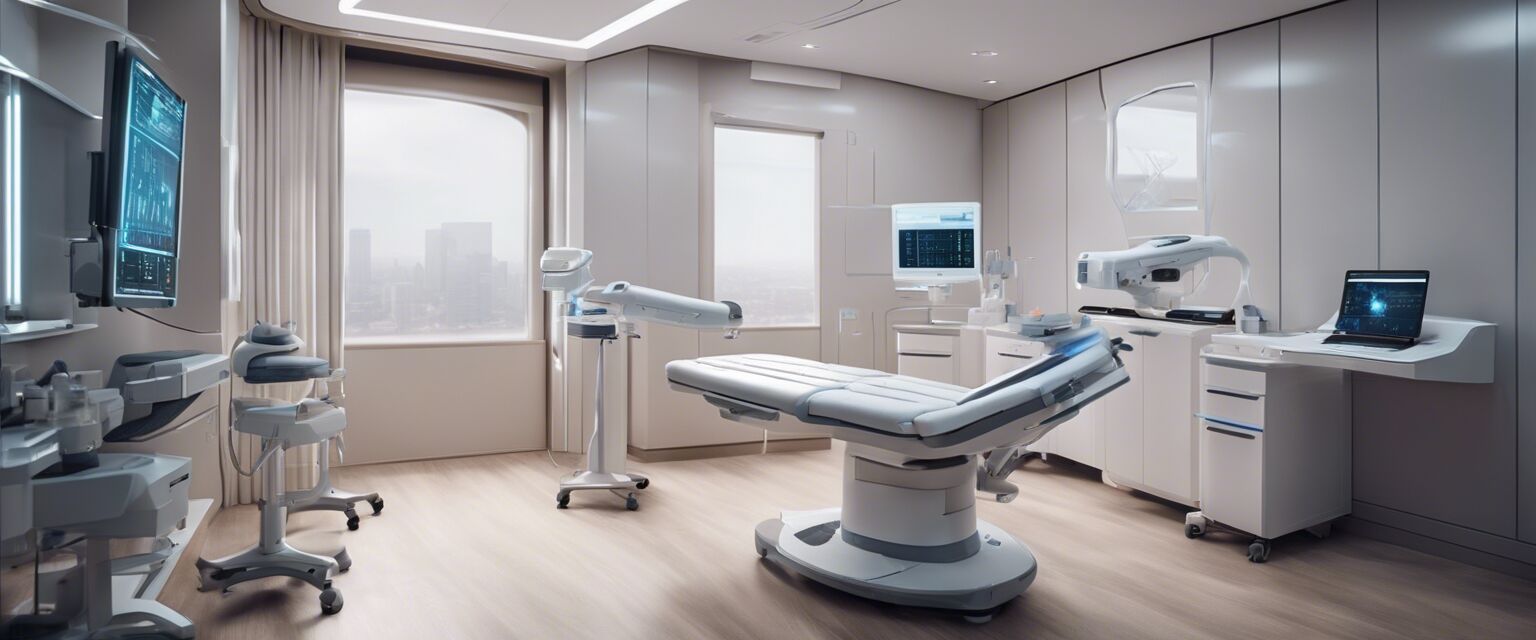
Skin health news: The latest innovations in laser treatments
Key takeaways
- Laser treatments offer advanced solutions for various skin issues.
- New technology enhances patient comfort and treatment effectiveness.
- Minimally invasive procedures are gaining popularity.
- Understanding different laser types is crucial for optimal results.
- Staying informed on the latest advancements can guide better skincare choices.
In the world of dermatology, laser treatments have become a game-changer for effectively addressing a multitude of skin issues. From acne scars to pigmentation problems, the recent innovations in laser technology are designed to improve both the efficacy of the treatments and the comfort of patients undergoing the procedures. As we delve deeper into the latest advancements, it becomes essential to understand how these innovations are transforming skincare practices.
Understanding laser treatments
Laser treatments involve the use of focused light beams to target specific areas of the skin, making them highly effective for a variety of dermatological concerns. The basic principle lies in the interaction between light and the skin, where it can either vaporize tissue or stimulate underlying layers for improved skin texture and tone.
Types of lasers used in dermatology
| Type of Laser | Common Uses | Key Features |
|---|---|---|
| Fractional lasers | Scar treatment, skin resurfacing | Minimally invasive, faster recovery time |
| Pulsed dye lasers | Vascular lesions, redness | Targets blood vessels, less bruising |
| Nd:YAG lasers | Tattoo removal, pigmentation issues | Deep penetration, effective for darker skin tones |
| CO2 lasers | Aging skin, deep wrinkles | Highly effective but requires longer recovery |
Knowing the variations in laser types is crucial when considering treatment options. Each type serves different purposes and may offer distinct benefits based on individual skin concerns.
Recent advancements in laser technology
With developments in technology, laser treatments are becoming less invasive, with improved patient comfort and increased effectiveness. Here are some notable advancements:
- Integration of cooling systems: Many modern lasers now include built-in cooling systems to minimize discomfort during procedures.
- Smart laser systems: Innovations like smart technology allow real-time monitoring of skin response, leading to more tailored treatments.
- Combination therapies: Combining laser treatments with other modalities (e.g., topical therapies) can enhance results and address multiple skin issues simultaneously.
Patient experience and comfort
The focus on patient comfort in laser treatments cannot be overstated. Clinicians are putting more emphasis on making procedures as painless as possible. This includes the use of anesthetics, cooling devices, and gentler settings on lasers to accommodate different skin types. As a result, more patients are considering these treatments, thanks to heightened awareness about the reduced downtime and discomfort involved.
Stay informed: The importance of understanding innovations
As consumers, staying educated about the latest innovations in dermatology empowers better skincare choices. Regularly reviewing updates in treatment options not only enhances decision-making but also ensures that one is aware of the safest and most effective solutions available. We encourage readers to frequently check out our other related articles, including:
- Buying guides for skincare products
- Insights into the latest news in dermatology
- Follow the emerging trends in skincare
Conclusion
As we embrace the latest innovations in laser treatments, it is evident that dermatology continues to evolve rapidly, providing new options to enhance skin health and appearance. By understanding the various types of lasers and the advancements in technology, individuals can make informed decisions about their skincare routines. Keeping up with news in dermatology is crucial for making the best choices for one’s skin health.
Tips for considering laser treatments
- Consult with a qualified dermatologist to discuss your specific skin concerns.
- Inquire about the type of lasers being used and their benefits for your skin type.
- Ask about post-treatment care and what to expect during recovery.
- Always research the clinic's reputation and patient reviews for quality assurance.
Pros
- Highly effective for various skin issues
- Minimally invasive with quick recovery
- Improved comfort due to technological advances
- Customizable treatment options available
Cons
- May not be suitable for all skin types
- Potential side effects such as redness or swelling
- Cost may be a consideration
- Results can vary depending on individual skin concerns