New trends in skin cancer awareness campaigns
Key Takeaways
- Innovative campaigns are focusing on digital outreach and social media to connect with younger audiences.
- Mobile applications are increasingly being used to track sun exposure and promote skin checks.
- Collaborative efforts with influencers enhance message reach and credibility.
- Educational initiatives aim to provide resources for early detection and prevention.
- Communities are becoming more engaged with local events and awareness drives.
Skin cancer remains one of the most common forms of cancer worldwide, yet it is highly preventable with proper education and awareness. As campaigns evolve, new trends are emerging that aim to enhance awareness, encourage early detection, and promote preventative measures. In this article, we will explore the latest trends in skin cancer awareness campaigns and the educational initiatives designed to improve skin health outcomes.
Embracing digital platforms
With the rise of social media and mobile technology, skin cancer awareness campaigns are increasingly pivoting to digital formats. These platforms allow for wider reach and more engaging interactions with the audience.
Utilizing social media
Organizations are leveraging popular social media channels like Instagram, Facebook, and TikTok to spread awareness. Creative posts, shareable content, and engaging stories draw in younger demographics who are critical for future advocacy. Here are some effective strategies:
- Infographics that illustrate risks and prevention techniques.
- Interactive content, such as quizzes and challenges promoting sun safety.
- Live sessions with dermatologists discussing skin health and answering questions.
Mobile applications
Another trend is the development of mobile applications dedicated to skin health. These apps provide users with tools to track their sun exposure, receive reminders for skin checks, and access educational materials. The use of technology plays a vital role in improving individual awareness and proactive behavior.
Collaborations for greater impact
To amplify their messages, campaigns are partnering with industry influencers and brands. Collaboration can take many forms, from sponsored posts to co-hosted events, enhancing credibility and reach through trusted voices.
Influencer partnerships
Influencers with a focus on health and wellness are vital in promoting skin cancer awareness. They can engage followers through personal stories, demonstrate skin checking techniques, and amplify campaign messages. These partnerships can help break down stigma and encourage conversations about skin health.
Corporate sponsorships
Corporate sponsorships are also playing a critical role in funding initiatives and providing resources for campaigns. Collaborations with companies that prioritize corporate social responsibility can lead to well-funded and highly accessible educational programs.
Community-driven initiatives
Increasingly, communities are taking charge of skin cancer awareness through local events and activities. These grassroots efforts help to reconnect individuals with their health while fostering community spirit.
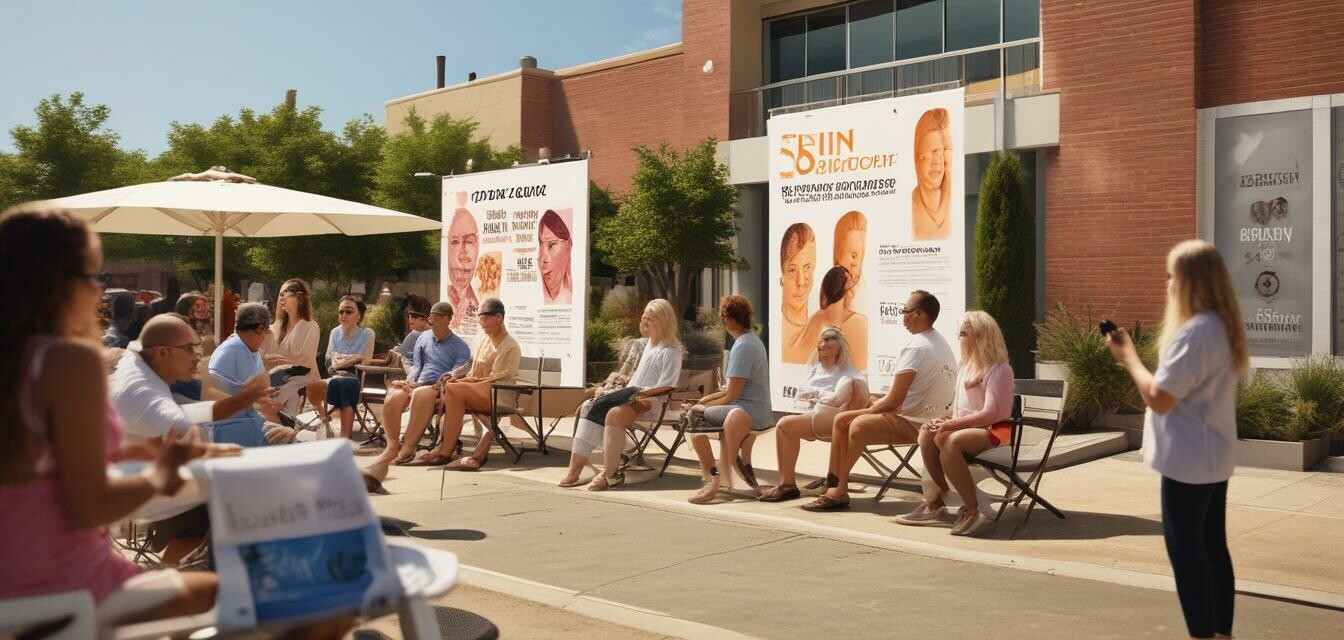
Public awareness events
Public awareness events, such as free skin check clinics and educational workshops, are crucial for early detection and prevention. Communities often rally around these events to provide resources and support.
Engaging local partners
Local schools, healthcare facilities, and businesses often collaborate to host educational sessions and distribute materials. By engaging diverse community partners, campaigns can maximize their reach and impact.
Educational outreach and resources
Education is at the heart of awareness campaigns. Providing accessible resources ensures that individuals understand the risks and preventative measures associated with skin cancer.
Resource development
Campaigns are developing brochures, instructional videos, and e-learning modules that cover:
- The importance of regular skin checks.
- How to recognize early signs of skin cancer.
- Guidelines for effective sun protection, including sunscreen application and protective clothing.
Community workshops
Workshops that invite dermatologists to speak offer valuable knowledge to attendees. They create environments for shared experiences, questions, and solutions regarding skin health.
Conclusion
The trends in skin cancer awareness campaigns reflect a growing understanding of the importance of education, community engagement, and the power of digital outreach. As these strategies evolve, they create avenues for impactful messaging aimed at improving early detection and prevention. Staying informed on these trends not only enhances awareness but also empowers individuals to prioritize their skin health.
Pros
- Increased accessibility of information through digital platforms.
- Engaging younger audiences with interactive content.
- Community involvement raises awareness and support.
Cons
- Potential misinformation spread through social media.
- Dependence on technology may exclude less tech-savvy individuals.
For more information on related topics, check out our articles on news in dermatology, or explore our skincare essentials products to find tools for better skin health.