
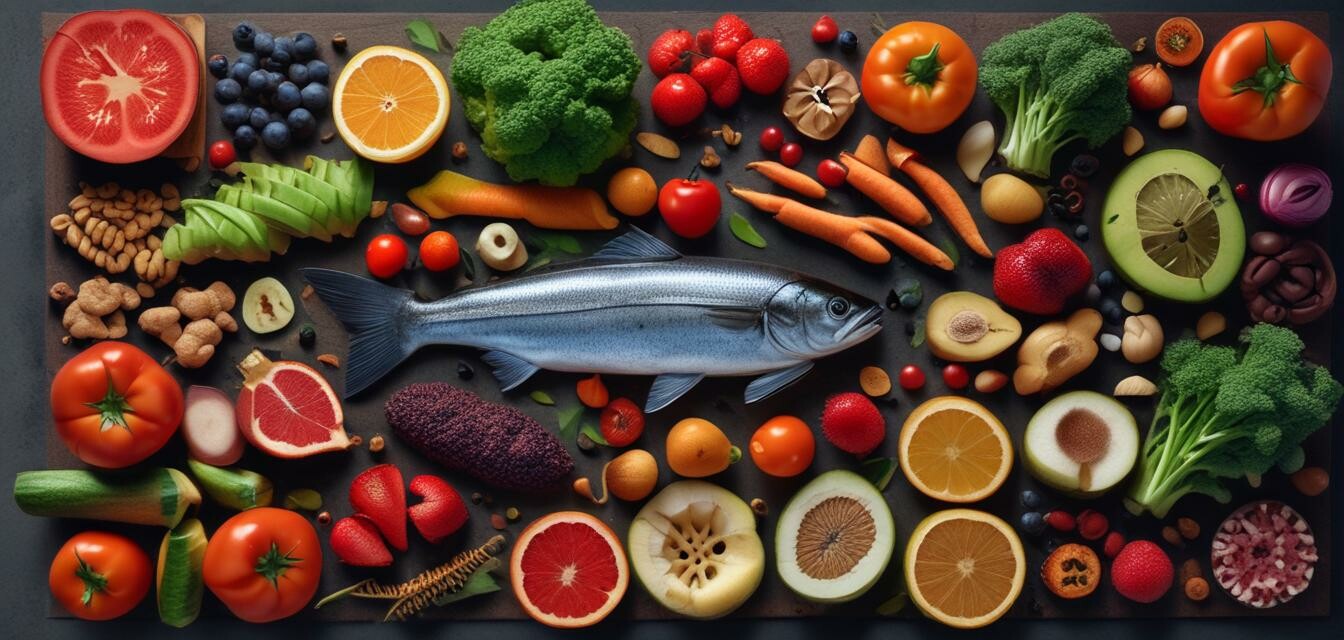
Exploring the impact of diet on skin health
Key Takeaways
- The relationship between diet and skin health is significant and multifaceted.
- Inflammatory foods can exacerbate skin conditions while anti-inflammatory options may improve skin health.
- Maintaining a balanced diet rich in vitamins, minerals, and antioxidants is essential for vibrant skin.
- Recent studies suggest a correlation between certain dietary fats and skin conditions like acne and eczema.
When it comes to skincare, most people focus on topical treatments and products. However, a growing body of evidence reveals that our diet plays a crucial role in regulating skin health. Understanding the impact of nutrition can empower individuals to make informed choices that promote a radiant complexion and reduce dermatological conditions. In this article, we will investigate the relationship between diet and skin health, analyzing recent findings and providing actionable tips to nourish your skin from the inside out.
The connection between diet and skin health
Like any other organ in the body, the skin is affected by what we consume. Nutritional science suggests that our skin reflects our overall health and that dietary choices can play a role in the incidence and severity of various skin conditions.
How nutrition influences skin conditions
Research indicates that certain diets may contribute to skin issues such as acne, psoriasis, and eczema. For instance, diets high in sugar and unhealthy fats may lead to increased inflammation and oil production in the skin, exacerbating acne. On the other hand, a diet rich in fruits, vegetables, and healthy fats can provide the nutrients necessary for maintaining skin integrity and function.
Types of foods to consider
Focusing on a balanced diet can lead to healthier skin. Below, we highlight various food categories that can impact skin health:
| Food Group | Benefits for Skin Health |
|---|---|
| Fruits | Rich in vitamins and antioxidants, help combat free radicals. |
| Vegetables | Provide essential nutrients like vitamins A, C, and E, which promote skin repair. |
| Healthy Fats | Foods like avocados and olive oil support hydration and elasticity of skin. |
| Whole Grains | Help maintain balanced blood sugar levels which can affect skin conditions. |
| Nuts and Seeds | Full of essential fatty acids that help maintain moisture in the skin. |
Recent findings in dermatology
Recent studies have begun to unveil the complexities of the diet-skin connection:
- Omega-3 Fatty Acids: Some research indicates that omega-3 fatty acids may help reduce inflammation linked to acne and other skin conditions.
- Antioxidants: Diets rich in antioxidants (like vitamins A, C, and E) can help protect the skin from oxidative stress.
- Low-Glycemic Index (GI) Foods: A low-GI diet may reduce insulin spikes that contribute to acne flare-ups.
Impact on specific skin conditions
Let's examine how different dietary components might affect common skin conditions:
| Skin Condition | Dietary Influences |
|---|---|
| Acne | High sugar and dairy consumption can trigger breakouts while anti-inflammatory foods may reduce them. |
| Eczema | Certain food allergies or sensitivities can worsen eczema; a balanced diet may help manage symptoms. |
| Psoriasis | Anti-inflammatory diets rich in omega-3 fatty acids may reduce flare-ups. |
Tips for a skin-friendly diet
Beginner's tips for improving diet and skin health
- Prioritize whole, unprocessed foods over refined and sugary options.
- Incorporate a variety of colorful fruits and vegetables into daily meals.
- Stay hydrated; aim for at least eight glasses of water each day.
- Consider adding foods rich in healthy fats, such as fish and avocados.
- Keep a food diary to identify any dietary triggers that may exacerbate skin conditions.
Conclusion
Understanding the relationship between diet and skin health is essential for making informed choices that promote a healthy and radiant complexion. While further research is needed to fully comprehend the complexities of this connection, it’s evident that what we eat can significantly affect our skin. By prioritizing nutrient-rich foods and being mindful of choices that may contribute to inflammation, individuals can work towards healthier skin.
Pros
- Enhancing overall skin health through dietary choices.
- Reduced inflammation and improved skin appearance.
- Empowerment through knowledge of nutritional impacts on skin condition.
Cons
- Dietary changes may take time to show results.
- Not all food responses are consistent across individuals.
- Requires commitment and consistency to maintain beneficial dietary habits.
For more information on how to enhance your skincare routine, visit our sections on Skincare essentials or discover the latest innovations in trends in skincare. Stay informed with recent updates in the industry through our News in Dermatology section, and learn more about specialized treatment options in cosmetic dermatology.