
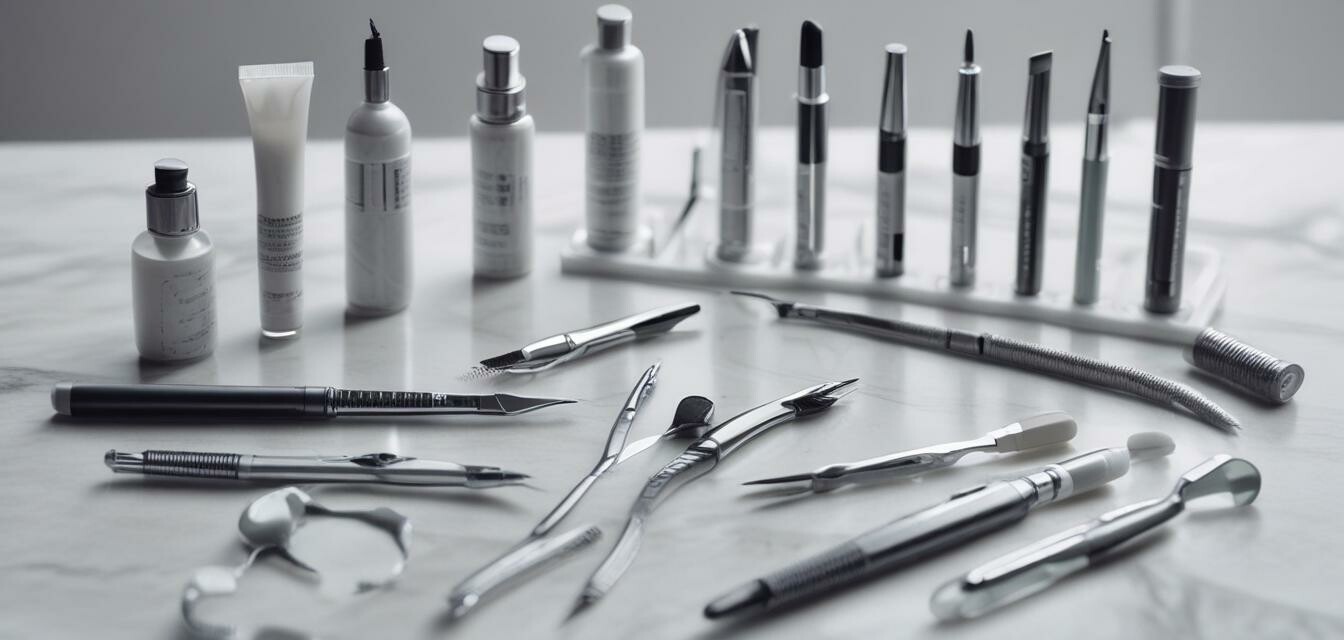
How to Choose the Right Dermatology Tools
- Understanding your specific skin issue is essential before selecting dermatology tools.
- Tools vary in functionality; choosing the right tool means knowing your skin's needs.
- Quality materials ensure safety and effectiveness; look for dermatologist-grade products.
- Always prioritize tools with ergonomic designs for ease of use.
- Proper storage and sanitation of tools are key to maintaining skin health.
When it comes to treating various skin conditions, having the right dermatology tools can make a world of difference. Whether you're dealing with acne, blackheads, or general skincare, using the appropriate instruments is crucial for effective treatment and minimizing any potential damage to your skin. This guide will help you understand how to choose the right dermatology tools tailored to your needs.
Understanding Your Skin Type
Each person's skin is unique and understanding your skin's type and condition is the first step in selecting the right dermatology tools.
| Skin Type | Features | Recommended Tools |
|---|---|---|
| Oily | Shiny appearance, enlarged pores, prone to acne | Blackhead remover, exfoliating tools |
| Dry | Flaky, tight feeling, can become cracked | Hydration tools, gentle exfoliators |
| Sensitive | Prone to redness, irritation | Gentle tools with soft edges |
| Combination | Oily in some areas and dry in others | Versatile tools to target various concerns |
Different Types of Dermatology Tools
It’s important to familiarize yourself with the range of tools available in the market. Here are a few essential tools to consider:
- Blackhead Removers: These are used to extract blackheads and blemishes effectively.
- Exfoliating Tools: Helps to slough off dead skin cells for a smoother complexion.
- Hydration Tools: Designed to ensure your skin maintains the right moisture levels.
- Precision Tweezers: Perfect for handling small, delicate areas around the face.
- Scalpels: Used for minor skin surgeries or precision work, typically by professionals.
Consider the Material
The material of the dermatology tools is significant for safety and effectiveness. Here’s a breakdown of the ideal materials:
| Material | Benefits |
|---|---|
| Stainless Steel | Durable, easy to sterilize, and prevents rusting |
| Plastic | Lightweight and often disposable; good for single-use tools |
| Silicone | Gentle on skin and often hypoallergenic; great for sensitive types |
Portable and Convenient Options
Many dermatology tools come in portable kits that promote easy storage and sanitation. For example:
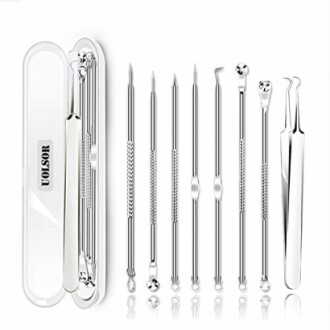 Essential Tool Kit
[Upgraded] 8PCS Blackhead Remover Tool Kit
This professional-grade tool kit is made of premium stainless steel and designed for efficient acne and blemish removal.
Learn MoreMaintaining Your Tools
To ensure longevity and effectiveness, it’s important to properly maintain your dermatology tools.
Tips for Beginners
- Always sterilize your tools before use to prevent infection.
- Store them in a cool, dry place, ideally in a protective case.
- Familiarize yourself with each tool's specific use for maximum effectiveness.
- Avoid sharing your tools with others to maintain hygiene.
- Regularly inspect your tools for any damage or wear before using.
Educating Yourself
For those interested in pursuing a deeper understanding of dermatology and patient care, consider reading relevant literature:
 Essential Reading
Dermatology Nurse - The Comprehensive Guide
A valuable resource for mastering skincare and patient care in dermatology assisting.
Explore NowConclusion
Choosing the right dermatology tools involves understanding your specific skin needs, the material of the tools, and ensuring they are maintained properly. With the right tools at your disposal, you can effectively manage your skincare challenges. Don’t forget to check out our other guides on skin cancer prevention, acne treatment, and buying guides for more valuable tips.