
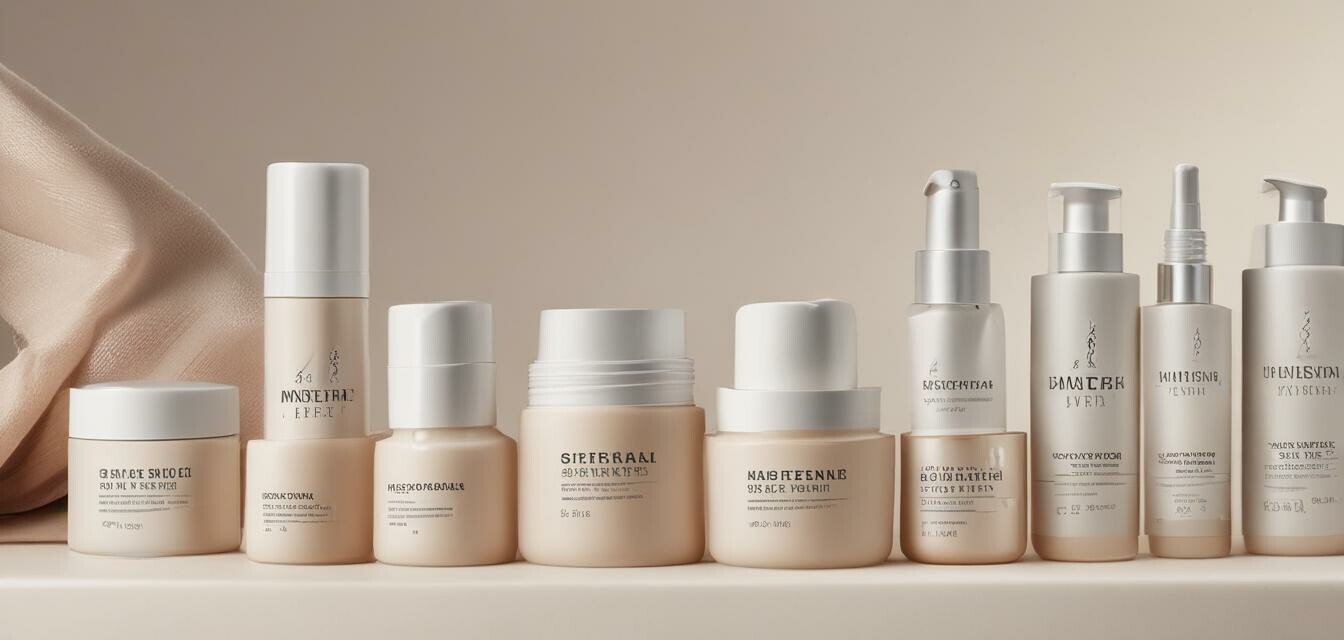
How to choose the best moisturizer for your skin type
Key Takeaways
- Understand your skin type to choose the right moisturizer.
- Look for specific ingredients tailored to your skin concerns.
- Consider the climate and season when selecting your moisturizer.
- Don't forget to test new products on a small area first.
- Keep your moisturizer's expiry date in mind for optimal effectiveness.
Choosing the right moisturizer is crucial for maintaining healthy, hydrated skin. With countless options available in the market, it can sometimes feel overwhelming. Whether you have dry, oily, or combination skin, this guide will help you select the best moisturizer according to your skin type and needs, featuring popular ingredients and what to watch for.
Understanding skin types
Your skin type significantly influences how your skin responds to products. There are generally four main skin types:
| Skin Type | Characteristics | Best Moisturizer Ingredients |
|---|---|---|
| Dry | Flaky, tight, and may appear dull | Hyaluronic acid, glycerin, shea butter |
| Oily | Shiny appearance with enlarged pores | Oil-free, non-comedogenic formulas, salicylic acid |
| Combination | Oily in some areas (T-zone) and dry in others | Balanced formulas, lightweight gels |
| Sensitive | Reactive to certain products, may have redness | Fragrance-free, hypoallergenic, calming ingredients |
What to look for in moisturizer ingredients
When selecting a moisturizer, it’s vital to be aware of the ingredients that will benefit your skin type. Here’s a breakdown:
- Moisturizing agents: Look for ingredients like hyaluronic acid and glycerin that provide hydration.
- Emollients: Substances such as shea butter and petrolatum help soften and smooth the skin.
- Occlusives: Ingredients like dimethicone or beeswax create a barrier to lock in moisture.
- Active ingredients: For specific skin concerns, consider adding salicylic acid for acne or niacinamide for redness.
Climate and seasons
Your skin's needs can change based on the climate and seasons. Here’s what to consider:
- Summer: Opt for lightweight, gel-type moisturizers that hydrate without feeling heavy.
- Winter: Use thicker creams or ointments to provide a protective barrier against the cold, dry air.
Testing new moisturizers
Before fully integrating a new moisturizer into your routine, it's advisable to test it out. Follow these steps:
- Apply a small amount on a discrete area of your skin (such as the inside of your wrist).
- Wait 24 hours to see if any reactions occur.
- If no irritation occurs, gradually introduce it into your skincare routine.
Common misconceptions about moisturizing
There are several misconceptions surrounding moisturizers. Here are a few clarifications:
- Myth: Oily skin doesn’t need moisturizer.
- Fact: Oily skin still needs hydration; just choose an oil-free or gel-based option.
- Myth: The more expensive the product, the better it is.
- Fact: Price doesn't guarantee quality; read ingredient labels regardless of cost.
Pros
- Maintains skin hydration
- Available in various formulations for different skin types
- Many options are affordable
Cons
- Some may cause breakouts if not suitable for your skin type
- Quality varies greatly among brands
- Not all ingredients are effective for every skin type
Conclusion
Finding the right moisturizer for your skin type doesn't have to be complicated. By understanding your skin type, looking for specific ingredients, and being mindful of the changing seasons, you can select a product that supports healthy, hydrated skin. Always remember to test new products beforehand and stay updated on your skin's evolving needs. For more tips on choosing dermatology products, check out our Buying Guides.