
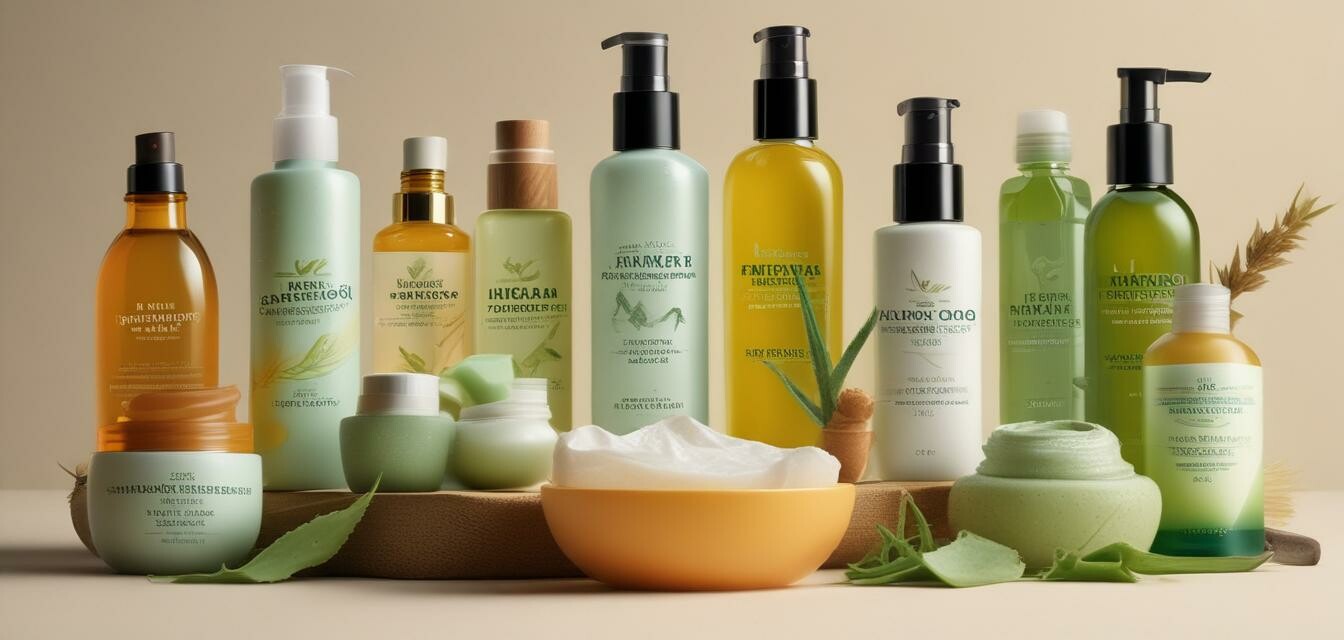
How to Choose the Best Facial Cleanser for Your Skin
Key Takeaways
- Understand your skin type: Normal, oily, dry, or combination.
- Consider your skin concerns: Acne, sensitivity, aging, etc.
- Pay attention to ingredients: Choose cleansers with beneficial components.
- Test the product: Patch testing can prevent adverse reactions.
- Consult a dermatologist if you're unsure of what products to choose.
Choosing the right facial cleanser is vital for maintaining healthy skin. With a plethora of options available in the market, selecting the perfect product tailored to your skin type and concerns can be overwhelming. This comprehensive guide will walk you through the process of choosing the best facial cleanser, ensuring you make an informed decision.
Understanding Your Skin Type
Before selecting a facial cleanser, it's essential to understand your skin type. Your skin may fall into one of the following categories:
| Skin Type | Description | Recommended Cleanser |
|---|---|---|
| Normal | Balanced, not too oily or dry. | Gentle foaming cleanser or cream. |
| Oily | Excess oil and shine, prone to breakouts. | Gel cleanser with salicylic acid. |
| Dry | Flaky, tight, and dull skin. | Hydrating cream or oil-based cleanser. |
| Combination | Oily in some areas, dry in others. | Balanced foaming or cream cleanser. |
Identifying Your Skin Concerns
Besides your skin type, it's also important to consider specific concerns that may influence your choice of cleanser. Here are some common skin concerns and related tips:
- Acne: Look for ingredients like salicylic acid and tea tree oil.
- Sensitivity: Choose fragrance-free and hypoallergenic options.
- Aging: Opt for cleansers with antioxidants like vitamin C.
- Hyperpigmentation: Cleansers with glycolic acid can help brighten the skin.
Key Ingredients to Look For
When browsing through products, understanding the ingredients can aid significantly in your decision-making. Here are vital ingredients to keep in mind:
| Ingredient | Benefits |
|---|---|
| Glycerin | Hydrating and helps maintain skin's moisture. |
| Salicylic Acid | Exfoliates and combats acne. |
| Aloe Vera | Soothes and hydrates sensitive skin. |
| Tea Tree Oil | Natural antiseptic, effective against acne. |
How to Test the Product
Before committing to a full-sized product, consider testing it for a few days or using a sample size. Here are steps to follow:
- Patch Test: Apply a small amount to a discreet area of your skin.
- Monitor: Observe how your skin reacts over 24 hours.
- Evaluate: Look for any signs of irritation or adverse reactions.
Consulting a Dermatologist
If you're uncertain about the right cleanser for your skin, consulting with a dermatologist is an excellent decision. They can provide tailored recommendations and guidance based on your specific needs and challenges. Additionally, exploring our article on News in Dermatology can keep you updated on the latest skin care insights and product trends.
Tips for Choosing the Right Facial Cleanser
- Always check for sulfate and paraben-free labels.
- Consider your lifestyle—exercise habits or environmental factors may require different products.
- Read reviews and ingredient lists before purchasing.
- Utilize product samples when available to test before buying full sizes.
Pros
- Helps maintain skin health and cleanliness.
- Can prevent breakouts and other skin issues.
- Promotes hydration and glowing skin when chosen correctly.
Cons
- Some products contain harsh ingredients that may irritate certain skin types.
- Higher price points for premium products may not guarantee better results.
- Over-cleansing can strip the skin of its natural oils.
Conclusion
Choosing the best facial cleanser is more than just a simple task; it’s about understanding your skin. By considering your skin type, concerns, key ingredients, and testing products, you can find the right cleanser for your daily skincare routine. For additional guidance, check out our Buying Guides for an in-depth look into other dermatology products that can enhance your skincare regimen.