
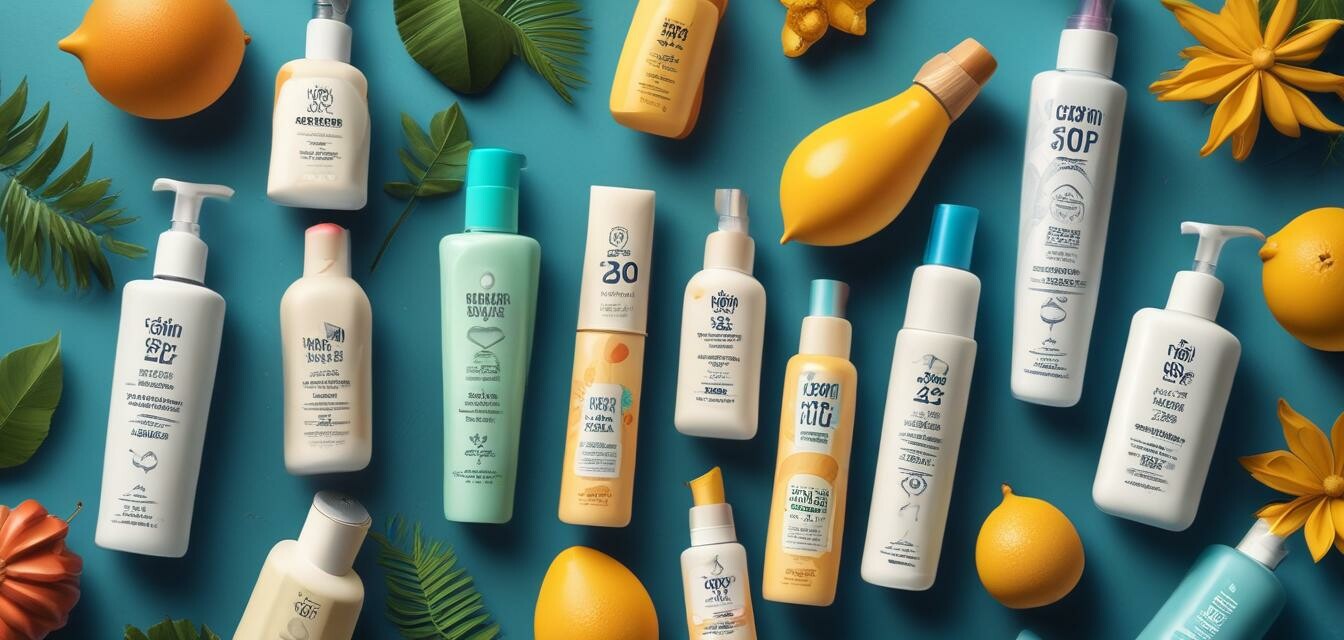
Evaluating Sunscreen: What You Need to Know
Key Takeaways
- Understand the importance of SPF ratings for skin protection.
- Know the difference between physical and chemical sunscreens.
- Learn how to read sunscreen labels for active ingredients.
- Choose sunscreens based on your skin type for optimal results.
- Regular application is essential for effective sun protection.
Sunscreen is an essential part of any skincare routine, protecting against harmful UV rays that can lead to skin damage and accelerate aging. This guide will help you understand the ingredients, types, and SPF ratings in sunscreens so you can choose the best protection for your skin type.
Understanding SPF Ratings
SPF, or Sun Protection Factor, indicates how well a sunscreen can protect your skin from UVB rays, which are the primary cause of sunburn.
| SPF Rating | Time Protection Estimate |
|---|---|
| 15 | Protects for about 150 minutes. |
| 30 | Protects for about 300 minutes. |
| 50 | Protects for about 500 minutes. |
As a rule of thumb, the higher the SPF, the better the protection, but it is important to note that no sunscreen can provide 100% protection. It is essential to reapply every two hours, or more frequently if swimming or sweating.
Types of Sunscreen
There are two primary types of sunscreens: physical and chemical.
Physical Sunscreens
Physical sunscreens, also known as mineral sunscreens, contain active mineral ingredients such as zinc oxide or titanium dioxide. They work by sitting on top of the skin and physically blocking UV rays.
Chemical Sunscreens
Chemical sunscreens contain organic compounds that absorb UV radiation. They often contain ingredients such as avobenzone, octisalate, and octocrylene. These sunscreens generally apply more easily and absorb quickly into the skin.
How to Read Sunscreen Labels
It’s crucial to understand the active ingredients in your sunscreen. Here’s what to look for:
- UVA/UVB Protection: Ensure the sunscreen offers broad-spectrum protection.
- Water Resistance: Look for terms like "water-resistant" to find formulas that hold up in water.
- Ingredients: Avoid products with high levels of fragrances, which can cause skin irritation.
Choosing the Right Sunscreen for Your Skin Type
Your skin type can influence which sunscreen will be best suited for you:
| Skin Type | Recommended Sunscreen Type |
|---|---|
| Oily Skin | Lightweight, oil-free, gel-based sunscreens. |
| Dry Skin | Hydrating formulas that include moisturizing ingredients. |
| Sensitive Skin | Physical sunscreens with minimal ingredients. |
Best Practices for Applying Sunscreen
To maximize protection, follow these application tips:
- Apply sunscreen at least 15 minutes before sun exposure.
- Use enough product—about one ounce for full-body coverage.
- Reapply every two hours, or more frequently after swimming or sweating.
Microneedling Procedures for Beginners
A detailed resource about microneedling techniques, benefits, and safety measures to enhance your skincare routine.
Learn MoreConclusion
Choosing the right sunscreen is crucial for protecting your skin. By understanding SPF ratings, types of sunscreen, and how to read labels, you can make informed choices that suit your skin type and lifestyle. Always remember to reapply for the best protection.
Tips for Sunscreen Use
- Keep your sunscreen in a cool, dry place.
- Check expiration dates regularly.
- Don't forget areas like your ears and the back of your hands.