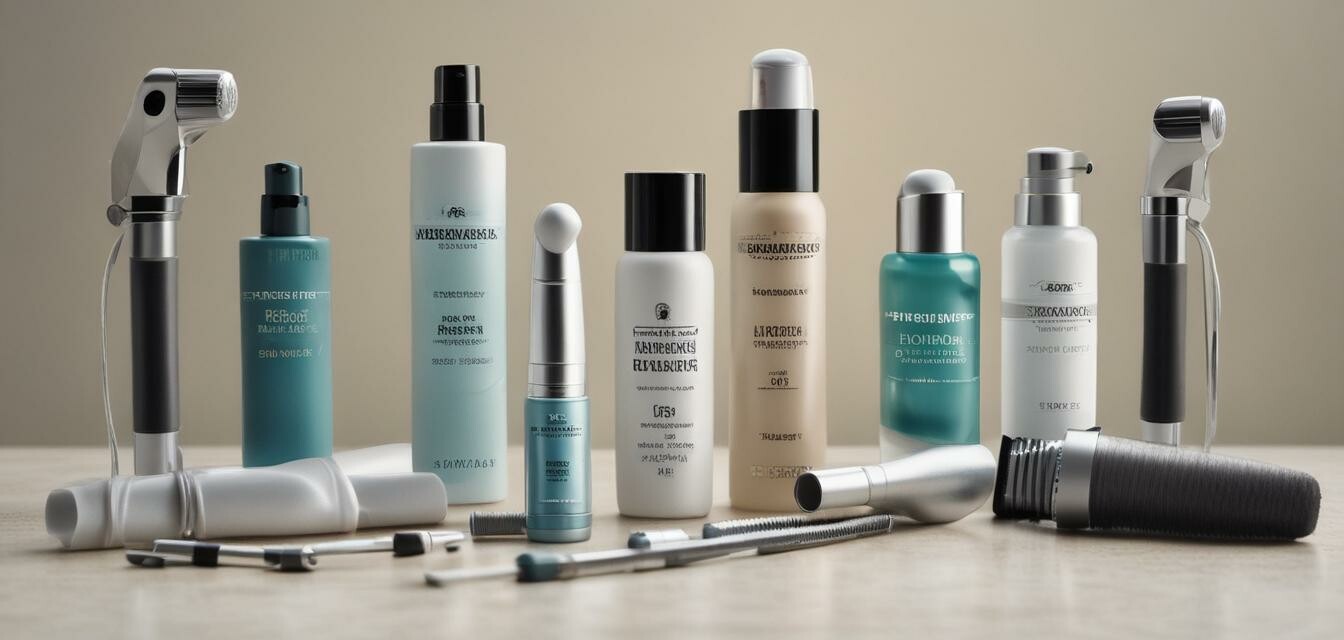
Essential Tools for Every Dermatology Practitioner
In the field of dermatology, having the right tools is crucial for effective diagnosis and treatment. Whether you’re a seasoned professional or just starting, understanding these essential tools will enhance your practice and patient care. This guide will break down the must-have tools, their purposes, and how to use them effectively.
Key Takeaways
- Essential dermatology tools enhance diagnosis and treatment.
- Cleanliness and proper use are key to effective outcomes.
- Investing in quality tools ensures longevity and better performance.
Why Are Dermatology Tools Important?
Every dermatologist needs a variety of instruments at their disposal to assess and treat skin conditions effectively. The right tools not only allow for accurate diagnosis but also contribute to the overall success of patient treatment plans.
Essential Tools in Dermatology
| Tool | Purpose | Recommended Product |
|---|---|---|
| Dermatoscope | Used for examining moles and other skin lesions to detect skin conditions. | Dermatoscope Standard |
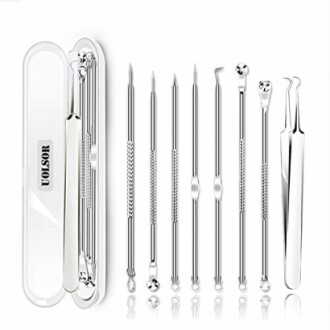
| Blackhead Extractor | Helps remove blackheads and blemishes smoothly to prevent skin damage. |
 Professional Grade
[Upgraded] 8PCS Blackhead RemoverComprehensive tool kit featuring premium stainless steel for effective blemish removal. Explore Now |
| Biopsy Punch | Allows for skin sampling to diagnose conditions more accurately. | Biopsy Punch Tool |
| Scalpel | Used for minor surgical procedures and excisions. | Surgical Scalpel Set |
How to Maintain Your Dermatology Tools
Proper maintenance of your tools ensures their effectiveness and longevity. Here are some tips:
- Clean after each use: Use antiseptic wipes and sterilize instruments as needed.
- Store safely: Use a designated storage case to prevent damage and contamination.
- Regular inspections: Check tools for wear and tear regularly to ensure they are in optimal condition.
Recommended Reads in Dermatology
Looking to expand your knowledge? Here are some insightful reads that every dermatology practitioner should consider:
- Anti-Aging Solutions
- Acne Treatment Tips
- Eczema Management Strategies
- Insights into Cosmetic Dermatology
- Skin Cancer Prevention Techniques
Conclusion
Investing in the right dermatology tools not only elevates your practice but also enriches the care provided to patients. Make sure to regularly update your toolkit based on emerging technologies and practices in the field.
Pros
- Enhances diagnostic accuracy
- Improves treatment outcomes
- Facilitates patient satisfaction and trust
Cons
- Can be costly to maintain an extensive toolkit
- Requires regular cleaning and sterilization