
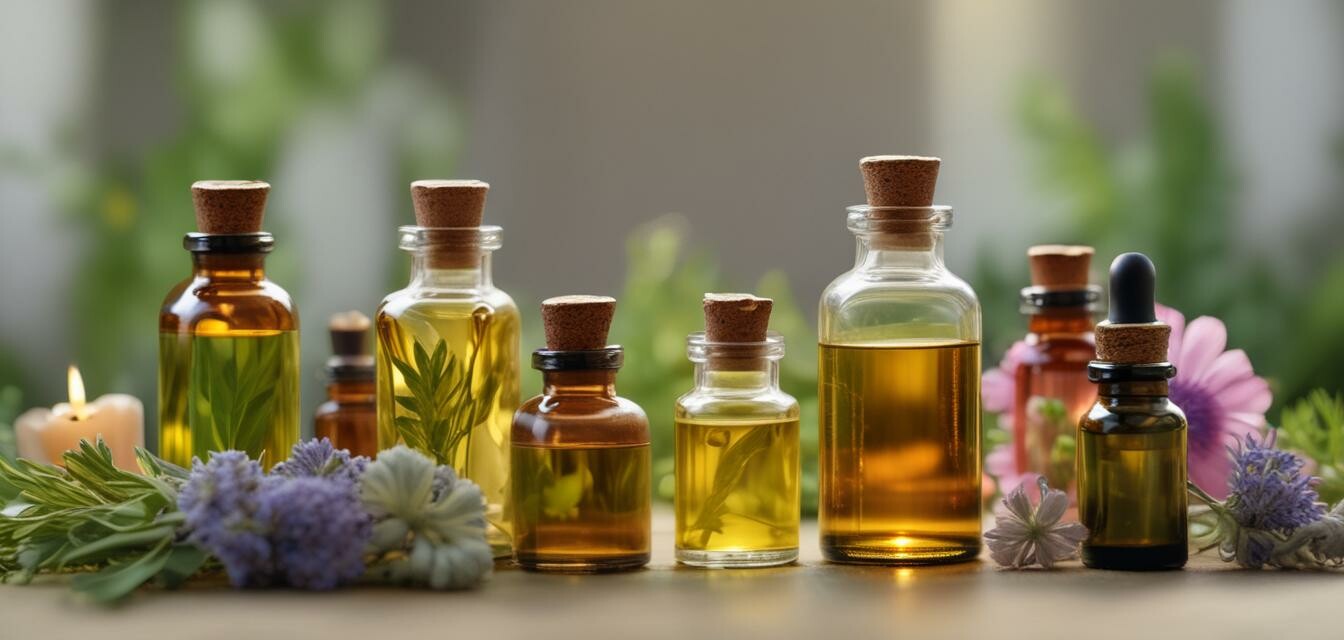
Essential oils for skin health: A comprehensive guide
Key takeaways
- Essential oils can provide various benefits for skin health, including hydration, soothing effects, and rejuvenation.
- Popular essential oils include tea tree oil, lavender oil, and frankincense oil.
- Always perform a patch test and dilute oils before applying them to the skin.
- Combining essential oils with carrier oils can enhance effectiveness and reduce skin irritation.
- Consult a dermatologist if you have specific skin conditions or allergies before using essential oils.
When it comes to skin health, essential oils stand out for their natural benefits and versatile uses. This comprehensive guide will help you navigate the world of essential oils, their unique properties, and tips for safe use. Whether you're looking to hydrate dry skin or soothe irritation, understanding the various oils available will allow you to make informed choices for your skincare routine.
What are essential oils?
Essential oils are concentrated extracts from plants, usually obtained through methods such as steam distillation or cold pressing. They capture the unique scents and beneficial properties of the plants they originate from, making them a popular choice in skincare and aromatherapy. In the context of dermatology, essential oils can enhance skin health due to their anti-inflammatory, antibacterial, and antioxidant properties.
Popular essential oils for skin health
| Essential Oil | Benefits | Common Uses |
|---|---|---|
| Tea Tree Oil | Antimicrobial, anti-inflammatory | Acne treatment, soothing irritated skin |
| Lavender Oil | Soothing, promotes relaxation | Calming irritated skin, reducing redness |
| Frankincense Oil | Rejuvenating, anti-aging | Fine lines and wrinkles, scars |
| Rosehip Oil | Hydrating, high in antioxidants | Moisturizing, fade dark spots |
| Chamomile Oil | Anti-inflammatory, calming | Reduces skin irritation and redness |
How to use essential oils safely
Using essential oils can be beneficial, but they should be used with care. Here are some essential tips:
Beginner's section
- Patch test: Always perform a patch test on a small area of skin to check for any allergic reactions.
- Dilution: Essential oils are highly concentrated and should be diluted with a carrier oil (e.g., Jojoba, Coconut, or Almond oil) before applying to the skin.
- Consultation: Speak to a dermatologist if you have existing skin conditions or allergies.
- Storage: Keep your essential oils in a cool, dark place to maintain their potency.
- Quality matters: Choose high-quality, pure essential oils from reputable sources to ensure safety and effectiveness.
Essential oil blends for different skin types
There are various essential oil blends tailored for specific skin types. Here are some suggestions:
| Skin Type | Recommended Essential Oils | Usage Mix Ratio |
|---|---|---|
| Oily Skin | Tea Tree Oil, Lavender Oil | 2 drops tea tree oil + 2 drops lavender oil in 1 teaspoon of carrier oil |
| Dry Skin | Rosehip Oil, Chamomile Oil | 3 drops rosehip oil + 2 drops chamomile oil in 1 teaspoon of carrier oil |
| Sensitive Skin | Frankincense Oil, Lavender Oil | 2 drops frankincense oil + 2 drops lavender oil in 1 teaspoon of carrier oil |
| Combination Skin | Geranium Oil, Grapefruit Oil | 2 drops geranium oil + 2 drops grapefruit oil in 1 teaspoon of carrier oil |
Conclusion
Essential oils can be a remarkable addition to your skincare regimen. With their diverse properties and numerous benefits, they provide a natural way to enhance skin health. However, it is crucial to use them correctly to maximize their effects and minimize any potential side effects. For further information on skincare products and best practices, consider visiting our Buying Guides page, where you'll find excellent tips and detailed insights on choosing the best dermatology products for your needs.
Pros
- Natural and often safer alternatives to synthetic products
- Can enhance overall skin health
- Wide variety to suit different skin types
- Versatile uses beyond skincare (e.g., aromatherapy)
Cons
- Possible allergic reactions if not tested
- Can be potent and require careful application
- Not all essential oils are suitable for all skin types
- Potential interactions with medications or other skincare products