
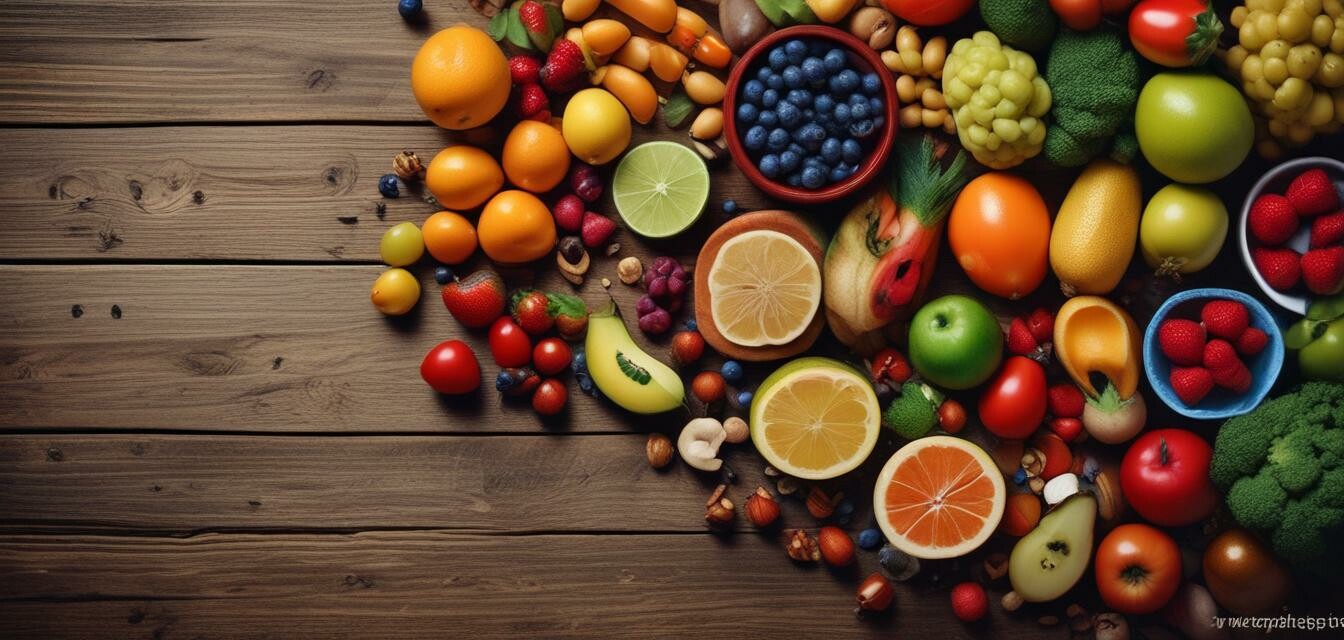
Essential nutrients for healthy skin
Key Takeaways
- Vitamins and minerals are crucial for maintaining skin health.
- Incorporate a variety of foods to ensure a balanced intake of nutrients.
- Consider supplements if dietary sources are insufficient.
- Stay hydrated to support skin functions and overall health.
Taking care of your skin is important, and the nutrients you consume play a significant role in maintaining its health and vitality. In this guide, we will explore essential nutrients that promote healthy skin, and how you can integrate them into your diet through delicious foods and effective supplementation. From vitamins to healthy fats, let’s delve into what your skin needs to shine.
Understanding essential nutrients for your skin
Our skin requires a variety of nutrients to stay healthy, hydrated, and resilient against environmental stressors. Here's a quick overview of key nutrients that are essential for skin health:
| Nutrient | Benefit | Sources |
|---|---|---|
| Vitamin A | Promotes skin cell production and repair. | Carrots, sweet potatoes, spinach, and kale. |
| Vitamin C | Helps with collagen production and protects against UV damage. | Citrus fruits, strawberries, bell peppers, and broccoli. |
| Vitamin E | Acts as an antioxidant and supports skin repair. | Nuts, seeds, and green leafy vegetables. |
| Omega-3 Fatty Acids | Reduces inflammation and supports skin hydration. | Fatty fish, flaxseeds, walnuts, and chia seeds. |
| Zinc | Helps with skin healing and regulation of oil production. | Meat, shellfish, legumes, and whole grains. |
The role of diet in skin health
Your diet is a vital factor in how your skin looks and feels. A well-balanced diet rich in vitamins, minerals, and antioxidants can lead to healthier skin. Here are some tips to incorporate these nutrients into your meals:
Tips for incorporating essential nutrients
- Include a variety of colorful fruits and vegetables in your diet.
- Opt for healthy fats like avocados, nuts, and seeds.
- Try to eat whole, unprocessed foods for better nutrient absorption.
- Stay hydrated by drinking plenty of water and consuming water-rich foods.
Supplements for skin health
In some cases, it may be challenging to obtain all necessary nutrients solely through diet. Supplements can be an effective way to boost your skin health, but they should complement a balanced diet rather than replace it. It's important to consult a healthcare provider before starting any supplements.
Hydration and its importance
Staying hydrated is essential for healthy skin. Water helps maintain skin elasticity, supports cell regeneration, and flushes toxins from the body. Aim to drink at least 8 glasses of water a day, and include hydrating foods like cucumbers, oranges, and watermelon in your diet.
Conclusion
By understanding the essential nutrients needed for healthy skin, you can make informed decisions about your diet and potentially enhance your skincare routine. Regularly including a variety of nutrient-rich foods, staying hydrated, and considering supplements can help you maintain the skin you've always desired. For more resources on skincare, check out our Buying Guides for the latest trends and products to help achieve beautiful skin.
Pros
- Improved skin texture and appearance.
- Reduced signs of aging and sun damage.
- Enhanced hydration and skin barrier function.
Cons
- Not all nutrients are easily absorbed through diet alone.
- Supplements may cause side effects or interact with medications.
- Dietary changes may take time to show results on skin health.