
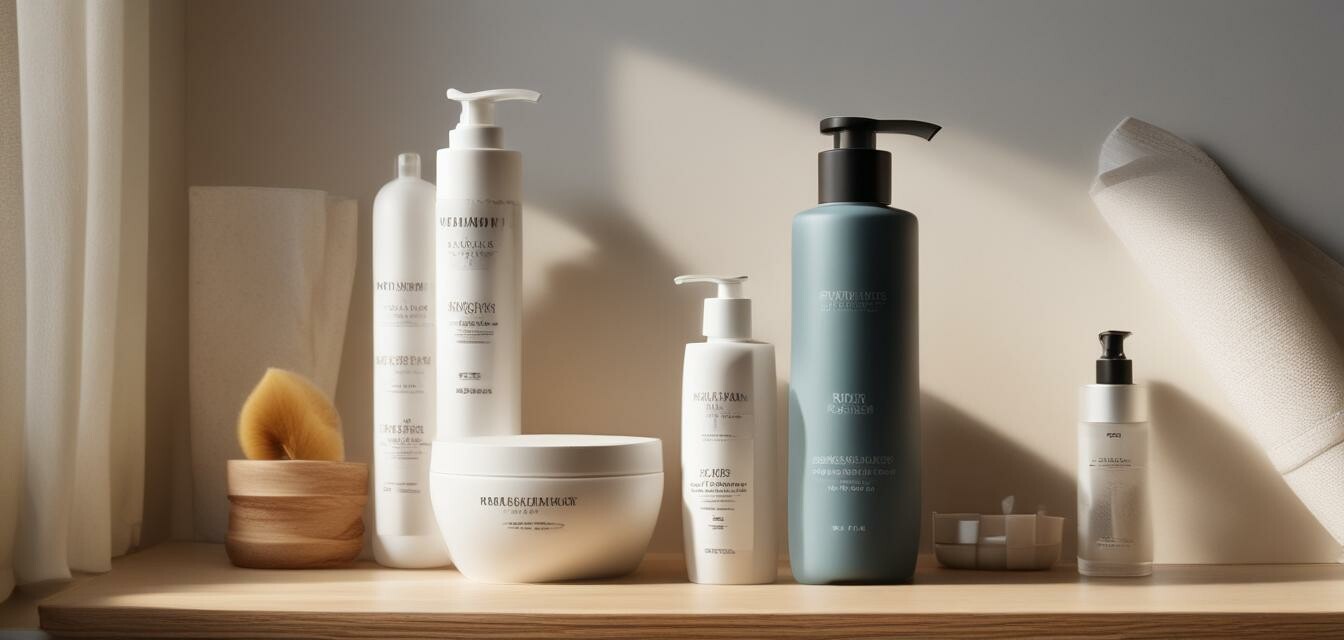
Best Practices for Post-Procedure Skin Care
Key Takeaways
- Gentle Cleansing is crucial for healing skin.
- Moisturizing regularly aids in recovery.
- Sun protection is mandatory to prevent damage.
- Avoiding harsh products can minimize irritation.
- Consulting a dermatologist is beneficial for personalized care.
After undergoing a dermatological procedure, your skin needs special care to ensure optimal healing and results. Proper post-procedure skin care routines can significantly enhance your recovery process and overall skin health. In this guide, we explore best practices for caring for your skin after procedures like chemical peels, laser treatments, and microneedling.
1. Understand Your Procedure
Before diving into post-care, it’s essential to understand the specific procedure you underwent. Each treatment has unique care requirements, so it’s important to follow your dermatologist's recommendations closely. For further insights, check out our article on trends in skincare, which outlines the latest procedures and their aftercare needs.
Common Procedures and Post-Care Needs
| Procedure | Post-Care Tip |
|---|---|
| Chemical Peel | Avoid exfoliating products for at least one week. |
| Laser Treatments | Use a gentle cleanser and apply moisturizer twice daily. |
| Microneedling | Keep the skin hydrated and shield from the sun. |
| Facial Fillers | Avoid touching the treated area for 24 hours. |
2. Gentle Cleansing
Keeping your skin clean is vital post-procedure, but it’s equally important to be gentle. Use lukewarm water and a mild, fragrance-free cleanser to avoid irritating your skin. Avoid hot water and scrubbing, as this can exacerbate sensitivity. For more tips on choosing skincare products, read our buying guides.
Steps for Effective Cleansing
- Wet your skin with lukewarm water.
- Apply a small amount of gentle cleanser.
- Gently massage the cleanser onto your skin.
- Rinse thoroughly with lukewarm water.
- Pat your skin dry with a soft towel.
3. Moisturizing
Humidity helps maintain skin integrity. Applying a suitable moisturizer keeps the skin hydrated and promotes healing. Look for products that contain soothing ingredients such as aloe vera or hyaluronic acid, which can help calm the skin. More about effective ingredients can be found in our article on skincare essentials.
Moisturizing Tips
- Apply moisturizer twice a day, especially after cleansing.
- Choose a product free from alcohol and fragrances.
- Consider using a thicker cream at night for added hydration.
4. Sun Protection
One of the most critical steps in post-procedure care is sun protection. Your skin will be more sensitive to UV rays, increasing the risk of pigmentation and irritation. Always apply a broad-spectrum sunscreen with an SPF of at least 30, even on cloudy days. For more on sun protection, visit our article on news in dermatology.
Sun Protection Practices
- Apply sunscreen every morning, even indoors.
- Reapply every two hours, especially if sweating or swimming.
- Use protective clothing when outdoors.
5. Avoiding Harsh Products
After a skin procedure, your skin may react negatively to certain ingredients. Avoid products with alcohol, salicylic acid, retinoids, or any strong exfoliating agents for at least a week or as recommended by your dermatologist. This helps the skin to heal without additional irritation.
What to Avoid
- Strong exfoliants like scrubs and acids.
- Fragrance-heavy products that can irritate.
- Alcohol-based toners or astringents.
6. Consult Your Dermatologist
If you experience unusual side effects during your recovery or are unsure about any products, always consult your dermatologist. They can provide personalized advice and treatment tailored to your specific situation, helping to ensure the best outcome. For a better understanding of dermatological tools that can assist in your care, see our section on dermatology tools.
Pros
- Encourages faster healing of skin.
- Reduces the risk of complications.
- Improves overall satisfaction with results.
Cons
- Requires diligence and consistency.
- Some products may not be suitable for all skin types.
Conclusion
Caring for your skin after a dermatological procedure is essential for achieving the desired results. By following the best practices outlined in this guide, you'll be well on your way to a smooth and healthy recovery. Remember that every skin type is different, so consult with your dermatologist for tailored advice and support throughout your post-procedure journey.