
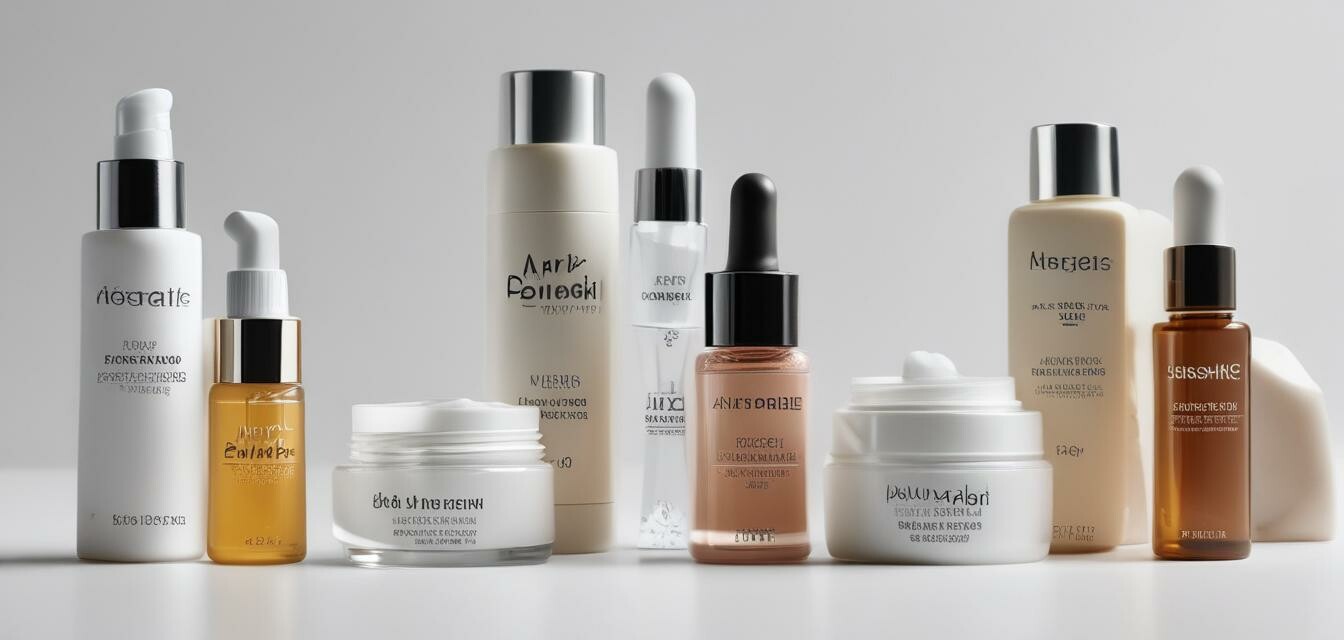
Beginners Guide to Microneedling for Anti-Aging
Key Takeaways
- Microneedling stimulates collagen production, contributing to youthful skin.
- Understanding safety protocols and techniques is essential for effective at-home treatment.
- Choose the right products and devices for optimal results.
- Consult a dermatologist if you have specific skin concerns.
Microneedling is an innovative skincare technique that has gained popularity in recent years, particularly among those seeking anti-aging solutions. This comprehensive guide aims to provide beginners with essential information about the microneedling process, its benefits, safety measures, and suitable products for at-home treatment.
What is Microneedling?
Microneedling, also known as collagen induction therapy, is a minimally invasive procedure that uses fine needles to create thousands of micro-injuries on the skin’s surface. This prompts the body to initiate its natural healing process, leading to increased collagen and elastin production. The result is smoother, firmer, and more youthful-looking skin.
Benefits of Microneedling
- Reduces the appearance of fine lines and wrinkles.
- Improves skin texture and tone.
- Minimizes pore size.
- Enhances product absorption when paired with serums.
- Can help improve the appearance of scars.
Safety Considerations
Before embarking on your microneedling journey, it is crucial to understand the safety protocols involved. Here are some key points to keep in mind:
- Always conduct a patch test on a small area of skin.
- Use sterile and properly sanitized equipment.
- Avoid microneedling on active acne, infections, or open wounds.
- Consult a dermatologist if you have any concerns.
How to Microneedle at Home
Microneedling at home can yield great results if done correctly. Follow these steps to get started:
- Cleanse your skin thoroughly.
- Apply a topical numbing cream to minimize discomfort.
- Use a microneedling device with fine needles to gently glide over your skin in a vertical, horizontal, and diagonal pattern.
- Apply a serum post-treatment to enhance results (more on this below).
- Follow up with a soothing moisturizer.
Essential Products for Microneedling
Selecting appropriate products to use with microneedling is crucial for maximum effectiveness. Here are some top recommendations:
 Must-Have Guide
Microneedling Procedures for Beginners
A comprehensive guide detailing techniques, benefits, and safety for effective skin care and anti-aging solutions.
Learn MoreSerums and Ingredients to Consider
After microneedling, enhancing skin recovery with the right products is essential. Consider incorporating:
- Hyaluronic acid for hydration.
- Peptides to support collagen production.
- Vitamins C and E for antioxidant benefits.
Comparing Microneedling Devices
When choosing a microneedling device for home use, it’s important to compare their features. Here’s a simple comparison of popular options:
| Device | Needle Depth | Electric/Manual | Price Range |
|---|---|---|---|
| Home Microneedler Kit 1 | 0.5mm | Manual | $20 - $40 |
| Professional Microneedling Pen | 0.25mm - 2.5mm | Electric | $100 - $300 |
| Hybrid Microneedling Device | 0.5mm - 1.5mm | Electric | $50 - $150 |
Aftercare Tips
Proper aftercare can enhance your microneedling results and minimize any discomfort:
- Avoid sun exposure for at least a week.
- Use a gentle cleanser for the first few days.
- Hydrate and moisturize your skin regularly.
- Refrain from using harsh chemicals or exfoliants until your skin heals (typically about a week).
Pros
- Boosts collagen production.
- Minimal downtime compared to more invasive procedures.
- Improves overall skin appearance.
Cons
- Risk of infection if not done properly.
- Can cause temporary redness or irritation.
- Requires consistency for optimal results.
Conclusion
Microneedling can be a transformative tool in your skincare routine, especially for those seeking anti-aging solutions. By understanding the process, following safety protocols, and selecting the right products, you can embark on your journey to rejuvenated skin with confidence. Always listen to your skin and consult with a dermatologist to address any personal concerns.
Additional Resources
For more in-depth information about skin care and related issues, check out our other articles: